• Category Archives Sports Games and Hobbies
  • Claremont

    Posted on by Brian Dubé

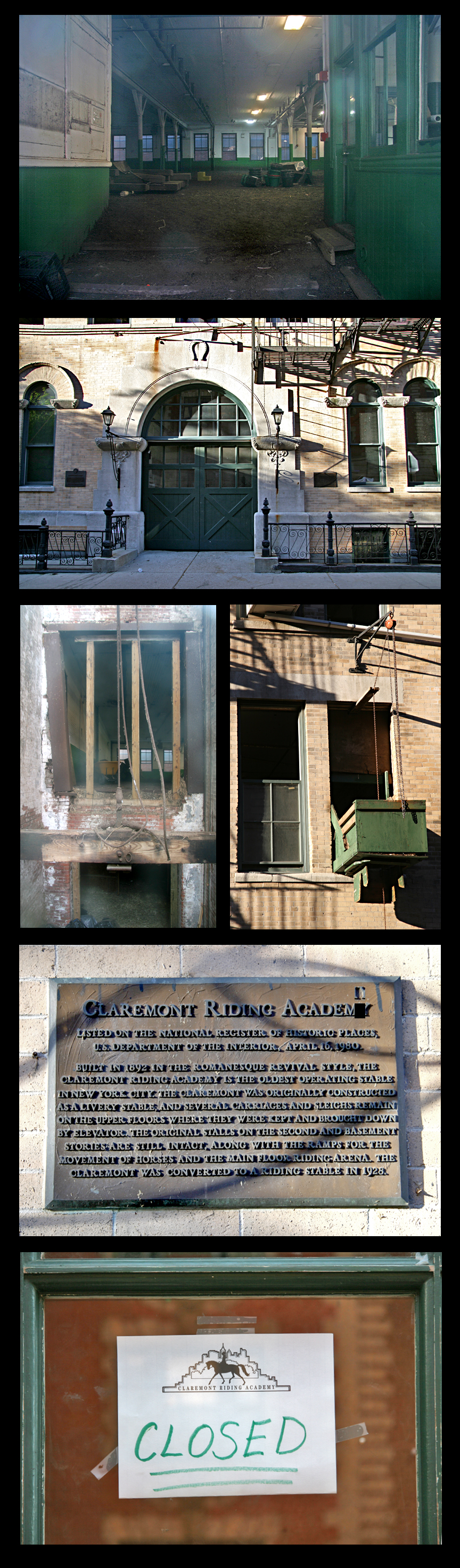
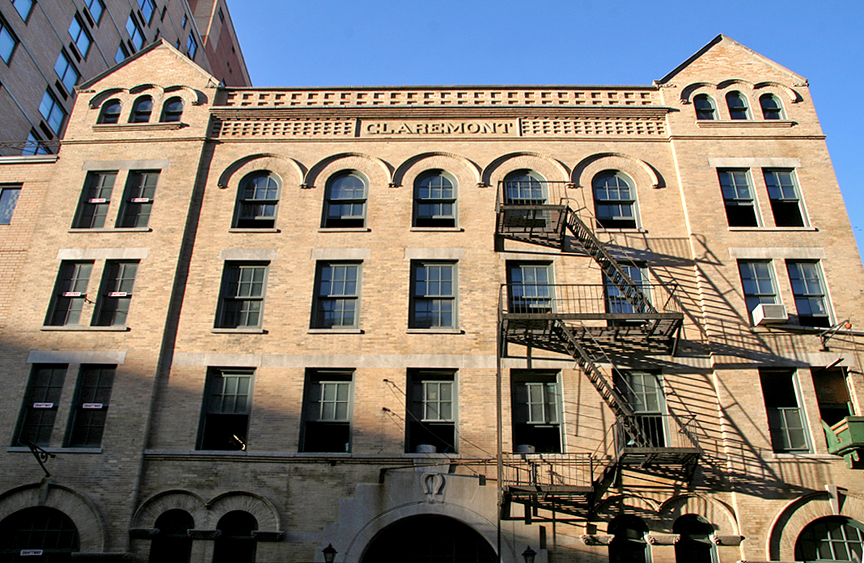
    I wanted to call this the End of an Era, but I don’t want to overuse the phrase. Everywhere you go, look, or read, there’s the last of something or a NYC icon closing – CBGB, Grand Machinery Exchange, etc. Claremont Riding Academy, located at 175 W. 89th Street and less than two blocks from Central Park and its bridle path, was a real riding school and working horse stable, the oldest in NYC and the country. It was amazing to walk down this quiet residential block on the Upper West Side and see an urban barn with hay, horses, a wooden ramp, and a riding ring. Click here for more photos, including a peek inside.

    The five-story Romanesque revival building (on the National Historic Register) was designed by Frank Rooke and built by Edward Bedell in 1892. Bedell had built a number of stables in the neighborhood – Cedarhurst Stable at 147 W. 83rd, and three on this block at 167-171 W. 89th. Ownership passed to Charles Havemeyer, Emil Wellner (who in 1928 changed the name from Claremont Stables to Claremont Riding Academy), Irwin Novagrad in 1943, and finally to his son Paul, who closed the operation on April 30, 2007. Paul Novograd cited a number of reasons for the closing: financial difficulties and declining ridership in part due to increased crowding of the Central Park Bridle path with joggers, cyclists, dogwalkers, etc. Encountering the occasional horses with their riders going to and from Central Park and the stables down city streets was truly an experience. The fate of Claremont is mourned by many, and sadly, horseback riding will no longer be available in Manhattan…
    Posted on by Brian Dubé

  • Waterworld

    Posted on by Brian Dubé

    Manhattan is not known for water sports – until very recently, our waterfronts have been relatively unused for recreational activities. Atypical, given that water frontage is generally such a huge asset in most locales worldwide; surprising, since everything in NYC has been developed and exploited. But the waterways are finally seeing their day. Fishing, boating, sailing, kayaking, and even some swimming (under certain conditions) are now all commonplace. The Hudson River, once seen as a garbage dump, has become cleaner than anytime in the last 100 years; fish and other aquatic life have returned.

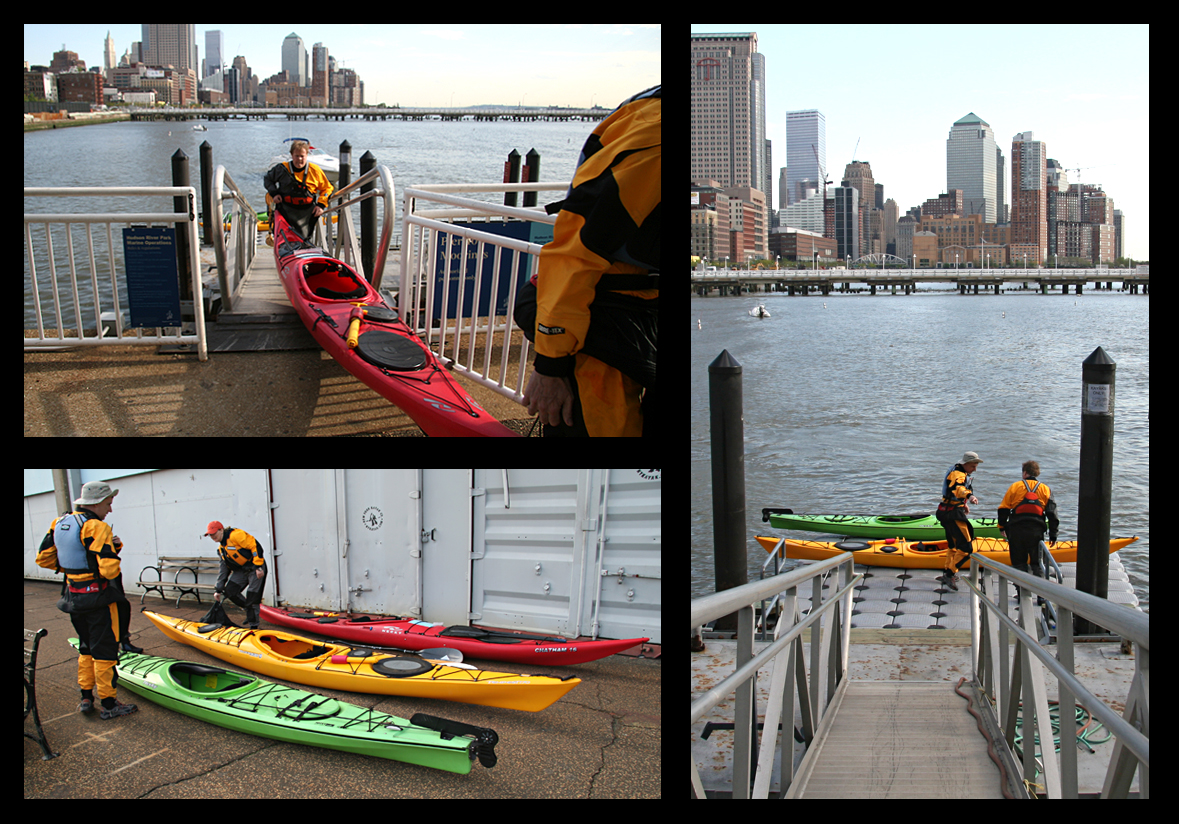
    The photo is of members of the New York Kayak Club, which provides a kayak launch, storage, locker rooms, instruction, guided tours, and a shop. They are situated at Pier 40 at West Houston Street and the West Side Highway. There are a number of kayaking facilities in the city (click here for a list with links).

    Cautionary Note: NYC is one of about 800 cities in the U.S. which uses a combined sewer system – storm water and sewage are combined. When it rains, the system can become overloaded, and the sewage and polluted stormwater are dumped into the waterways. Over 27 billion gallons are discharged untreated annually via combined sewer overflow (CSO) outfall pipes (there are about 450 in NYC harbor). The problems of this antiquated system are being addressed. Until then, beware of NYC waters after a rainstorm…

    Posted on by Brian Dubé

  • Horsing Around

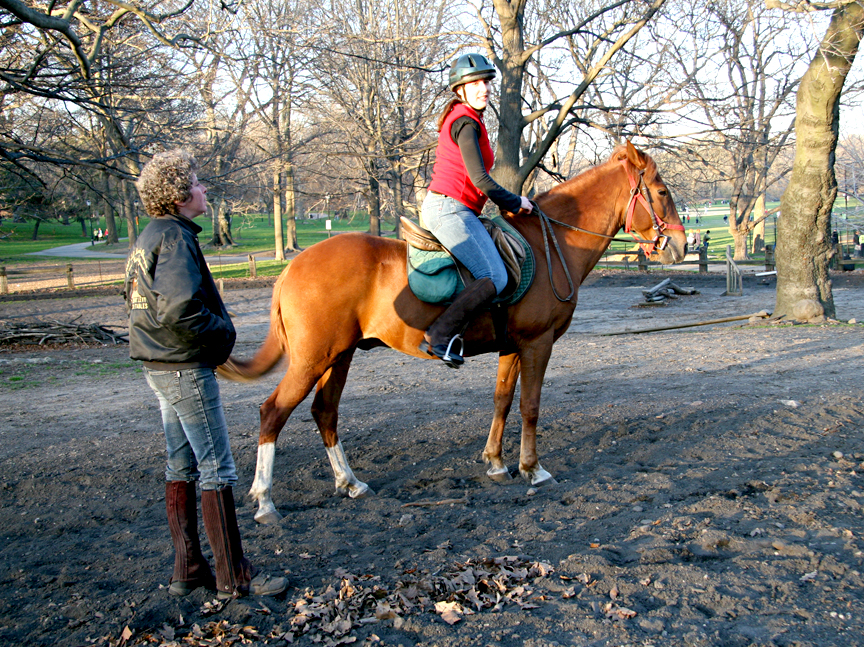
    Many visitors see NYC as a concrete jungle with no respite from a continuous bombardment of stimuli – noise, traffic, and crowding. A nice place to visit, but how could you live here? But that is primarily because visitors generally do not frequent those places (with some exceptions, such as Central Park) or engage in those activities which residents look to for relaxation and recreation. There is a large gamut of activities in NYC which residents partake in that may come as a surprise such as kayaking, tennis, birdwatching, biking, swimming, baseball, volleyball, pétanque, sailing, surfing, sledding, ice skating, gardening, and horseback riding – the photo shows a lesson in a riding ring in Prospect Park, Brooklyn. There are riding trails in every borough, including Manhattan (Central Park).

    One of the biggest surprises is Claremont Riding Academy, the only stable in Manhattan (other than the mounted police). They occupy an entire building in the center of the Upper West Side – a multi-story barn with riding ring. Over 100 horses are stabled there. Seeing horses in the city is always a welcome surprise – horses are large, magnificent animals, and many of us can’t resist the urge to indulge the relatively rare encounter – watching and, if we’re lucky enough, making contact…


  • Juggle This

    Posted on by Brian Dubé

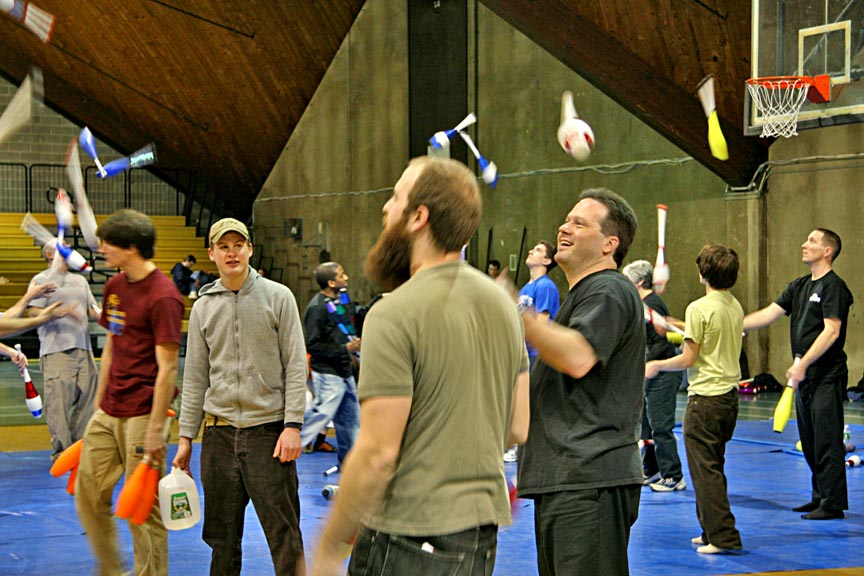
    This weekend is the 6th annual NYC juggling festival, Juggle This, hosted at Pratt Institute in Brooklyn by the local juggling club (Jugglers Anonymous) with support from Manhattan’s own club, the Carmine Street Irregulars (click here for links). Juggling has seen substantial growth in the last 30 years, particularly at the hobby level, with local clubs in high schools and universities nationwide. In addition to an annual national festival, there are numerous regional fests. The Pratt fest activities takes place in their enormous gym, where jugglers of all ages, skill levels, and demographics interact. There is nonstop juggling with workshops, games, vendors, a raffle, and the Show, the highlight of the festival.

    This 2 1/2-hour extravaganza takes place in Pratt’s Memorial Hall theater and features primarily professional acts – many of the performers travel from other parts of the country. Some attendees juggle alone at these events, but most take the opportunity to hone and share their skills with others. In a world where individuals share such a unique passion, social networking has become a big part of the festivals – new friends are made and old bonds renewed. The feel is that of a small, tightly knit family reunion…

    Posted on by Brian Dubé

  • Marshall Chess Club

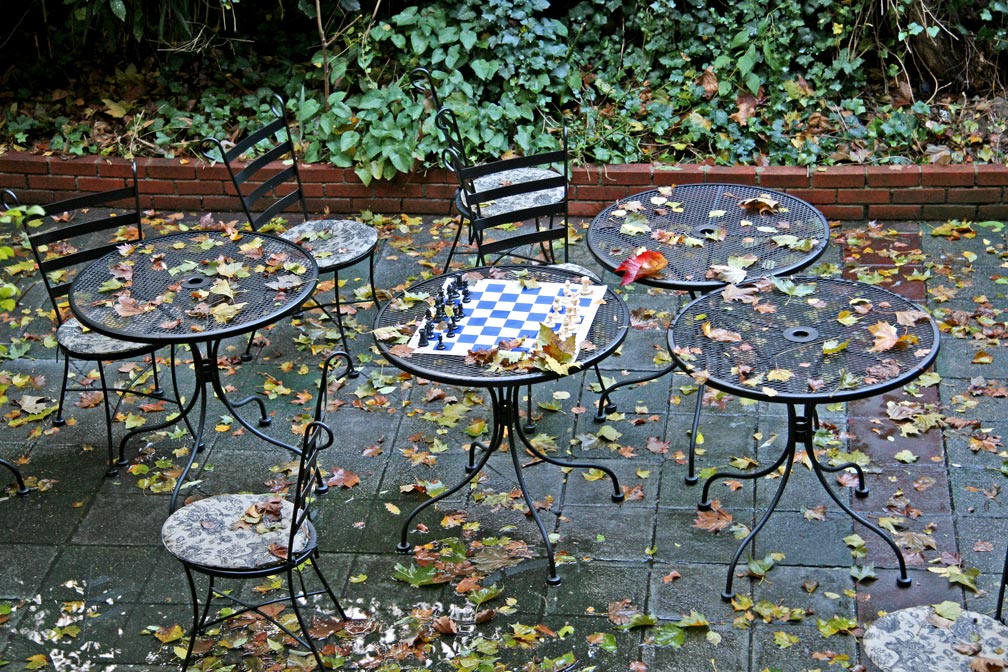
    I’ve always wondered how the Marshall Chess Club has managed to survive the real estate market in NYC. The last private, members-only club in New York, Marshall has its home at 23 W. 10th Street between 5th and 6th Avenues in the Village. This block is one of the nicest in the city – one survey rated it as the most romantic block in Manhattan. Click here for more photos, inside and out.

    The club was incorporated by Frank Marshall in 1922 and has been headquartered at the current location since 1931. Marshall was born in New York in 1877 and was a Grand Master of the game. He held the title of U.S. chess champion for nearly 30 years. The club has seen many great players, including legends such as Bobby Fischer, and is currently home for chess prodigy Hikaru Nakamura, the youngest American player to become a Grand Master. Some see him as Fischer’s heir and our next hope for world champion.
    The club’s secret? They own the building and offset costs with rental income from the apartments above. They occupy the first two floors – the photo is their rear garden…


  • Ice Skating in October

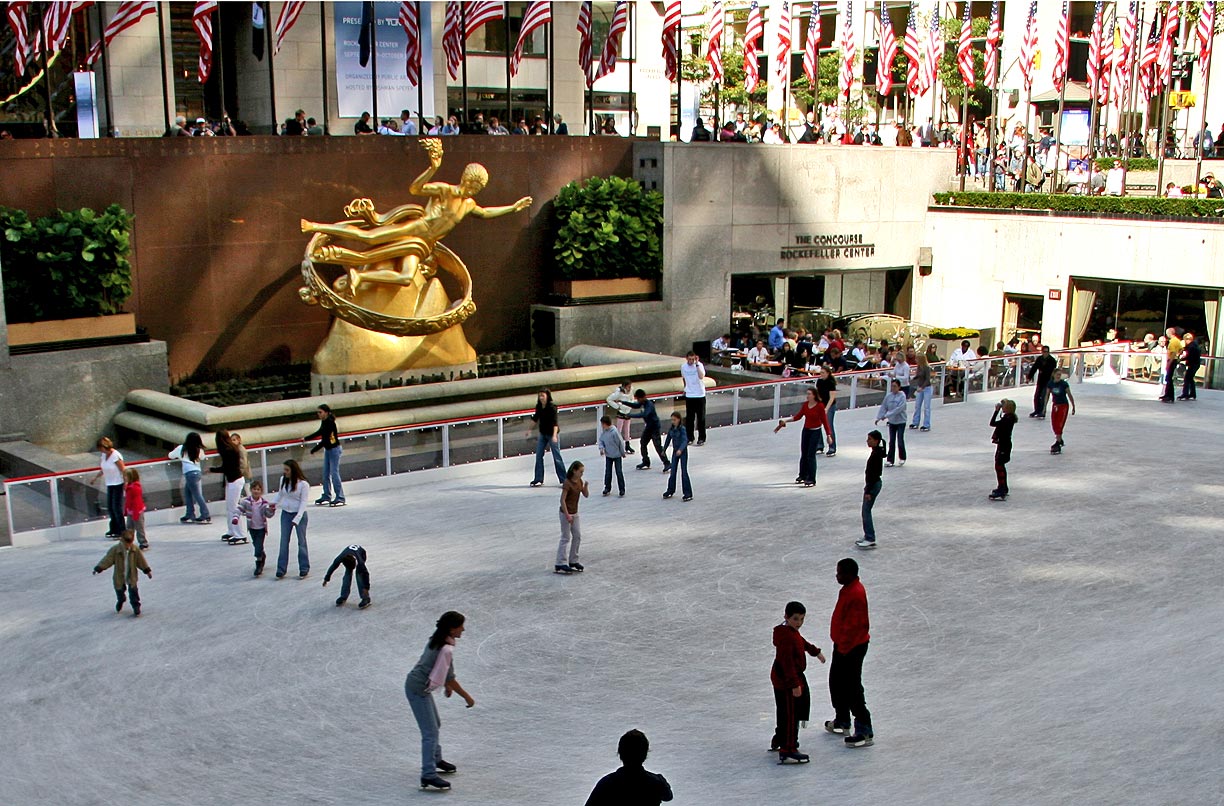
    I was surprised to learn that ice skating outdoors at Rockefeller Plaza opens so early (this year on October 7). The Rock Center Plaza is at one end of the Channel Gardens. Above the skating rink is where a massive Christmas tree is installed each year. In the summer, this area is used for outdoor seating for the Rock Center Cafe. The Sea Grill flanks the other side of the rink.

    Skating in the plaza is a “must do”, I suppose, for many visitors, even though it is overpriced and somewhat crowded – Wollman Rink in Central Park is probably a nicer alternative. But, the way I see it, most experiences are about what you bring to them. So if you desire to skate at Rock Center, don’t be daunted by naysayers, be they residents or not. Go ahead, do it, and tell all your friends how much fun you had. After all, like Central Park, the Empire State Building, Macy’s, the Statue of Liberty, etc. – they’re all classic NYC. Enjoy…


  • Penny Farthing

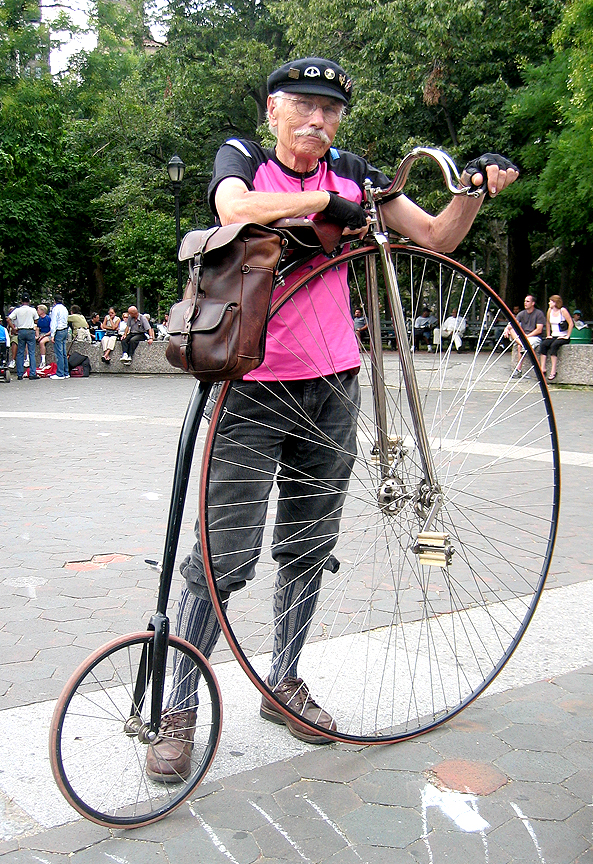
    It’s always a rare pleasure to see one of these beautiful, elegant cycles. Penny Farthing is the British term for this early style of bicycle – the term derives from two coins of the time: the penny (large) and farthing (small). This bicycle has also gone by the names Ordinary and High Wheeler. There was no gearing on these bikes – the pedals were attached directly to the axle, essentially making this like a large unicycle. To get greater speeds, the wheel size was made quite large. This design was quite treacherous – the rider sat high (and over the center hub), and any sudden stops sent him/her flying. Mounting was quite tricky – see Gary Anderson (in the photo) demonstrate mounting and riding in my video:

    These High Wheelers had a short history – the invention of the safety bicycle, with its gear-driven chain drive (and smaller wheels of the same size), made the High Wheeler obsolete in a short time. Riders, builders, and organizations of these enthusiasts (such as The Wheelmen) still live on, but the diamond frame design of the safety bicycle remains the standard today…


  • Fire and Drums

    Posted on by Brian Dubé

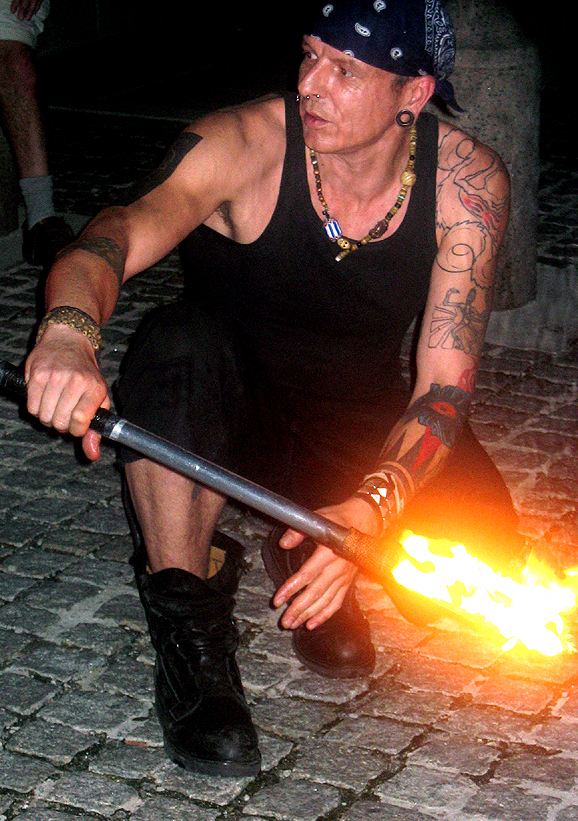
    Fire manipulation has become very popular in the last few years – fire eating/breathing, fire poi, fire meteor, fire staff, fire dance, fire fans, fire torch swinging, and fire juggling. In the photo, we have Lars (from Germany), well-furnished with body art, preparing to do fire staff. The highlight of this post is the short video, which shows his fire staff and fire eating skills while accompanied by Zafar, an urban drumming street band from Durham/Chapel Hill, North Carolina. An audience quickly assembled and responded enthusiastically. People are fascinated with fire and danger…

    Posted on by Brian Dubé

  • The Nature of Games

    Posted on by Brian Dubé

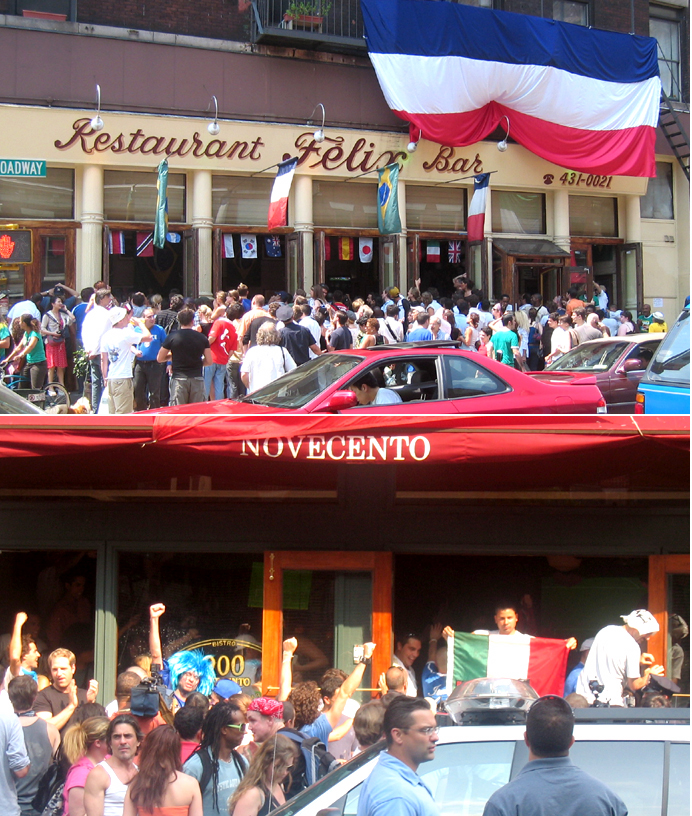
    Neither Lucy nor I follow sports, but we became impressed with Zidane after viewing a great montage of him on YouTube.com. The next thing you know, we were drawn in. Rather than watch it on television at home, we found the perfect place in NYC to join the frenzy – in SoHo, there are two bar/restaurants across the street from each other: one French (Felix) and one Italian (Novecento), with a second Italian restaurant (La Streghe) on the corner. They had multiple large screen televisions playing the game and plenty of patrons spilling out onto the sidewalk.

    The scene, of course, was very impassioned – jeering across the street by one fan group to the other, chanting, singing national anthems, etc. On the way home, we reminded ourselves that both teams were extremely good and that although very sad for the French, disappointment is one of many aspects of the Nature of Games…

    Posted on by Brian Dubé

  • Kerbs Boathouse

    Posted on by Brian Dubé

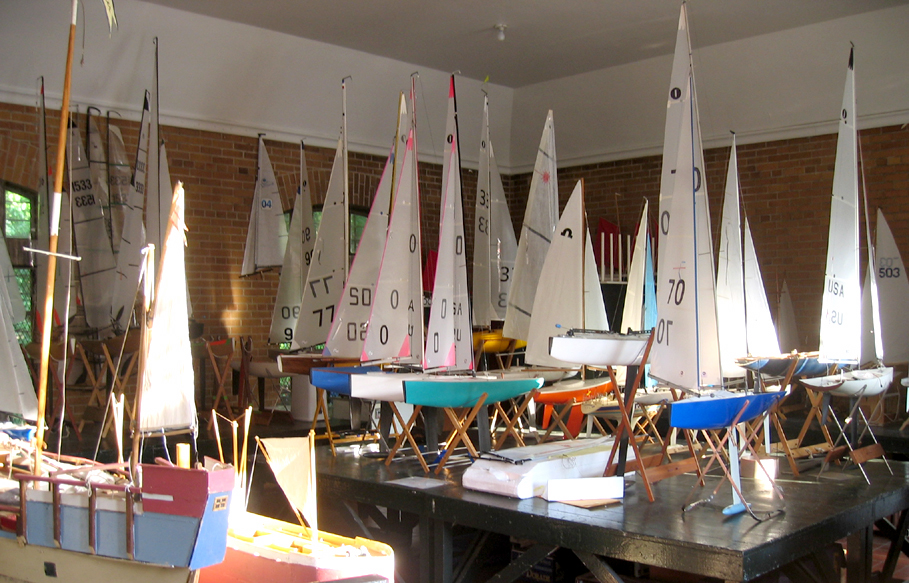
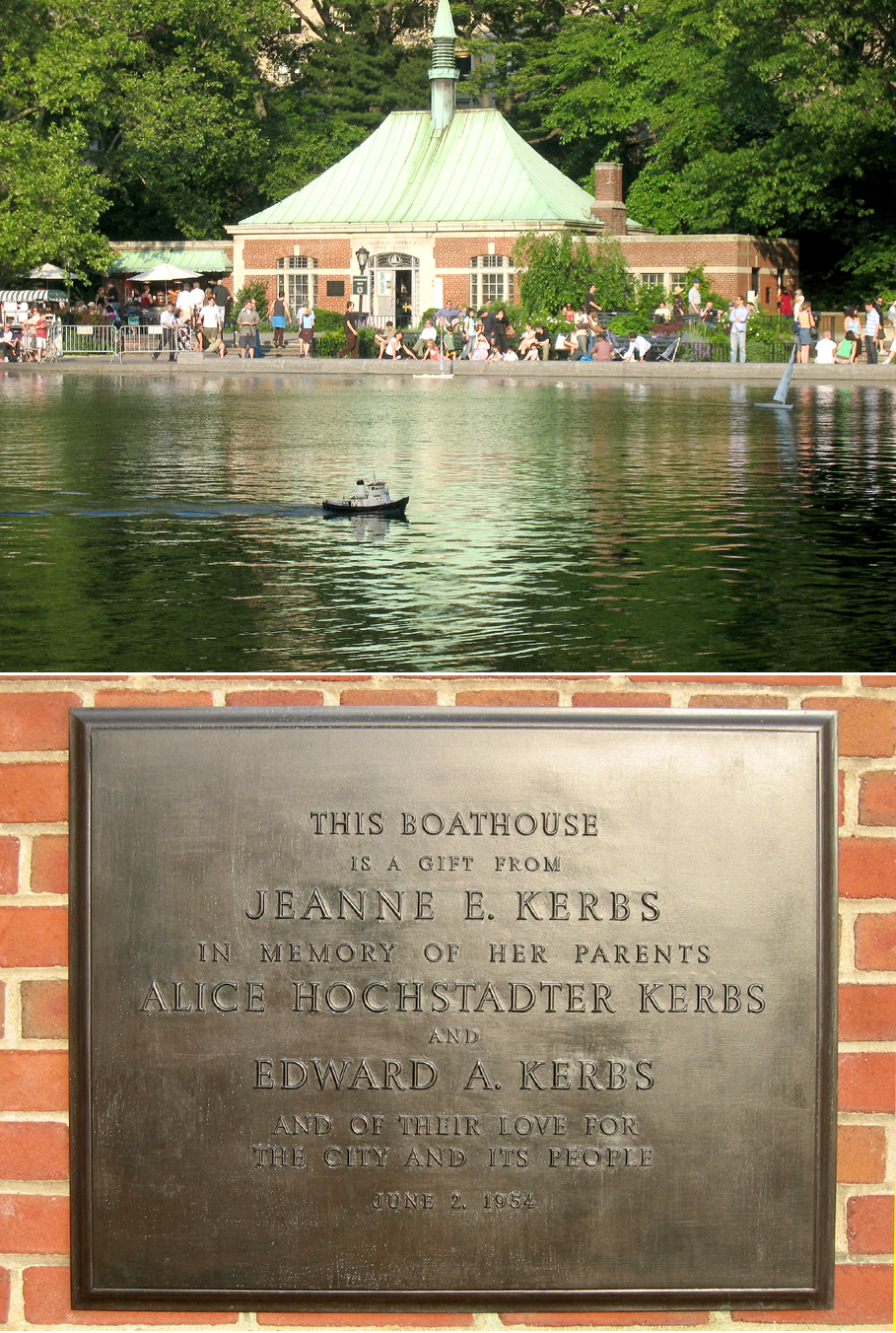
    Here is a view of the interior of Kerbs Boathouse, which is beside the model boat pond in yesterday’s posting. Members of the Central Park Model Yacht Club keep their boats there, and there are also radio-controlled model boats available for rental to the public.

    This pastime has been going very strong in the park since 1914, and it changed when radio-controlled boats came in for general use in the late sixties. Most of the time, children are dominant in this particular area of the park (particularly at the nearby Alice in Wonderland and the Hans Christian Anderson statues), but the serious adult racers convene at 10AM on Saturdays. The model boats silently race across the pond with their owners concentrating on navigation, while birdwatchers are nearby scouting out the many varieties that seem to congregate in this area. It is a peaceful, quiet, idyllic part of Central Park, even on the really crowded and busy weekends. More photos…

    Posted on by Brian Dubé

  • Petanque

    Posted on by Brian Dubé

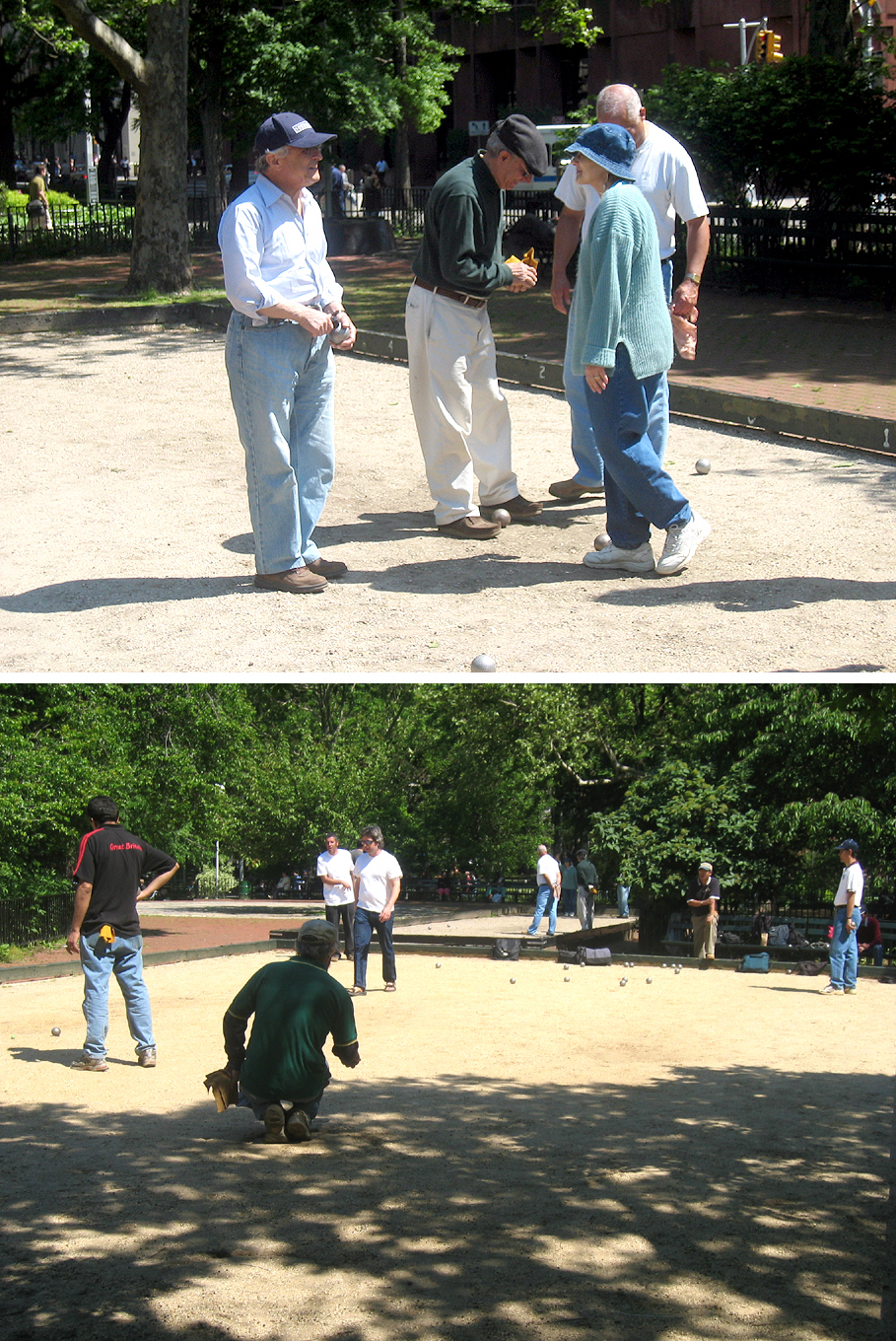
    I love watching petanque in the shade on a warm sunny day. It’s so relaxing, and I feel transported to Provence, where the game originated. These courts in Washington Square Park are quite busy in nice weather and are home to La Boule New Yorkaise, a local club which also plays in Bryant Park and Central Park. What’s interesting is that although they are centrally located in a such a small and heavily used park, it is easy to overlook them, and most people are probably not aware of their existence. I know nothing of the game, but in observing, I have noted a lot of French being spoken, so I would imagine that this is quite serieux

    Posted on by Brian Dubé


  • dinamic_sidebar 4 none

©2026 New York Daily Photo Entries (RSS) and Comments (RSS)  Raindrops Theme