• Category Archives Homes and ‘Hoods
  • Wild Ride

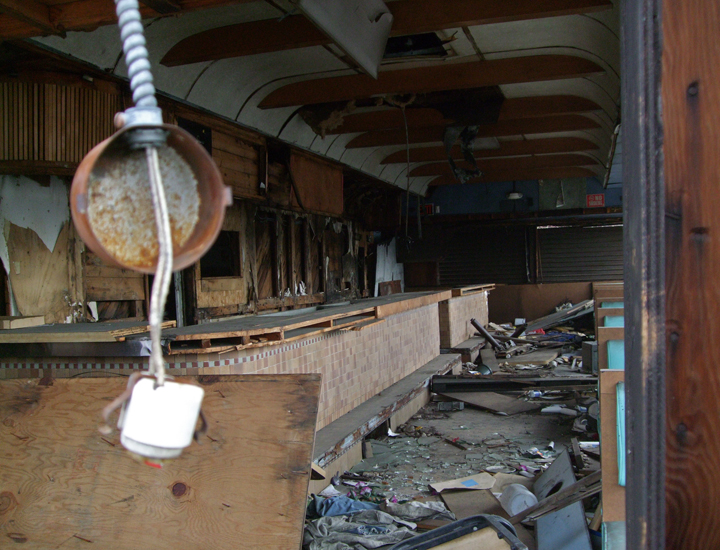
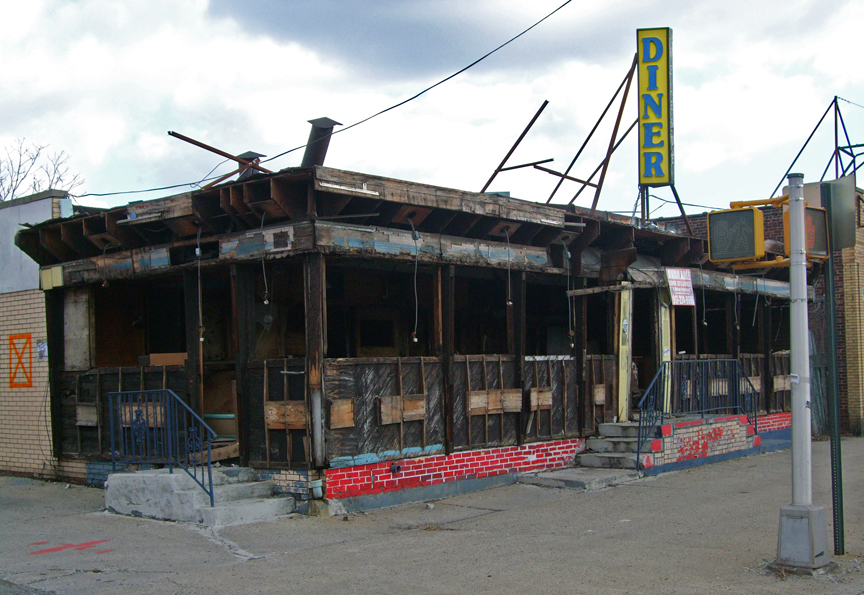
    On my recent excursion to Hunt’s Point in the Bronx, I saw many incredible sights, and this diner was one of them. My friend’s immediate comment was that this must be an insurance wreck – i.e. arson for insurance money. In the 1970s, areas such as the South Bronx saw a wave of arson. I have no idea if this was the case with this diner; I was just dumbfounded to see something like this completely open to the public. Nothing was cordoned off. I was able to walk freely through the rubble amidst broken shards of glass and metal framework while avoiding electrical conduit hanging from the ceiling. See here for a photo of the inside.

    Hunt’s Point is not typical of the Bronx, and I will do that borough justice in time. But it has had its disproportionate share of urban blight and is one of the poorest areas in the United States. Areas such as the South Bronx have been virtually synonymous with urban decay. Like most areas in the city that have seen decline, the South Bronx has more recently experienced revival and renewal.

    There is a wide variation of urban environments and neighborhoods in the Bronx, some quite affluent, like Riverdale, and others with strong cultural and ethnic roots, like the Italian district at Arthur Avenue. The borough has a large amount of parkland – Van Cortlandt Park, Woodlawn Cemetery, the Bronx Zoo, Pelham Bay Park, Crotona Park, Claremont Park, and the New York Botanical Gardens. With the exception of the zoo and botanical gardens, the Bronx is not a destination, so most residents or visitors to New York City will never see much or any of the borough.

    I expect that most readers of this website will not make a pilgrimage to Hunt’s Point or other neighborhoods like it. For a wild ride through the five boroughs, jump on this train…
  • Small Achievements

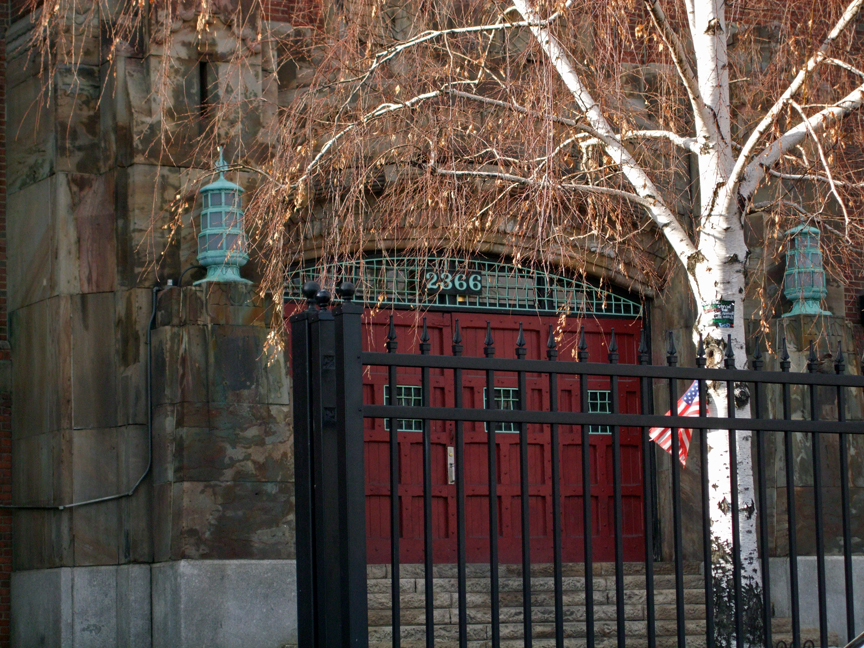
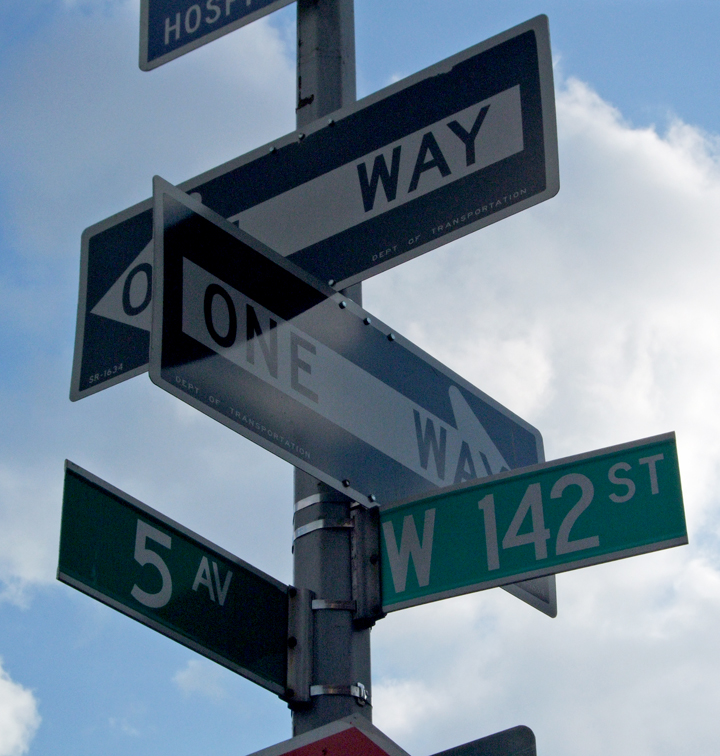
    Perhaps I have spent a little too much time confirming that 2366 is the last street address on Fifth Avenue and that this sign is the last intersection with Fifth Avenue signage. But it is something that I really wanted to know, so on my recent excursion to the Bronx, we circumnavigated this area.
    I examined street signs and subsequently did online address lookups and map analyses. I am reasonably sure that 2366 Fifth Avenue is the end of the line. Apparently, this factoid is of little interest. I found nothing written anywhere – no articles at all regarding the fact that 2366 is the last numbered address.

    Fifth Avenue is arguably the most important street in Manhattan. It runs north-south in the center of Manhattan. It originates at Washington Square Park, with the first numbered address at 1 Fifth Avenue. The avenue runs to 142nd Street (#2366) and the Harlem River Drive. Where Fifth Avenue intersects crosstown streets, they are designated East or West at Fifth Avenue, which serves as the zero point in crosstown street address numbering – numbers get larger as you move east or west of Fifth, at 100 per block (with some exceptions and large block divisions such as Madison and Lexington Avenues). In its long trajectory, Fifth runs through a variety of neighborhoods: the Village, midtown with its iconic flagship retailers, the gold coast along Central Park, and finally, Harlem.

    For most of my adult life, I have lived near the beginning of Fifth Avenue, so its end was always a distant small mystery, perhaps more accurately a small curiosity. A mirage just out of view. Not compelling enough to really pursue. But these little things can nag and, in time, reach a critical mass where it is better to get closure and put it to rest.

    The Fifth Avenue “mystery” reminds me of Sudoku. One reason for the popularity of the game is the appeal of a puzzle, just challenging enough, that is a discrete task with exactly one clear solution. Completion gives a person the satisfaction of a perfect, small achievement. Let’s toast to small achievements 🙂

    Note: What’s at 2366 Fifth Avenue? The 369th Regiment Armory, NY National Guard, built in 1923 and designed by Van Wart & Wein. See photo here.


  • Arthur Avenue

    I will admit that I have been very remiss in my treatment of the Bronx. In nearly 3 years doing this website, I have never done one posting on the Bronx. However, the Bronx really has much less interest to the outsider than Queens, Brooklyn, or Manhattan. But it is one of the five boroughs of New York City, and it has things which are worthy of a visit.

    If you read this blog regularly, you know I have a close friend from my college days who grew up in Brooklyn and relocated out west. I look forward to his periodic visits – he is always game for nearly any adventure and is knowledgeable about virtually every corner of the city.
    With no agenda, I proposed the Bronx Zoo. However, it was before lunch, and food was our prime consideration. Both confident that we could forage our way to a meal, we headed to the Bronx as tourists on a frigid, windy, winter day in his rented car.

    As we navigated the maze of highways, signs for the Bronx Terminal market at Hunts Point appeared, and I mentioned that this was on my hit list for New York Daily Photo. Undaunted by the suggestion, he immediately obliged.
    So, off we went to explore an area that no one visits for recreational purposes. This area has all the charm of the commercial freight area at an international airport, and there is no reason on earth why anyone (without specific business there) would want to visit on a day off. Which is exactly why we chose to go there. I will feature a number of our discoveries next week.

    However, something was nagging me the entire trip. I had read and been told about one particular area of interest in the Bronx, but I could not recall what or where it was. Food was now more of a priority, and my friend said that there was an Italian area in the Bronx. Uninterested in combing an entire borough, I suggested that we ask two police officers in their vehicle. Embarrassed (after explaining that I was a seasoned New Yorker, only lacking in my city knowledge of the Bronx), I asked for areas of general interest, and voila – they were very accommodating and immediately volunteered Arthur Avenue, which I immediately recognized as the area I had been told about and which turned out to also be the Little Italy district my friend was looking for. Comforted knowing that both our exploration needs had been met, we were off to Arthur Avenue for lunch.

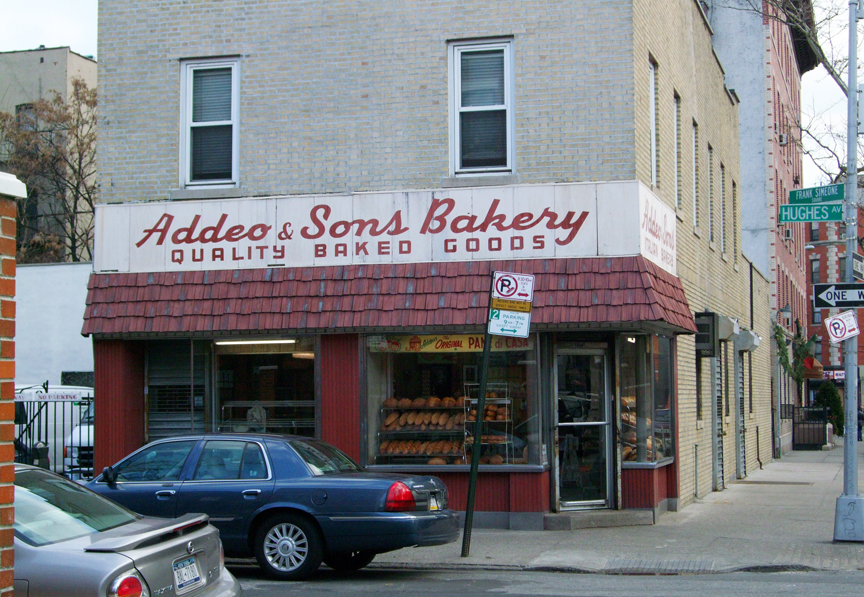
    Arthur Avenue is a district centered around Arthur Avenue and 187th Streets (read more about it here). We were quite pleased with our initial impressions – the area looked very authentic, particularly on a winter weekday where the only inhabitants appeared to be locals. We parked in front of Addeo & Sons Bakery on Hughes Street, which runs parallel to Arthur Avenue itself. My friend purchased some cookies while I asked a customer if he recommended Umberto’s Clam house, which we had just driven by, prominently located at Arthur and 186th Street. Instead, he steered us to Tra Di Noi, located at 622 East 187th Street. Our fellow diners appeared to be Italian, and the menu was in Italian with no English translations – a good sign. Lunch was great. I hope to visit again when the weather is more inviting to explore the Arthur Avenue Market…

    Previous posts of Adventures with a Mad Man: New York Moment, Partial Remission, Hot Dogs and Fries, The Unexpected, It Behooves One


  • Behind Door Number One

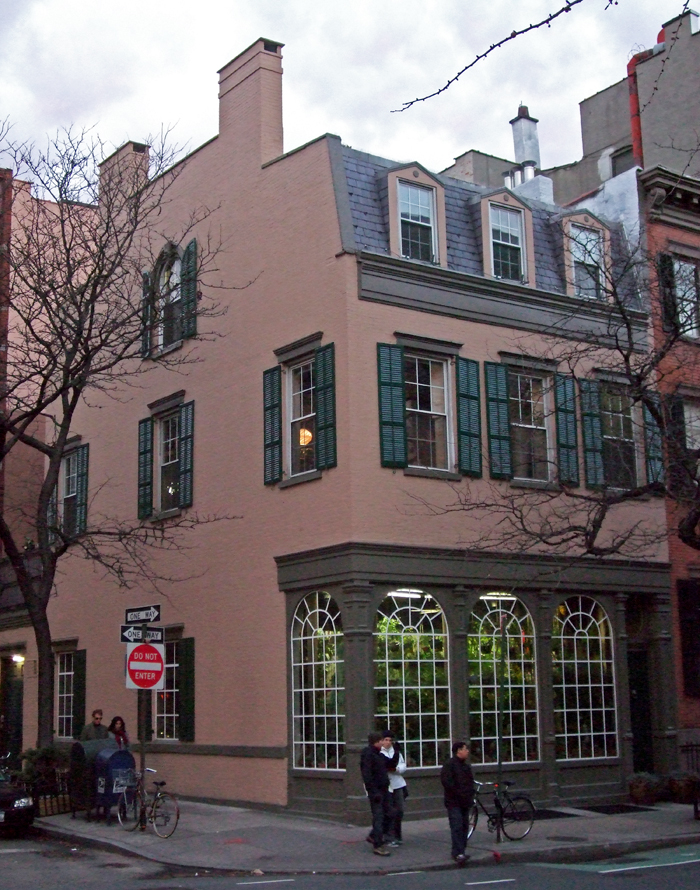
    There is a bigger story here, but I don’t have it. For years I have observed this extraordinary ground floor space. The exposure on Prince Street has huge windows and is completely filled with plants from floor to ceiling – it is a virtual botanic garden with foliage so thick and deep that you can’t see what lies behind it.

    There are a number of other peculiar things about this. Situated on a corner of Prince and MacDougal Streets, one would expect the ground floor space to be rented to a business – ground floors on busy streets or intersections almost always are rented, as they are relatively unlivable with such little privacy. The revenue from renting space like this is quite substantial, hence offsetting building expenses (assuming zoning permits it).

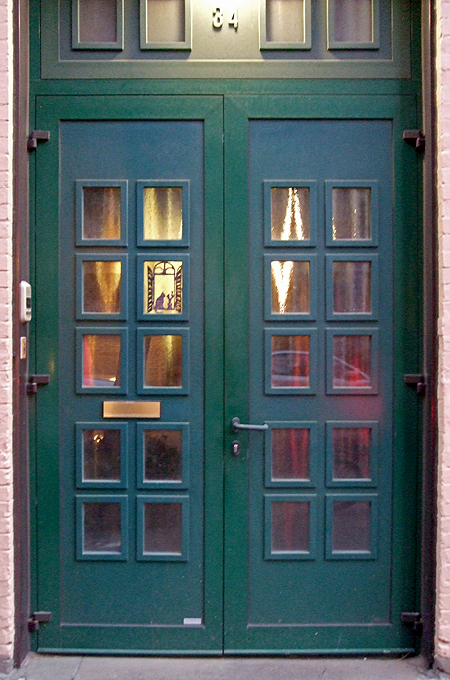
    The building itself is an immaculate, historic property with a mansard style roof line, dormers, chimneys, and dark green shutters. A bit of espionage led to the following interesting pieces of information. The corner property appears to have two entrances and street addresses – 34 MacDougal Street and 205 Prince Street. Katina Productions is listed at the MacDougal address. A small icon of a cat on the MacDougal entrance matches that on their website (see photo here). A visit to their website has a bio of Belgian filmmaker Simon Nuchtern, who owns Katina, a company involved in digital editing. Further investigation shows 205 Prince Street to be the residence of Anna and Simon Nuchtern, and property searches shows Anna Nuchtern to be owner of 205 Prince Street. I was told by a neighboring business that the building was owned by an “artist couple.” That’s quite a property for a couple to own and occupy, if they are the only tenants.

    So there you have it. But I still do not know why all those plants are there and what’s behind door number one…

    Postings of Other Mysterious Places: Enigma, Secret Society, Crime SceneBrutal, Pied-a-Aire


  • Guilty Pleasures

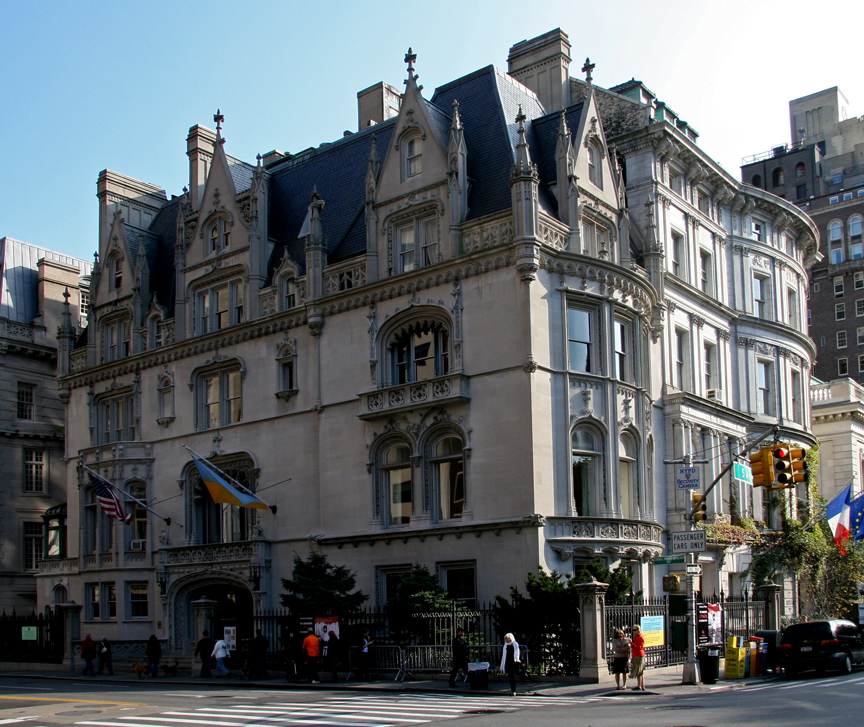
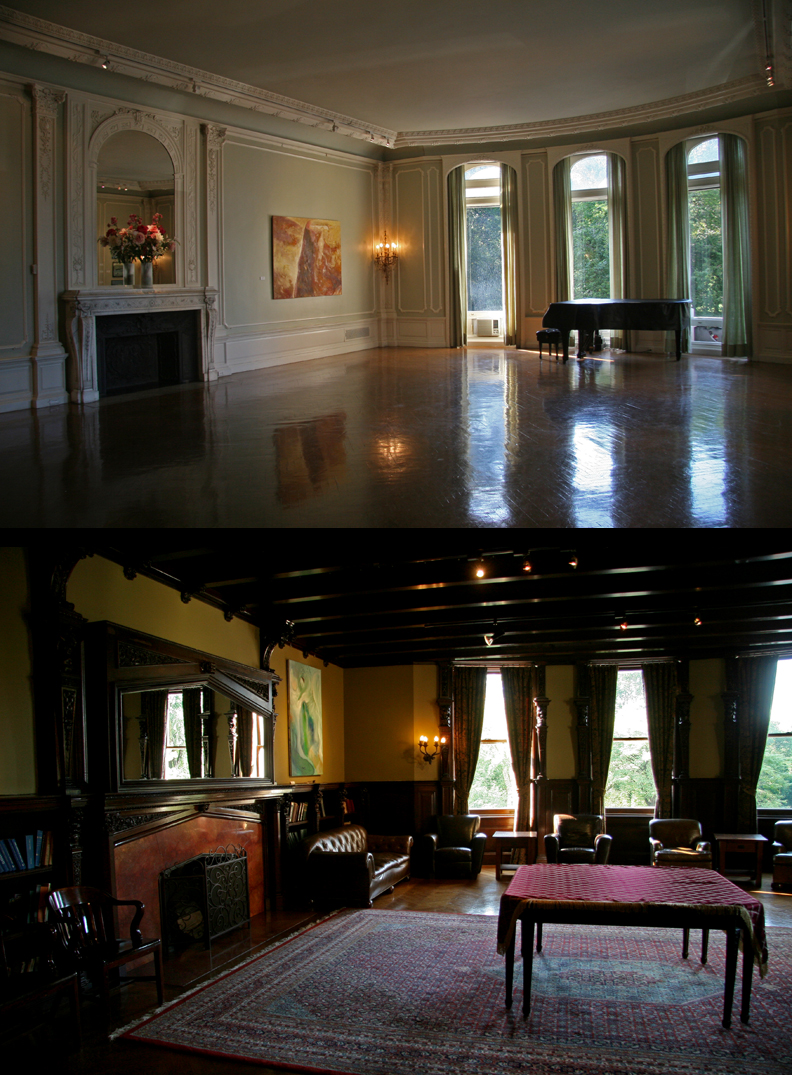
    This past weekend was the 6th annual Open House New York. I have been very enthusiastic about this event and have attended the past three years. This year, I decided to take a journey to the Ukrainian Institute, owing to its description as an “ornate, French Renaissance-style mansion, once owned by oil tycoon Harry F. Sinclair…” After all, who doesn’t like to visit a mansion? See photos of the interior here.

    The French Gothic house, known as the Fletcher-Sinclair mansion, was built in 1898 by Isaac D. Fletcher and designed by architect C. P. H. Gilbert. Read about it here in an article by Christopher Gray of the New York Times.

    At one time, there were a myriad of mansions in Manhattan. Those who find displays of opulence disturbing because they may have been built on the backs of others will perhaps find comfort that most of these were abandoned as private residences. I must confess that, for me, mansions are guilty pleasures.

    According to the aforementioned article by Christopher Gray:

    “‘Death and Taxes’ in Fortune magazine of July 1939 remarked that the Fifth Avenue mansions had become ”symbols not of power but of decay” — of the 72 private houses then left on Fifth Avenue, 33 were closed. The article reported that even a moderate-sized house required 10 servants at a yearly payroll of $14,000, with $4,000 alone in food for the staff. The bare minimum for keeping a house open was $30,000 a year.”

    These mansions have been converted to other uses, such as embassies, museums, institutions, and high-profile retailers. Whether one sees these uses as more socially acceptable is one issue; certainly it is nice that most of these can now be used and enjoyed by the populace.

    The Ukrainian Institute of America took over this property in 1955. Their function is to develop, sponsor, and promote through activities a greater awareness, understanding, knowledge, and appreciation in the United States of the art, literature, music, culture, history, and traditions of Ukraine.
    Their current usage of the mansion allows me to better enjoy a guilty pleasure 🙂

    Related Postings from previous Open House New York weekends: Masonic LodgeSecret Rooftop GardenTerrapin Chelsea Art Gallery, Stairwell, Cold Stone


  • Main Street

    I don’t go to cafes often. In over two and a half years of writing for this blog, I have never done a real cafe. The reason? Because there are virtually no “real cafes.” And it is not so much that all the good ones have gone out of business – there were really very few good ones in the many years in which I have lived in New York City. The Figaro Cafe, for example, (recently closed) was never all that great – it certainly was not intimate, charming, or romantic. I would imagine that it was an interesting haunt when it opened over 50 years ago. Most places have been quickly over run by a stampede of tourists. So a person always had to either know of places or hunt and forage.

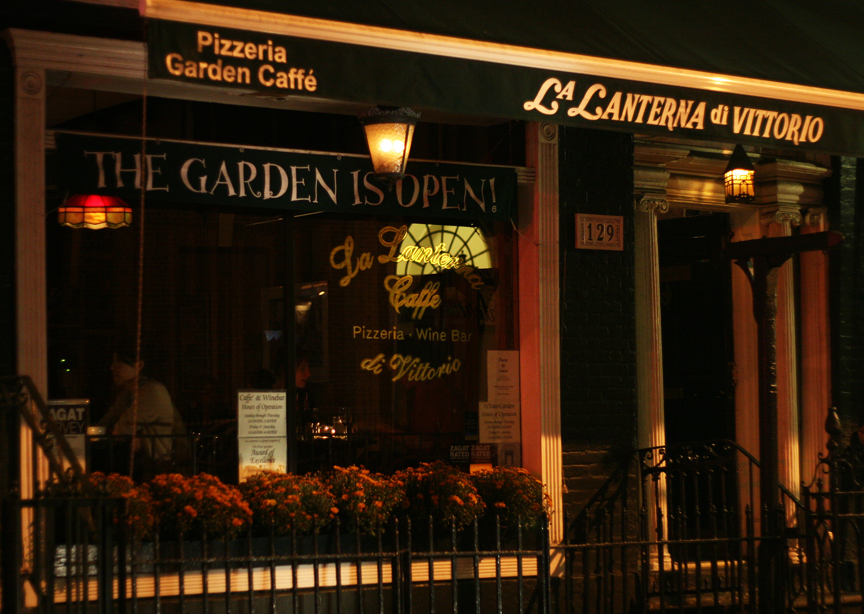
    For me, ambiance is a necessary condition for a cafe, and La Lanterna is one of the most atmospheric cafes I have been in. Two floors each with a fireplace, dark woods, low lighting, and a beautiful year-round garden. Reviews characterize it as frequented by students from neighboring NYU. I cannot attest to this, however, Lanterna is not a real inexpensive place, and the cafe is extremely well-maintained. La Lanterna does not attract a boisterous crowd, and any student traffic is well behaved. Contrast to a place like Think Coffee, for example, which is essentially under assault by students.

    La Lanterna di Vittorio at 129 MacDougal Street was opened in 1976. It offers an excellent selection of pastries, gelato, the requisite coffees, and a wine list. The menu also has a pretty extensive selection of food, enough for a light meal – pizzas, bruschetta, salads, soups, panini, crostini, calzone, carpacci, fish, and cheese. See their website and menu here.

    My only disappointment is that I can not tell you that it dates to the 1800s with a history like that of Les Deux Magots in Paris, or that it is on a wonderful romantic sidestreet like Commerce Street (don’t be put off by the name) or Grove Street. It is certainly not in a secret, off-the-beaten-path location. Ironically, it is located on MacDougal street, a block north of MacDougal’s primary commercial block between West 3rd and Bleecker Streets (if you venture on that block, be prepared for to enter one of the most conspicuously unattractive and touristy streets in the Village.) Perhaps this is one reason that it is often overlooked.

    It’s fine to look in the nooks and crannies, corners, and crevices of New York City for the undiscovered gems – I love that. Just don’t miss Main Street…


  • Safety in Numbers

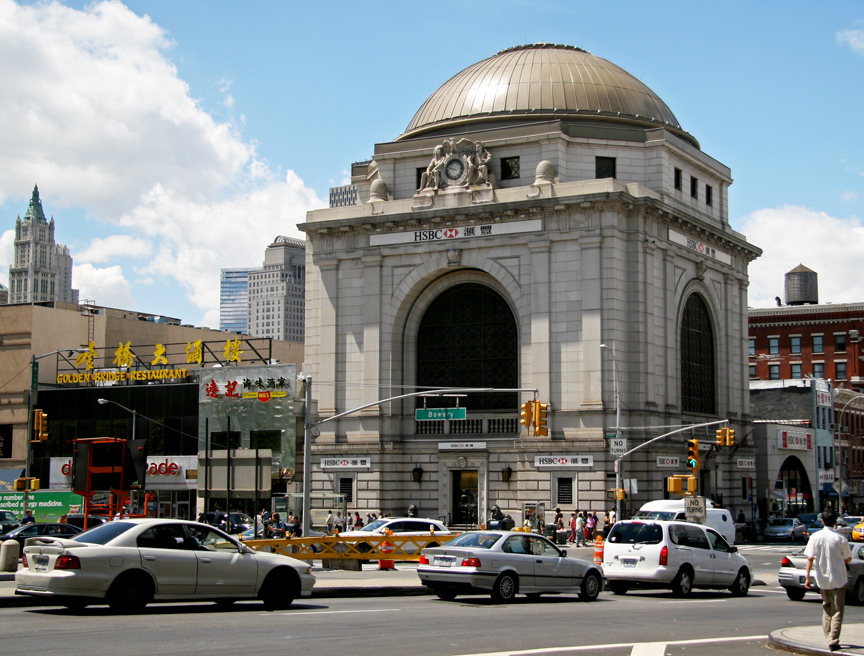
    There are 21,000 safe deposit boxes in this bank. Why so many? It’s in the heart of Chinatown, and the Chinese are savers – savers of cash. This bank, like others in the neighborhood (Commerce Bank, Bowery Savings, e.g.) all have had to accommodate the Chinese community’s tradition and customs, where boxes are used for storage of cash and other valuables. There is a large cash economy in Chinatown.

    The use of safe deposit boxes is an accommodation that requires space and building considerations. When the Chinatown branch of Commerce Bank was built (it opened in 2005), an entire floor was added for safe deposit boxes – 7,500, as opposed to 500, which would be typical in a Commerce Bank elsewhere. And the HSBC Bank at 11 East Broadway has 12,000 boxes.

    This landmark neo-Byzantine building at 58 Bowery was built in 1924 and designed by architect Clarence W. Brazer. Graced with an enormous bronze dome, this building is still very easily missed amid the hubbub that is Chinatown. And architecture does not particularly shine in this neighborhood and is typically the last thing an individual looks for when here. The best viewing is from some distance – see it from a vantage point across the Bowery towards the Manhattan Bridge.

    Many Chinese who bank in Chinatown no longer live there but continue to bank and use safe deposit boxes in the neighborhood. Familiarity, frequent visits for shopping, visiting relatives. Amid a banking crisis, old traditions of cash in mattresses and boxes are starting to look like a smart idea. Maybe there is safety in numbers…


  • Secrets of Ozone

    Would you like to have a sobering experience? A change, perhaps, from the sights and stimulus of Manhattan? Would you like to see a place that’s not an attraction or a “secret” because there is nothing particularly attractive about it or a reason to keep it a secret? A reality check?

    I suggest you pick a hot summer August Sunday, when most New Yorkers with the means have made a mass exodus from the city. Take a long ride on the A train to a working-class neighborhood whose very name is in itself baffling: Ozone Park, which, ironically, does not even have a major park.
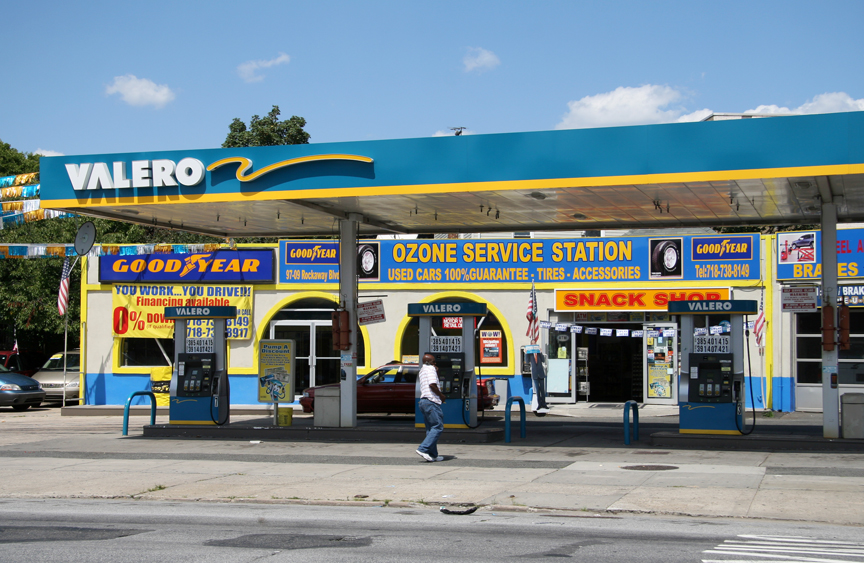
    When I got off the train at Rockaway Blvd in Queens, I found graffiti to be the art du jour and unkempt weeds to be the alternative to topiary. And apparently the aspiration of many men was to win the exacta at the neighborhood OTB (NYC’s chain of racetrack betting parlors). See my set of photos from the adventure here.

    This is a place where carrying a pro camera raises eyebrows; people are understandably suspect to see someone taking photos of nondescript houses or unassuming commercial buildings. Coincidentally, as I was having this exact thought, I was queried by a merchant sitting outside his shop in a lawn chair as to why I was taking a photo of a gas station. It took quite a bit of of persuasive conversation to convince him of the sense of my mission and activity. That the reason I was doing it was because there was no good reason to do it and specifically because the whole situation was so remarkably unprepossessing.

    I hope not to offend any Ozone Park residents, as I am sure that there are good things to be found there, and admittedly the areas around train stations and major thoroughfares (where I was) are typically not very attractive.

    Perhaps I see the world too much as an architect might – a place defined by its structures and things rather than by its people, relationships, and community. In New York, as everywhere else, people and communities are what make the world go round. Perhaps that’s the secret…

    *Actually, Ozone Park does have a few claims to fame. It is the former home of the infamous John Gotti and his associates in the Gambino crime family. The Mafia boss died in prison in 2002.


  • Overused and Abused

    Posted on by Brian Dubé

    There are words that are overused and abused, and two of them are genius and luxury. I remember a radio program where a disk jockey was on a rant about the overuse of the word genius. He saw it applied to musicians who were just very good but were certainly not in the league of true geniuses. Beethoven, Mozart, and Bach could keep as many as 7 melodies in their minds at one time. They could compose complex music in their heads without having to hear it and then just write the completed score. Now that’s genius.

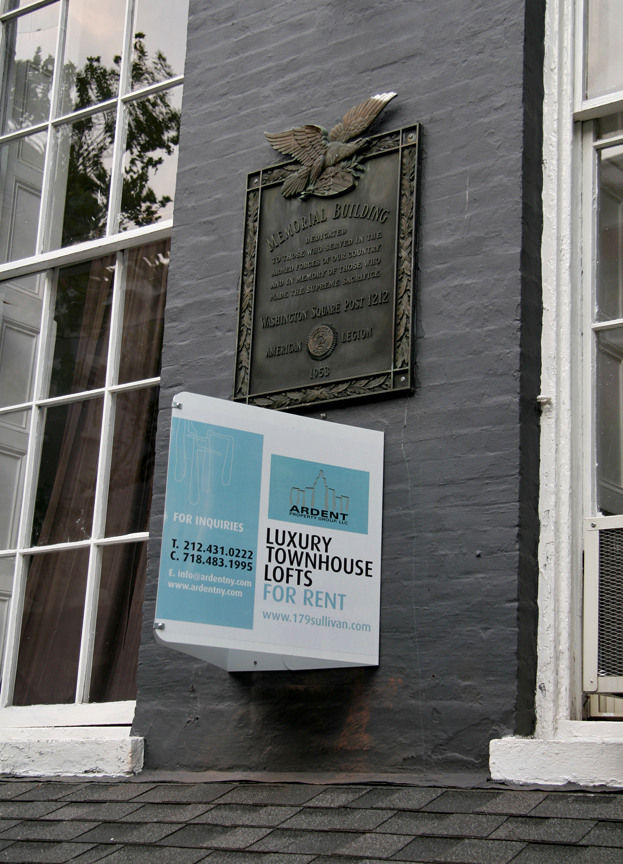
    Luxury should have elements of the sublime, uniqueness, and rarity, not just offer the basics and use a comparison to the unacceptable to define it. Some may define luxury apartment in New York City in relative terms.

    From this perspective, luxury in New York can mean space, quiet, or the absence of squalor. Many now consider living in the city itself a luxury. Although there are many good points here, I don’t think the integrity of the word luxury is best kept by defining it using the standards of the homeless, destitute, or uninhabitable housing (see The Dark Ages here).

    When I first moved to the city, I saw the phrases luxury apartments and modern used in connection with any place that essentially was not a tenement. If the tub was not in the kitchen, the toilet was not in the public hallway, or the place was not roach infested, then we had luxury. Luxury here is what most people outside the city would consider the minimum acceptable standards for decent.

    I am sure that the apartments in the building in the photo are decent, but I would be surprised if they are truly luxurious. And townhouse lofts – here, I think we misuse and abuse another word, but that’s another story…

    Related Posting: Unguent

    Posted on by Brian Dubé

  • Le Figaro Cafe

    Posted on by Brian Dubé

    I remember reading a long time ago in a book that “what draws and keeps so many in California is not so much what the state has as what it suggests.” When I quoted this to a friend at the time who was a recent transplant from New York to the West Coast, he bristled. There certainly are wonderful things about this remarkable state, but I still think that quote still makes a valid point.

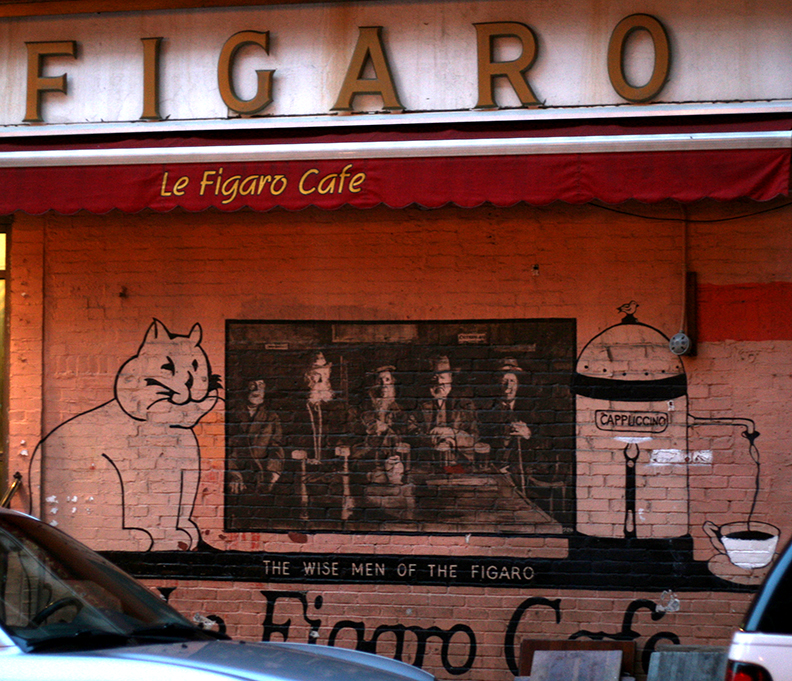
    In the same way, I think this has been the case with Le Figaro Cafe for many years, if not decades. The location and place itself has been a mecca more for what the Village represented than what it has been in recent years. And Le Figaro Cafe was certainly not a window into the history of this neighborhood, steeped in bohemian history – once a hangout for Bob Dylan and Beatniks.

    Recently, Le Figaro Cafe, at 186 Bleecker Street, closed shop after over 50 years in business. It was a bittersweet announcement, but for most, I think their recent Figaro Cafe experience was more bitter than sweet. Many complained of bad service and mediocre food. The place had basically been a tourist draw for eons. This is not surprising, being located at Bleecker and MacDougal Streets.

    The saddest thing about a place like this closing is that we lose a piece of history. And the replacement will most likely be a place that is part of our new, temporal world…

    Posted on by Brian Dubé

  • Unguent

    Posted on by Brian Dubé

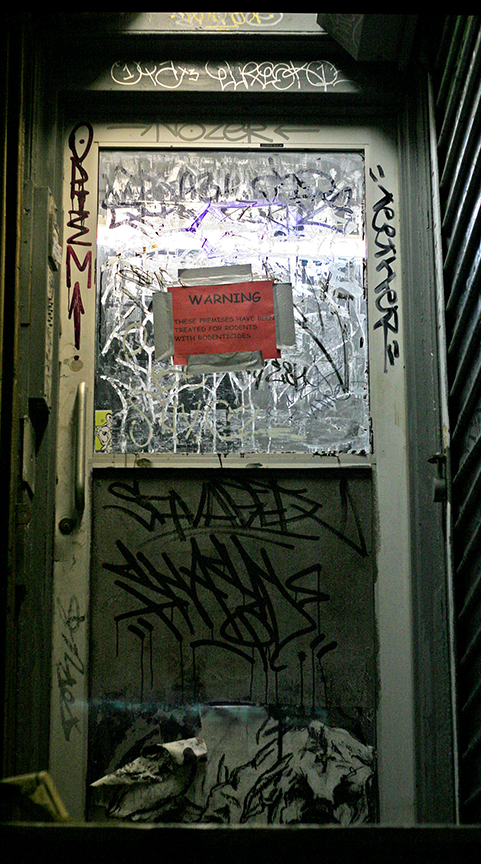
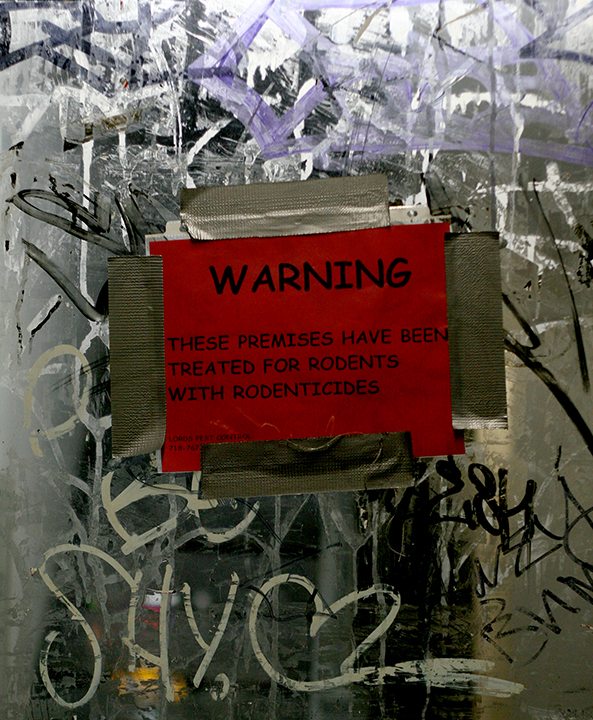
    This is New York too. While strolling in the Lower East Side on Orchard Street on Saturday night, I happened upon this doorway. It had the edge department well covered: graffiti, garbage, poorly lit, a bare fluorescent bulb, heavy duty roll gates with padlocks, and a sign warning of rodents and rodenticides fastened with duct tape. See closeup here.

    Does this affect desirability of the neighborhood? Not at all. Of course, real estate prices will not be quite as high as, say, an apartment on the Gold Coast – 5th Avenue in the 70s with Central Park views. There is a large demographic that would prefer the Lower East Side to the Upper East Side, SoHo, Tribeca, or the Upper West Side, for a time.

    There’s certainly no debating the fact the the Lower East Side and the East Village are two of the most exciting neighborhoods in the city with the widest range of restaurants, bars, theaters, and music clubs. And I am sure most residents are content to live out their entire lives there. Unless big money is at hand or added to the equation. Then, for many, the residence becomes a passing fancy, a fad, a toy to be discarded, or a place one has outgrown, followed by a move uptown or out of town. The charms of duct tape and rodenticide give way to those of the Dakota, Beresford, or San Remo. And edge is only a taxi or limo ride away.

    Take the Silk Building, above the former Tower Records at 4th Street and Broadway. The penthouse apartment has been a revolving door for the affluent – it has seen Keith Richards, Cher, and Britney Spears. There are a handful of extraordinary buildings downtown, like the Police Building, and many of the well-heeled do remain downtown, but they are few. Once a image statement has been made, most leave. After all, this really is a neighborhood that caters more to the young and restless than the established and rested.
    Money is like an unguent, and when applied liberally, it usually is absorbed readily with predictable effects. It doesn’t appear that one has to rub the salve that hard or long to take off most edges 🙂

    Related Postings: Vegan Chic, Bluestockings, Unkindest Cut, Rats R Us, Rats Gone Wild, The Dark Ages, Wildlife Control

    Posted on by Brian Dubé

  • East of East

    At one time, Gracie Mansion and Carl Schurz Park were stops on my whirlwind tours of NYC for friends, visitors, and family. I always strove to include places that were both interesting, scenic, and off the beaten path.
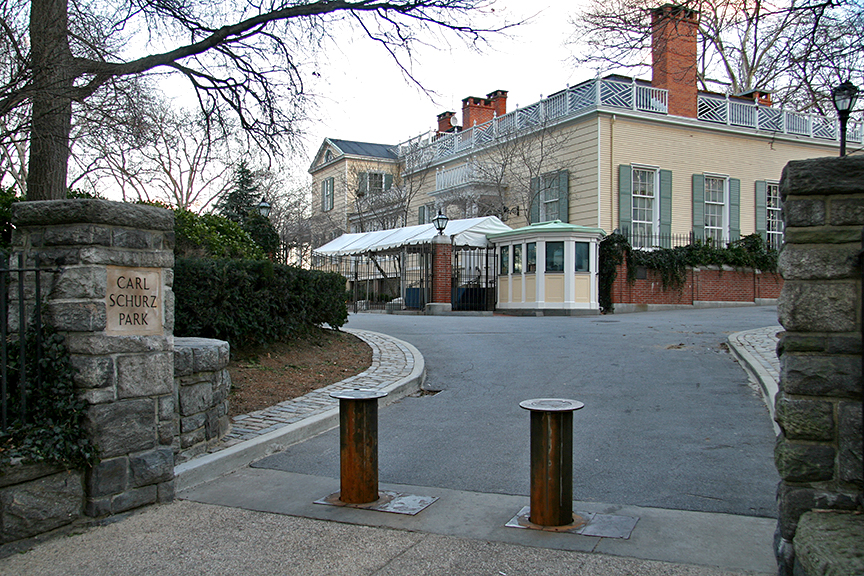
    Carl Schurz Park and Gracie Mansion are probably some of the least-visited landmarks in the city; many NYC residents have never been there. One reason is the location – easternmost on the Upper East Side and quite far from the nearest subway (the Lexington Avenue line is one km away). It is certainly a planned destination – there is little of note in the nearby Yorkville neighborhood.

    The elegant Federal-style wood frame dwelling was built in 1799 by a prosperous New York merchant named Archibald Gracie. The country house, overlooking a bend in the East River, was five miles north of the city at the time. A number of historical twists and turns later, the city acquired the property (1896), and in 1942 it became the official residence of the mayor of New York City. Parks Commissioner Robert Moses convinced city authorities to designate it as the official residence of the Mayor, and in 1942, Fiorello H. La Guardia moved in. Read a short history here.

    Mayor Bloomberg has chosen not to live at Gracie Mansion, preferring his residence at 17 E. 79th Street (see here). The mansion is now used for meetings and events. In 2002, the interior and exterior was restored with increased accessibility to the public and city agencies.
    Carl Schurz Park overlooks the East River. One special feature is the esplanade, officially the John Finley Walk, which flanks the park and affords beautiful vistas of the river, Hell’s Gate, Roosevelt Island, Ward’s Island, and several bridges, including the elegant Ward’s Island Bridge, which I recently featured. I was surprised to learn that tours are available by appointment one day per week (Wednesdays). It is a very worthwhile excursion to tour such a unique property, so beautifully sited…

    Geography Note: If you examine a map of Manhattan, you will notice that between 23rd and 53rd Streets, First Avenue is the easternmost north-south thoroughfare. As the island becomes wider heading north, you have the addition of Sutton Place/York Ave. Then, at 79th Street extending to 90th, going further east yet, East End Avenue. Carl Schurz Park, and Gracie Mansion lie east of East End Avenue.


  • Sleepy Backwaters

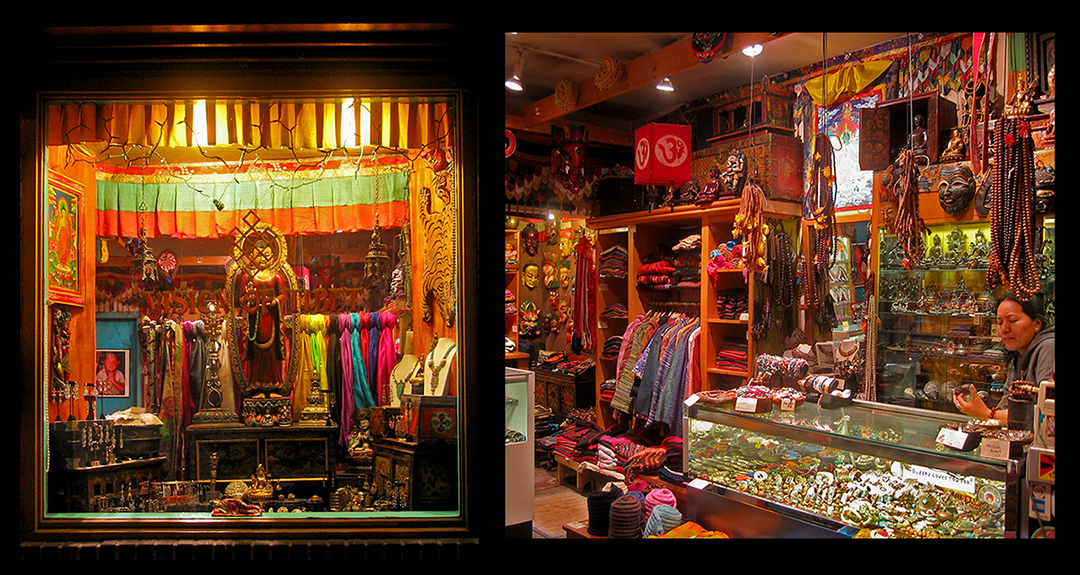
    It felt a little lonely, perhaps appropriate for a Tibetan store. A cold February weeknight and I was the only one in the tiny shop. Not far away in tres chic SoHo, we have places just bursting with customers like the Apple store, which sees thousands of customers per day and where it’s hard to get the attention of a sales person for more than a few minutes. The streets are now dotted with the likes of Louis Vuitton, Prada, Armani, Bulgari, and the less stratospheric places like Crate and Barrel, Pottery Barn, Victoria’s Secret, etc.

    But further west along Thompson, Sullivan, and MacDougal Streets, near Houston Street, there are small neighborhood stores – restaurants, boutiques, food specialty shops, and some virtual institutions. Places like Joe’s Dairy, Raffetto’s, Rocco, Tiro A Segno New York Rifle Club, and Alidoro. Along MacDougal, south of Houston, there are a handful of French restaurants and cafes – Bastille Day is celebrated here annually with a closing of the block. Along Thompson, you have two chess shops on one block – miraculous occurrences allowing for the retail and rental climate of the day. The very small retail spaces, occupying the tenement-style buildings of the area, are a factor in preventing major development by the large high-end retailers seen in the cast-iron district of central SoHo.

    Vision of Tibet typifies many of the small mom-and-pop businesses found in this immediate area. Started in 1987, it is the oldest Tibetan shop in the city, selling handicrafts from Tibet, Nepal, and India, whenever possible made by Tibetan artisans and almost always from family-run businesses. Not surprisingly, they carry no items made in China. The owner, Sonam Zoksang (who is also a photographer), was born in Tibet. His sister, Tenzin Chodon, manages the shop.

    If you want to experience an unadulterated NYC, take a stroll here. This area is truly a sleepy backwater – for now…


  • Full Circle

    Times Square has never been able to fully shake off its tawdry, sleazy character. But if you missed it in the 60s and 70s, you ain’t seen nothin’. This area was a shrine to every negative stereotype of the city. I mean it was really bad. I once met someone in the 1970s who used to associate with people that hung out in Times Square, sizing up potential victims, assaulting them, and stealing their coats.

    You were cheated, mugged, or robbed on the streets. It wasn’t much better indoors, where many of the stores were essentially dens of liars, thieves, and hustlers. If you haven’t seen Midnight Cowboy starring Dustin Hoffman, I highly suggest that you rent this film. It’s not only a great work, but it also portrays very well this time period and gives an authentic look at and feel for the area.

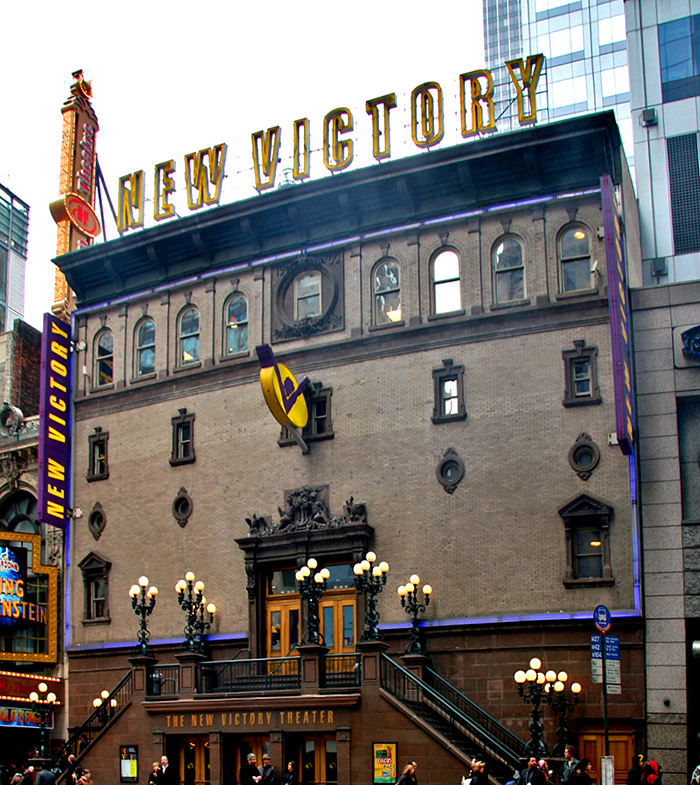
    Apart from the Broadway theaters and neon lights, the neighborhood has been best known for its porn – prostitutes, porn shops, peep shows, and porn theaters. Sadly, the Victory was part of this landscape. It’s hard to imagine the early days of this theater.

    Built for Oscar Hammerstein in 1900, it claims many superlatives and firsts, making it both famous and infamous. It is NYC’s oldest active theater and has gone through a truly remarkable number of incarnations. It became the Belasco Theater when David Belasco took it over in 1902, a burlesque house in 1931 when taken over by Billy Minsky until 1937, when burlesque shows were banned by Mayor LaGuardia, and a movie house (the Victory) through the 1970s, when it became the block’s first XXX-rated movie house.
    In 1990, it was taken over by the city as part of the New 42nd Street, Inc. in an effort to revitalize the area. It underwent an $11.4 million renovation headed by the architechtural firm of Hardy Holzman Pfeiffer Associates.

    In 1995, it reopened as The New Victory Theater, New York’s first theater for kids and families featuring theater, dance, circus arts, comedy, music, and puppetry. The theater is small (only 499 seats) affording everyone a good view and intimate connection with the performers. I highly recommend it. It’s a New York success story – rise, fall, and rise, making a Full Circle…


  • Roof Gem

    Having tremendous wealth does confer great privileges – an ability to indulge in a lifestyle all but inconceivable to most. NYC is no different except in the types of privileges it confers. Like being able to own an entire building for sole occupancy. This is common for most non-urban dwellers, but in New York, even tremendous money usually means just a much bigger and fancier apartment.

    Of course, once the bar has been raised and you are in rarefied territory, there is still competition for premium properties. You may have the resources to buy anything, however, the type of property you want may not be available. Many superstars have been rejected from coop boards. Even the mega-rich have frustration and disappointment.

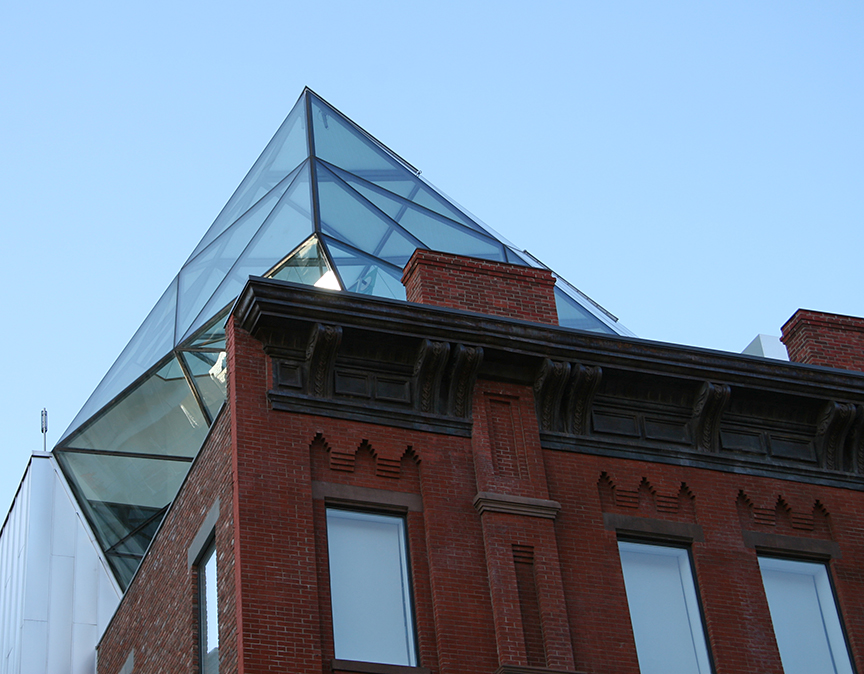
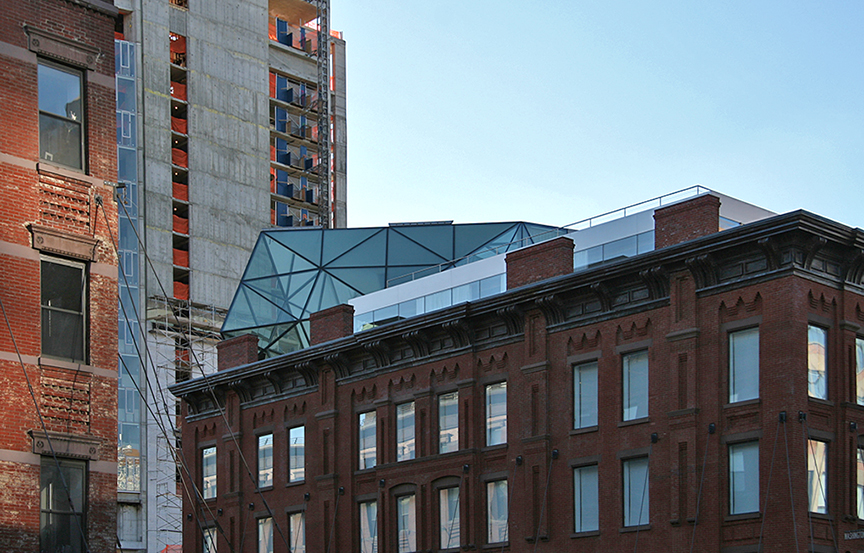
    This brings us to 440 West 14th Street in the meatpacking district. I love the anomalies of the city, so the glass structure atop this building immediately caught my eye. Click here for a photo showing a view of the structure set against its surroundings. A little digging revealed that this 25,000-square-foot historic building was purchased by Diane von Furstenberg in 2004 after sale of her properties in the West Village. According to the Villager:

    “von Furstenberg unloaded her three-story 1850s former stable and blacksmith’s shop at W. 12th St. — which served as her store, studio and pied-a-terre — to a 19-year-old Russian heiress, Anna Anismova, in September. She garnered a reported $20 million in the deal, more than three times what she paid for the property seven years ago.”

    The building was was originally built by the estate of John Jacob Astor in 1887 as workers’ living quarters for the nearby piers. It was occupied for 50 years by the Gachot & Gachot meatpacking company.
    The glass prism-like roof structure provides illumination for von Furstenberg’s penthouse/design studio; the structure is modeled after a piece of jewelry she designed for jeweler H. Stern. The building itself, which she restored to its former 19th-century appearance, will be used for manufacturing and commercial use. It is very atypical these days to see a conversion to non-residential use. Approval of the design was quickly had – most applauded and welcomed the restoration. Some, of course, disliked the prominence of the rooftop prism.

    Perhaps the adage “you can’t always get what you want” does more to comfort those who have less by distracting us from the fact that those with wealth and/or power do often get what they want. It does appear that Diane got what she wanted here…


  • dinamic_sidebar 4 none

©2026 New York Daily Photo Entries (RSS) and Comments (RSS)  Raindrops Theme