• Category Archives NYC’s History
  • Left Bank New York

    From 1900-1950, there was a community of some 200 artists who lived and worked in the two blocks north of Washington Square. The artists’ spaces, converted stables and townhouses, evoked the atmosphere of the Left Bank of Paris. Among the noted artists were Paul Manship, Gertrude Vanderbilt Whitney, Gaston Lachaise, Isamu Noguchi, and Edward Hopper.

    Virginia Budny has curated a new show (at NYU’s La Maison Francaise) and authored a book on this subject: New York’s Left Bank: Art and Artists off Washington Square North, 1900-1950.
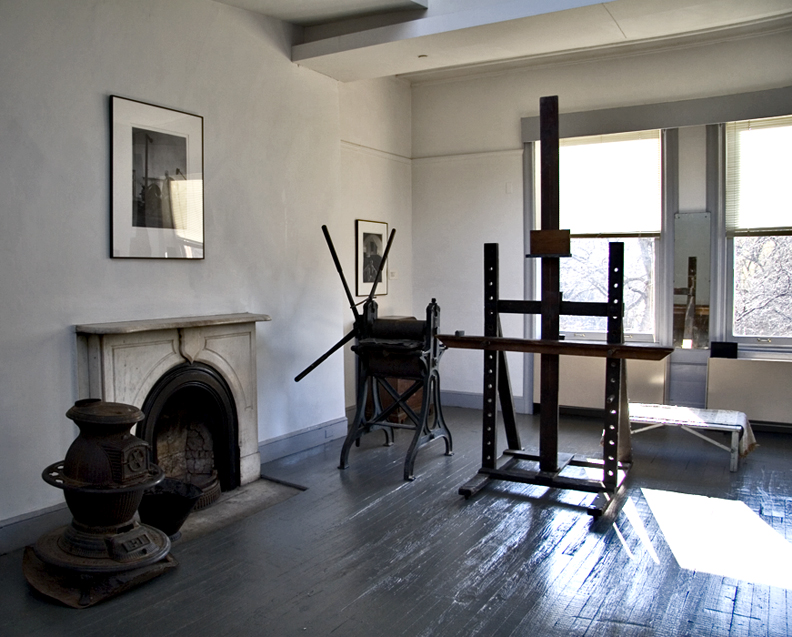
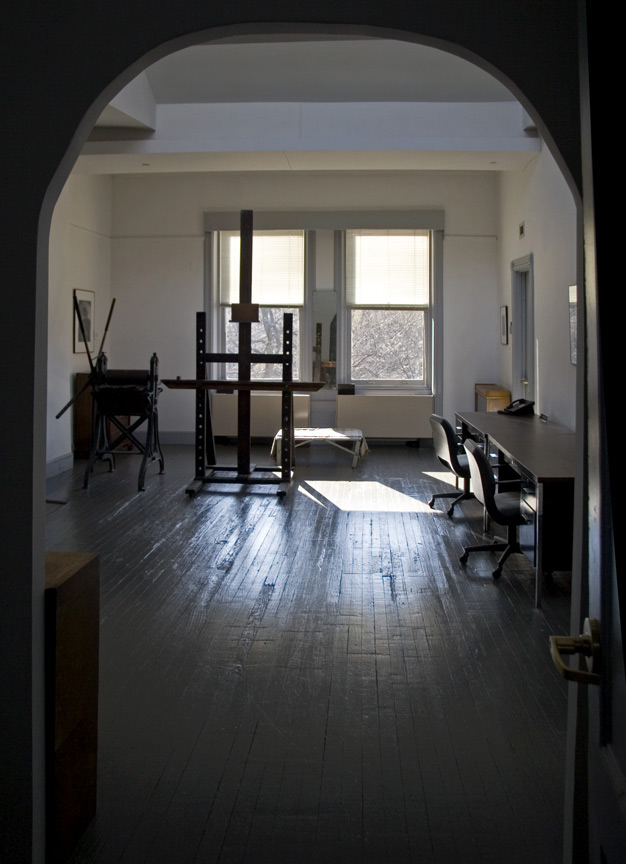
    I was privileged, along with a handful of others, to get a tour with Virginia as guide of Hopper’s studio and the areas featured in the book and show: Washington Square North, Washington Mews, MacDougal Alley, and 8th Street. The photo shows Hopper’s studio with an easel, a printing press, and framed photos of Hopper (click here for second photo). The windows look out to Washington Square Park…

  • Little Church Around the Corner

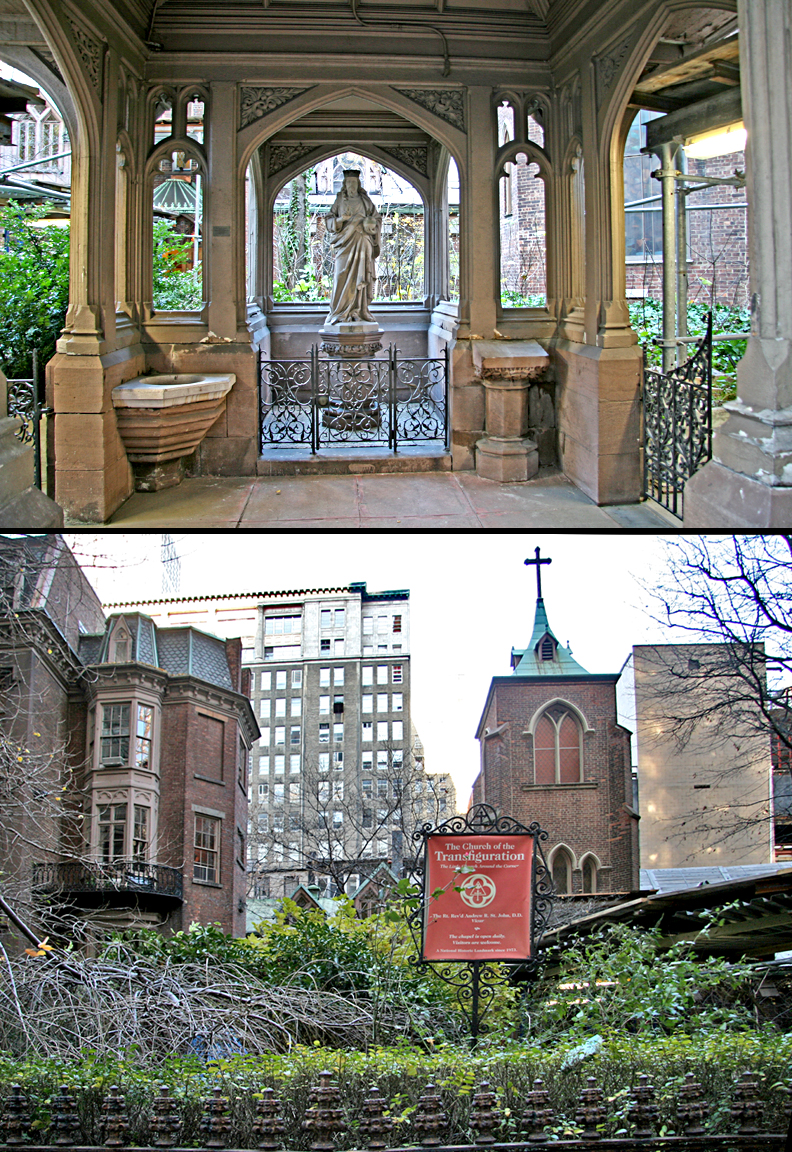
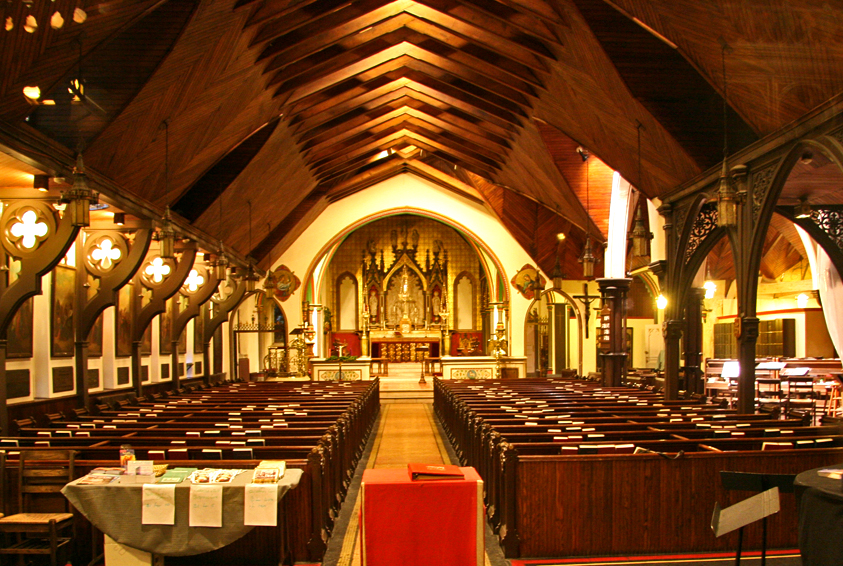
    The Church of the Transfiguration is one of the most famous parishes of the Episcopal Church in the United States, known throughout the country as “The Little Church Around the Corner.” For 150 years, it has been a very visible worshiping community in an urban setting which has welcomed all classes, all races, and particularly all those marginalized by society for whatever reason, as were actors and actresses, who had theretofore been on the fringes of both society and the Episcopal Church. It also has stressed service to the poor and oppressed from its earliest days.

    The founder, Dr. Houghton, sponsored bread lines and worked vigorously for the abolition of slavery and harbored runaway slaves. In 1870, when the rector of a neighboring church refused to perform a funeral for an actor named George Holland, he suggested the “little church around the corner,” where “they do that sort of thing.” Fellow actor Joseph Jefferson, who was trying to arrange Holland’s burial, exclaimed, “God bless the little church around the corner!” and the church began a long-standing association with people of the theater. For more information, including a history, I direct you to their site.

    The church, at 1 E. 29th Street, was built in 1849. The church is set back behind a garden – the atmosphere is one of an English parish church in the countryside. Currently, the property is undergoing extensive renovations. More photos here…


  • CBGB

    Beautiful, isn’t it? This is the interior of CBGB, photographed before it closed. After a rent dispute, much speculation, and attempts to save the rock club, they finally closed their doors on Halloween. A final concert with Patti Smith was given on October 15. My request to take photos was welcomed – the employee at the door said that the owner has always encouraged photography, so I was free to wander throughout the club.

    The club owner, Hilly Kristal, is looking to move the club to Vegas, as I mentioned in a previous post (in which I included a photo of the bathrooms). They are aggressively marketing their brand, online store, and a retail shop, which will be opening in prime East Village at 19-23 St. Marks Place on November 24th. Click here for their website. They have a Myspace site, and on November 15th, there will be an ebay auction of their club fixtures and furniture. I think in an era of imaging and branding, nostalgia can generate more business than the original product…


  • Eagle Warehouse

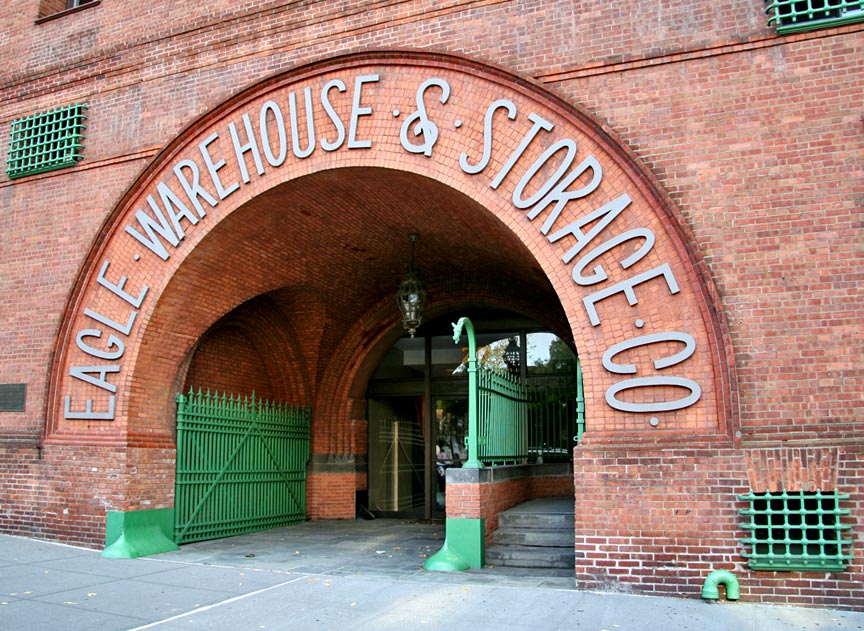
    The Eagle Warehouse stands at 28 Old Fulton Street in the Fulton Ferry Landing area of Brooklyn (between Brooklyn Heights and DUMBO). The photo shows the Romanesque Revival arched entrance.

    This massive medieval structure was built in 1893 (as the Eagle Warehouse and Storage Company) by architect Frank Freeman on the site of the old Brooklyn Eagle building (in its construction, the old three-story Brooklyn Eagle press room building was kept). The Brooklyn Eagle was a daily newspaper published in Brooklyn for 114 years (1841 to 1955). At one point, it was the most popular afternoon paper in the United States. Walt Whitman was its editor for two years; however, he was forced to leave when his antislavery views clashed with the paper’s management.

    The Eagle Warehouse was converted to condominium lofts in 1980. There is a large clock at the top of the building – its glass face is the window of one of the lofts. The Eagle Warehouse is a prominent landmark – check it out if you are in DUMBO…


  • Yippies

    The Yippies were a highly theatrical political activist group established in 1967 – Abbie Hoffman, Anita Hoffman, and Paul Krassner were among its early founders. The term is a backronym – it was conceived by Krassner as a whimsical play on “hippies”; later, the acronym Youth International Party was applied to have the group taken more seriously.

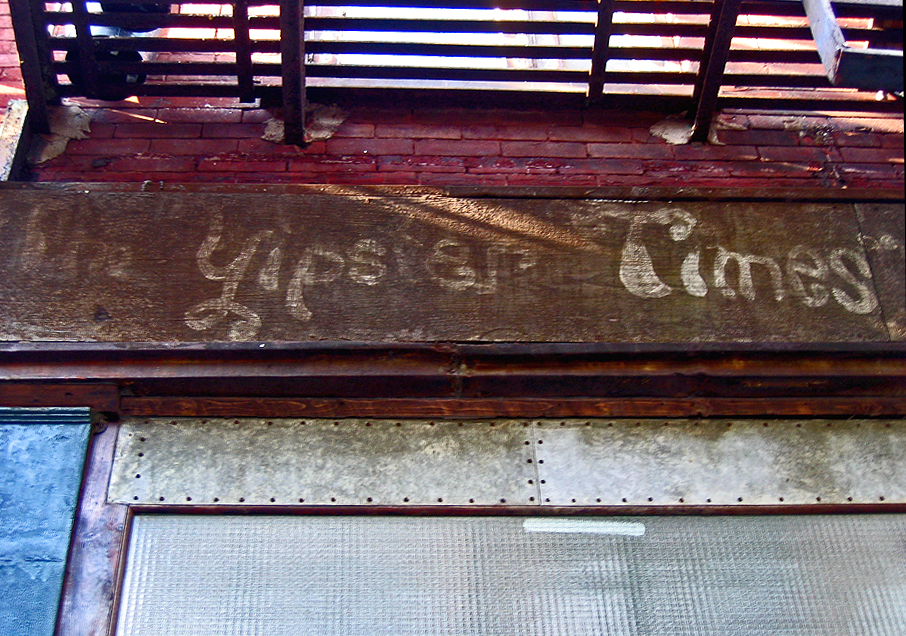
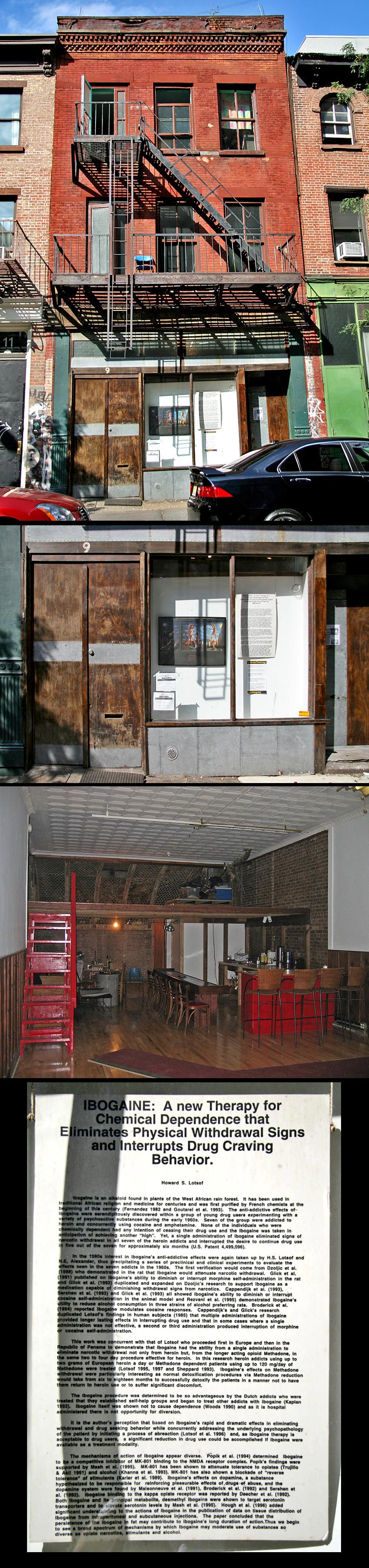
    The Yippies are fascinating – read their history here and watch a short video here. In 1972, The Yipster Times was started by Dana Beal; in 1973, the Yippies moved into the building at 9 Bleecker Street, where The Yipster Times (later Overthrow) was published – the photo above shows the original sign. Beal still lives in the building, which is being converted into a museum after a fight against eviction (read about the future plans here).

    I was fortunate to get a tour of the ground floor – see more photos here of the interior and exterior. The building has continued as a locus for activism over the years – some Yippies still remain. Currently, Beal and the organization Cures Not Wars are crusading for the legalization of Ibogaine and its use for heroin addiction. I’m amazed at the tenacity of this group…


  • Masonic Lodge

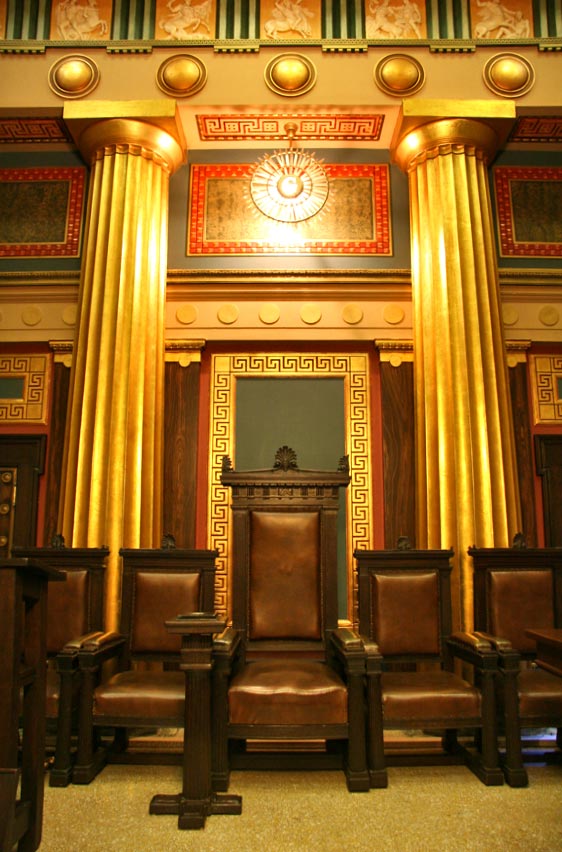
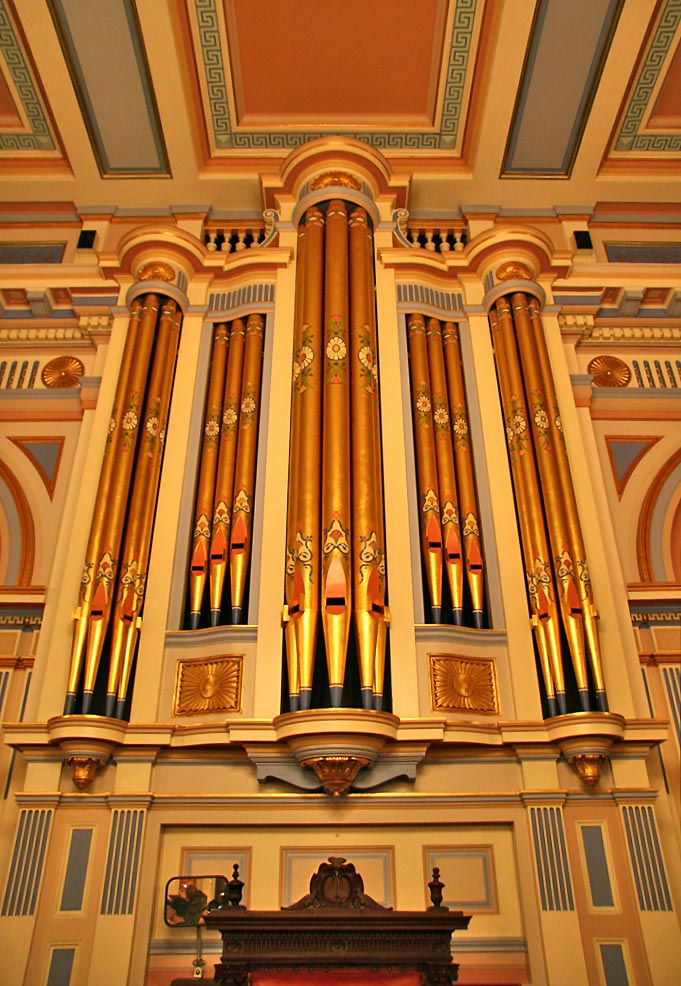
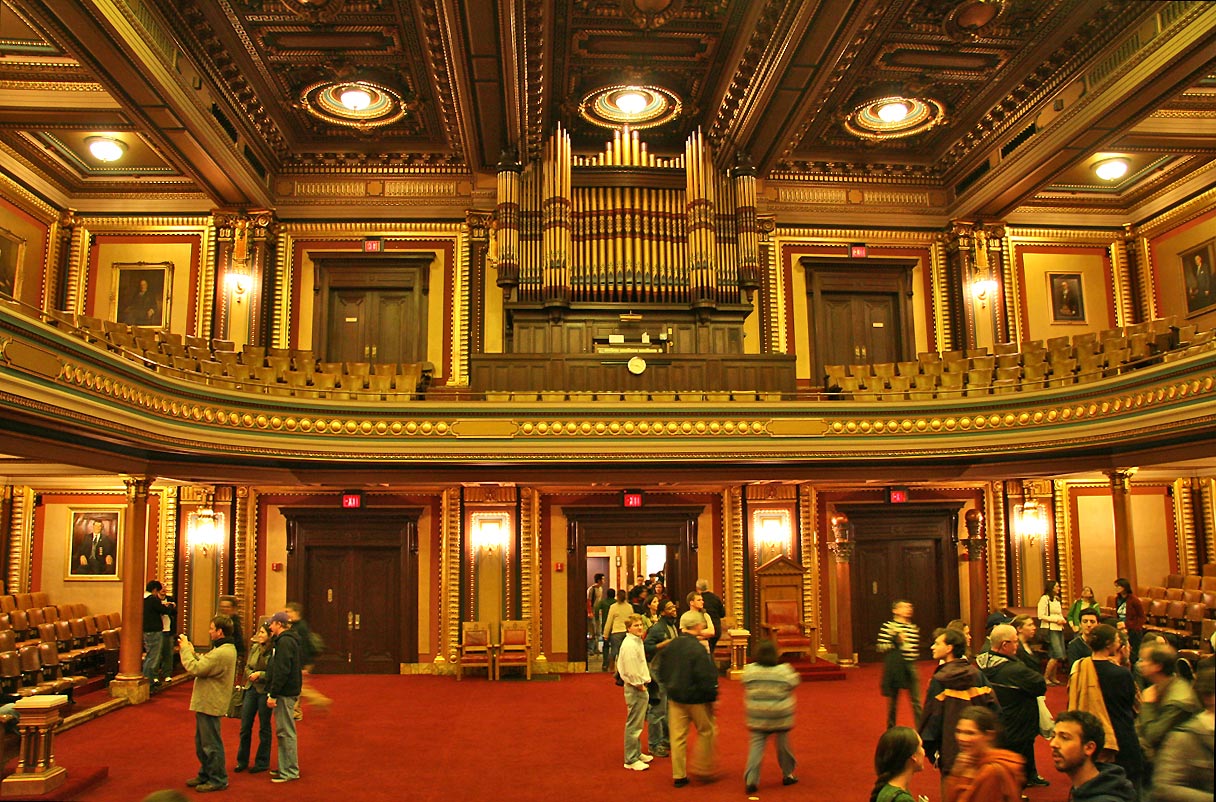
    I had a difficult time selecting an image to represent this site, so please take a moment and click here for a series of 8 photos on one of the most remarkably unexpected spaces in the city. After all, isn’t the very concept of a Lodge something which we associate with the suburbs?

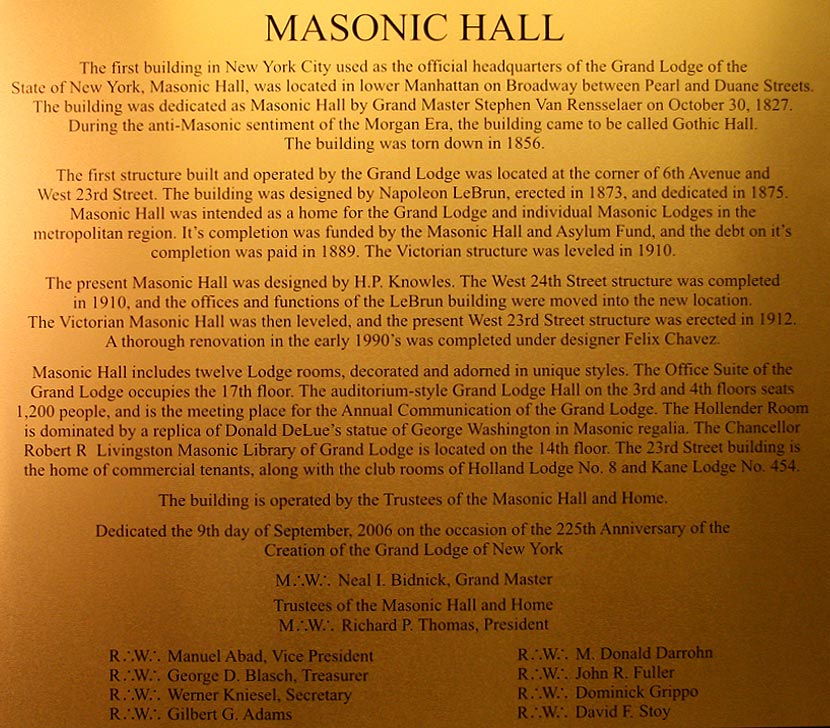
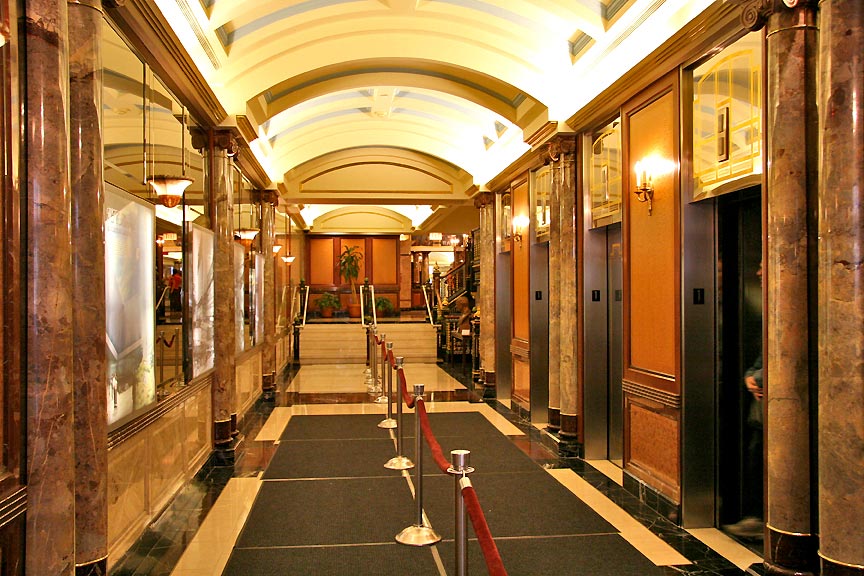
    I was completely amazed to find a place like this in Manhattan at 71 W. 23rd Street. This building is the New York Grand Lodge Headquarters for the Freemasons – over 60 lodges meet here in 12 stately rooms with pipe organs in every room. The Masons actually own two buildings here (see building history here). The one facing 23rd is an office building, and rental income helps support the actual Lodge building, which faces 24th Street. A long portico provides access from 23rd Street. They have a two-story, auditorium-style Grand Lodge room which seats 1200 people.

    This two-century-old secret society has seen a slow decline in membership, so it has become a little more interested in attracting new members. They have a history of doing philanthropic work, including underwriting medical research. Their members include many famous individuals: 14 presidents (among them George Washington), Ben Franklin, Beethoven and Mozart, Clark Gable, Houdini, and Count Basie. Tours are available Monday through Friday, so go there and check it out…

    About this photo: This was taken during the weekend of Open House New York. For more information, see their website here.


  • Astor Hairstylists

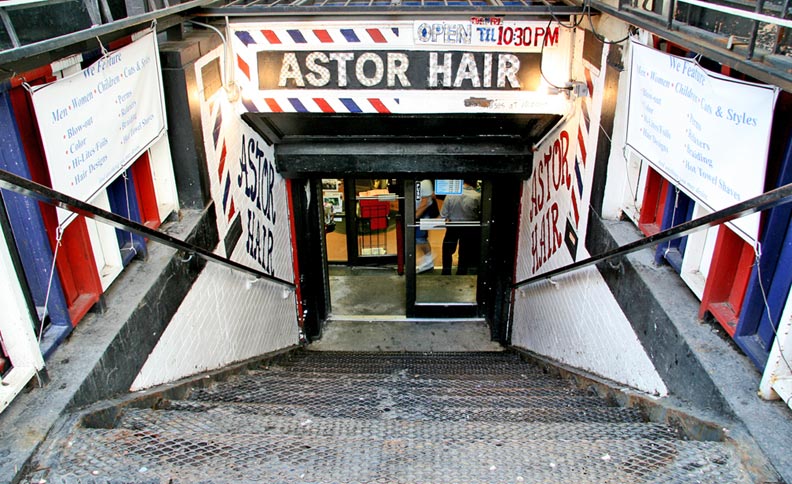
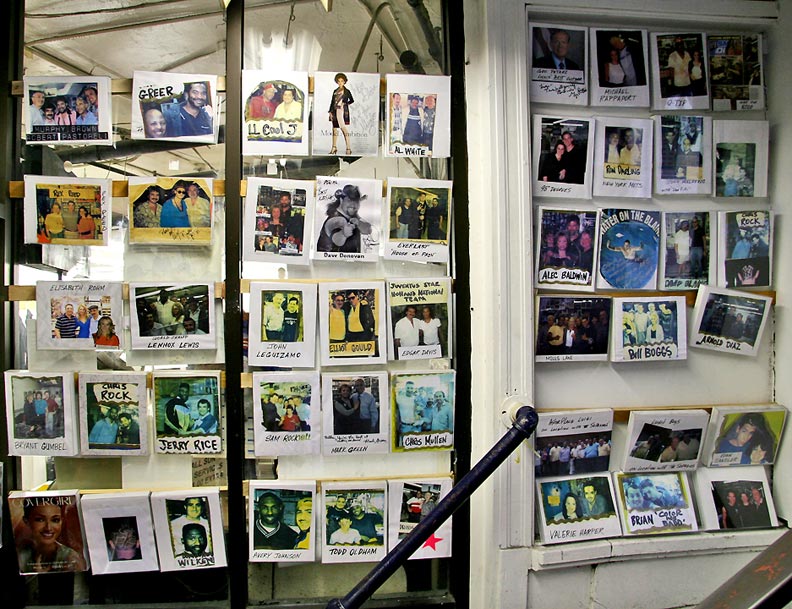
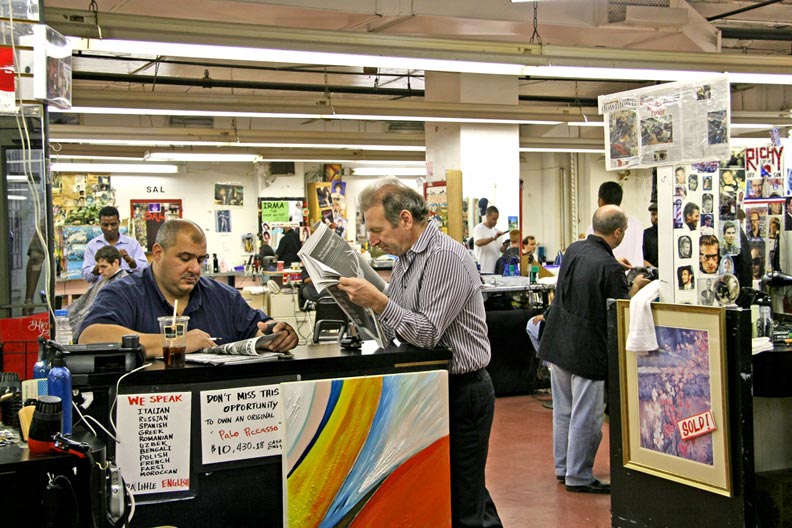
    Astor Hair, Astor Place Hair – everyone knows this place, including many who have heard of it from far away places. A family business, the shop was started in 1945 by Enrico Vezza Sr. In 1965, it was taken over by his son, Enrico Vezza Jr., who now manages it with his son, John. In the 1980s and ’90s, people lined up to get cuts there; haircutters gave live performances on TV and in clubs. They occupied a ground floor retail space, a mezzanine, and a basement space, with over 100 haircutters total. The walls are covered with photos of celebrities who have been there over the years. In 2005, due to a rent increase, they consolidated operations to the basement space with about 30 haircutters.

    The haircuts? Haircutting is very personal – people are often convinced that only their haircutter can do it right. There is also a lot of snobbery in haircutting; many feel that a cut so cheap ($13) just CAN’T be good. To the contrary – many of the cutters here have left high-end operations for the more relaxed, low-stress atmosphere at Astor Hair. Many have found that more expensive cuts elsewhere have not necessarily been better. Of course, like any surgical procedure, there are always less experienced cutters, so I give Astor Place a thumbs-up with a caveat – try to get a recommendation. I use Scotty…


  • Cherry Lane Theatre

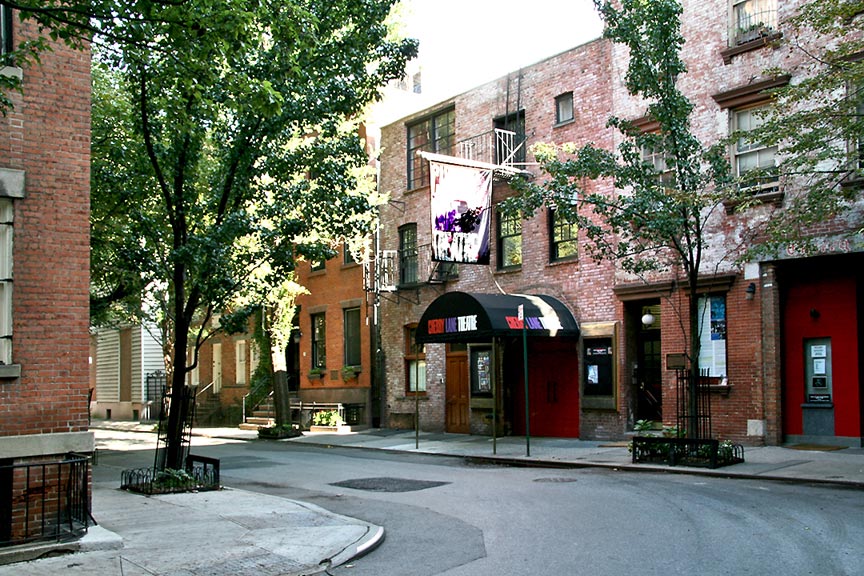
    On one of the most charming and bucolic streets in the city, you will find the Cherry Lane Theatre. This small, quaint theater at 38 Commerce Street in the West Village is, however, not small in reputation or impact. The building site was originally a silo on the Gomez Farm in 1817 – the building that now stands was first built in 1836 as a brewery and was later used as a tobacco warehouse and box factory. Click here for more photos.

    It was founded as the Cherry Lane Playhouse in 1924 by a group of colleagues of Edna St. Vincent Millay. The roster of playwrights and actors that have worked there is truly astonishing and voluminous: O’Neill, Beckett, Albee, Pinter, David Mamet, Sam Shepard, John Malkovich, Gene Hackman, Barbra Streisand, James Earl Jones, Rod Steiger, Dennis Quaid, Kevin Bacon, and Harvey Keitel, to name just a few. If you are not familiar with this theater, I suggest you peruse their extensive website and learn more about it.

    As a laboratory for theater with a groundbreaking heritage, it is quite fitting that New York’s longest running Off-Broadway playhouse is located on a street with a bend and left off the grid of the Commissioners’ Plan of 1811…


  • San Gennaro

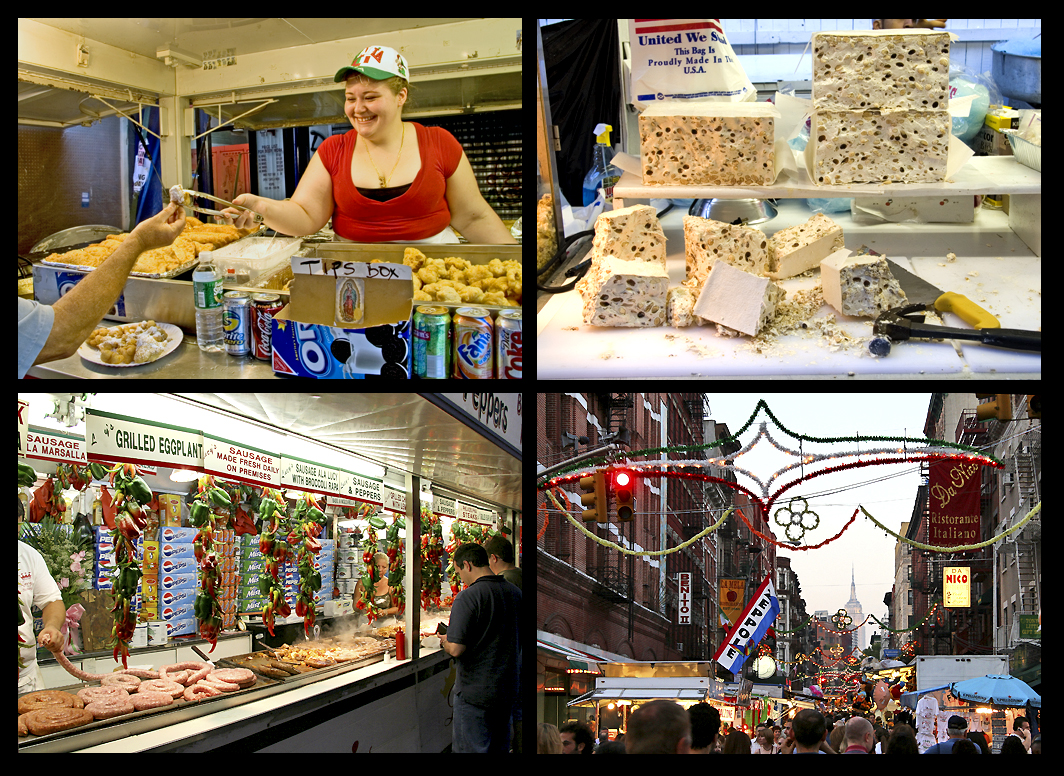
    The Feast of San Gennaro is celebrating its 79th year. It started in 1926 as a one-day event and now spans 11 days (Sept 14-24). San Gennaro was the patron saint of Naples. Newly settled Neapolitan immigrants started the annual festival, continuing the tradition from Italy, commemorating the day in 305 AD when Saint Gennaro was martyred for his faith.

    The feast takes place in Little Italy along Mulberry Street, which is closed to traffic for the duration. Homemade food is the main attraction: sausages, calzone, braciole, zeppole, funnel cakes, pastries, torrone, seafood, pizza, and more. Restaurants on the street set up outdoor seating. There is an annual Grand Procession. Today, the official feast day, there will be a Celebratory Mass and a religious procession. On Saturday the 23rd, there will be a parade. On the more mundane side, there will also be a cannoli-eating contest. Live entertainment is provided every day. Click here for schedule of all events at the official site. Carnival style games of chance are popular, and there are even a few rides.

    The event brings over 1 million visitors – many neighborhood residents see it as a serious invasion, and many New Yorkers avoid it, seeing it as much too commercial. I think everyone should experience it at least once…


  • Pan Am Building

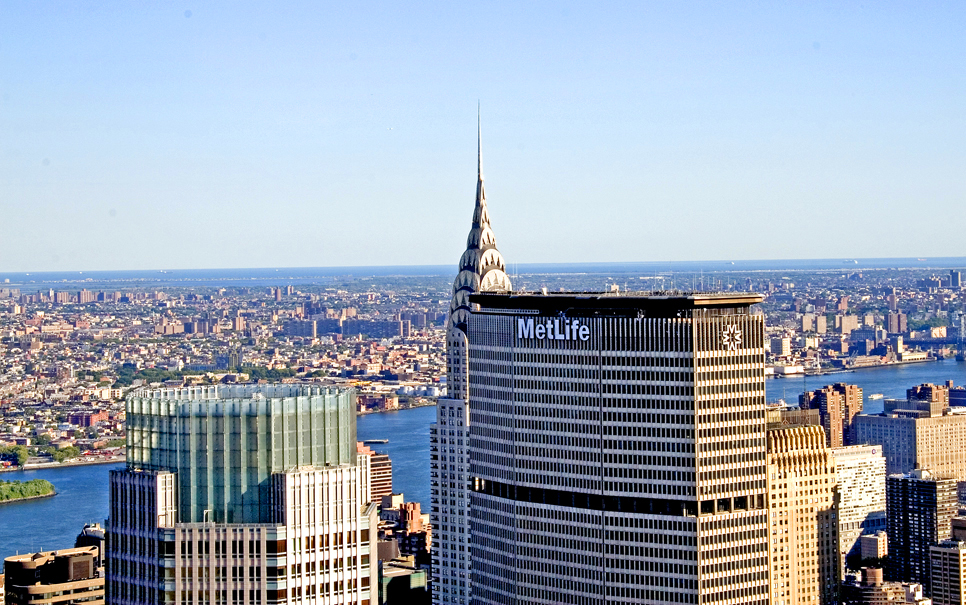
    I think of this as the Pan Am building – its name during my first years in NYC. Designed by Emery Roth, Walter Gropius, and Pietro Belluschi, it was the world’s largest commercial office building when it opened in 1963. The Pan Am building is located at 200 Park Avenue above Grand Central’s north shed. A controversial building – many have found it to be very unappealing, dominating the skyline from many nearby vantage points and occluding views such as that of the New York Central Building (now the Helmsley Building at 230 Park Ave.)

    It is perhaps best known for its helicopter service (it has a rooftop helipad). There was much excitement about their 7-minute ($7) flight to JFK airport, offered between 1965 and 1968 and reopened in 1977. However, service was closed after an accident that killed five people – broken landing gear caused a helicopter to tip over, killing four people waiting to board and a fifth person on the street with part of a rotor blade which had flown loose. Click here for a link showing early photos of the building with its iconic logo, including the helicopter service. And check out these photos showing stewardesses in uniforms from the glory days of aviation, when flying was a luxury and planes were not seen as a bus with wings, as they are today. More photos and an interesting article here.

    In 1981, the building was sold to Met Life. When Pan Am ceased operations in 1991, the Pan Am logo was removed and replaced with that of Met Life. Of course, revisionism rears its head after a loss (see this article from the NY Times). Apparently many now are less negative regarding the building now that time has passed…


  • Fiorello LaGuardia

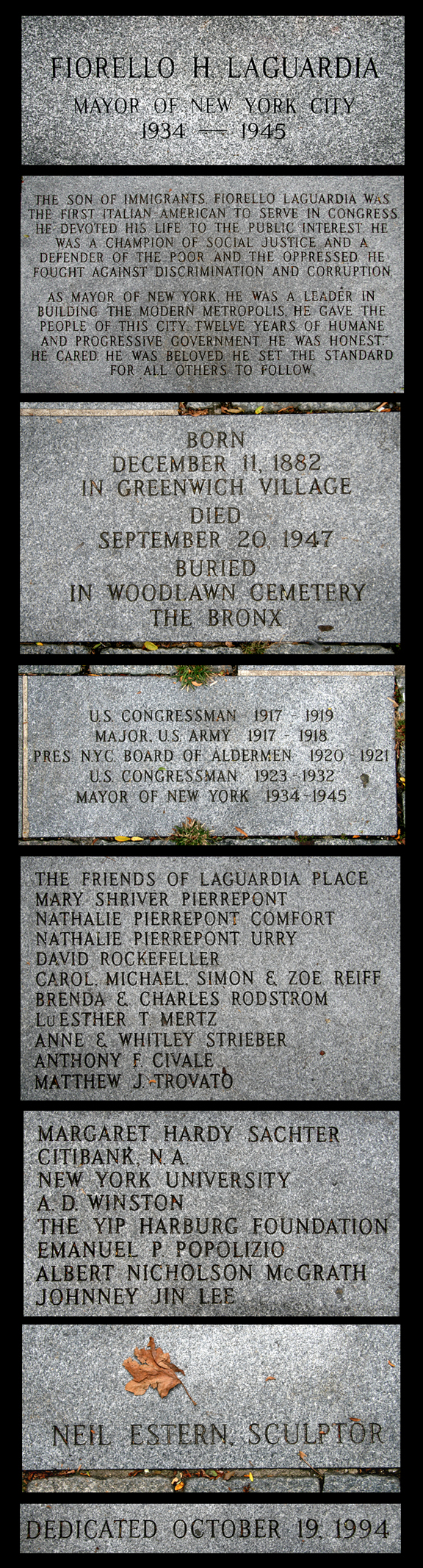
    This bronze statue is located on LaGuardia Place in Greenwich Village – I have passed it nearly everyday for years but knew little of the man, who was born in NYC in 1882 and served as mayor of NYC from 1934-45. The most striking thing is his small physical stature – it turns out that he was just over 5 feet tall. However, he was no small man as far as achievements: Congressman (representing Greenwich Village), translator (he spoke several languages), lawyer (NYU law school grad), Attorney General, major in the U.S. Army, and NYC mayor for 3 terms.
    He was responsible for leading the city through the Depression and for many public works programs, including roads, bridges, tunnels (including the West Side Highway, East River Drive, Triborough Bridge, and Brooklyn Battery Tunnel), and public parks.

    A lover of music and conducting, LaGuardia felt that his greatest achievement was the creation of the Fiorello H. LaGuardia High School of Music & Art and Performing Arts. I recommend reading his bio.

    Click here for a series of photos of the plaques at the statue site.


  • Parachute Jump

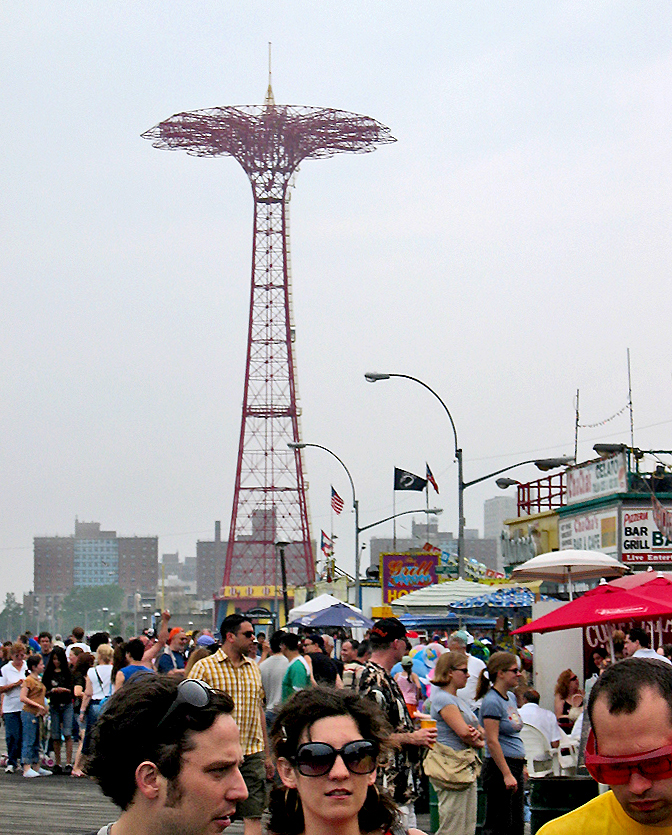
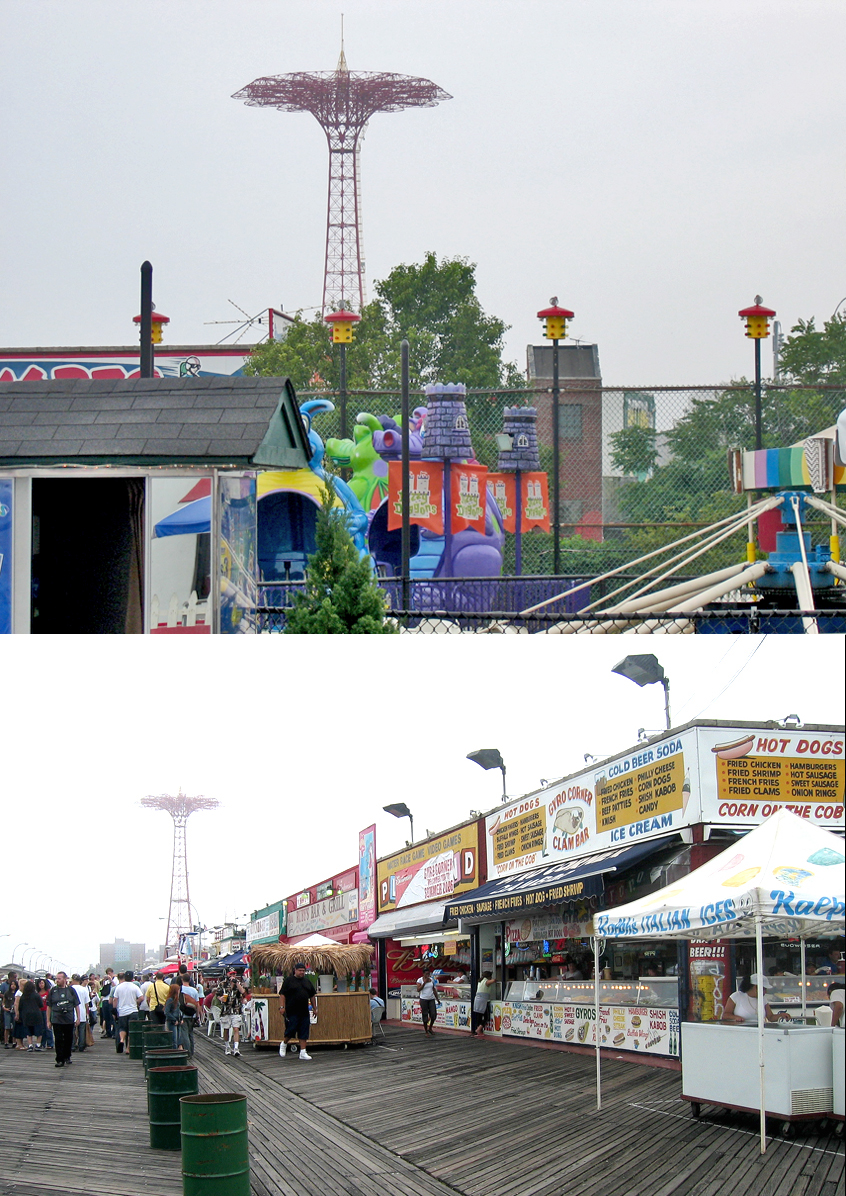
    The Parachute Jump in Coney Island is a Brooklyn icon. At 262 feet tall, the metal structure is reminiscent of the Eiffel tower, visible throughout the neighboring area. It was originally built for the 1939 World’s Fair in Queens, NY, then disassembled and moved to Steeplechase Park in Coney Island in 1941.

    The ride featured real working parachutes – riders were placed in harnesses, and the parachutes were guided down by cables. The design was based on Russian military parachute training towers. After various threats of demolition, it is now recognized as a city landmark and in 1989 was placed on the National Register of Historic Places. Currently, a rehabilitation is underway. This photo certainly does not make the area very appealing, but for me, it captures my image of Coney Island as a gray, dreary place in continuous decline. Click here for more photos.

    The Mermaid Parade was one of the few really nice visual experiences I have had there. I always try to love Coney Island, but it is hard not to see it in its glorious past (see the original Luna Park at night). There is always talk of development and renaissance. Let’s hope soon…


  • Gotta Go?

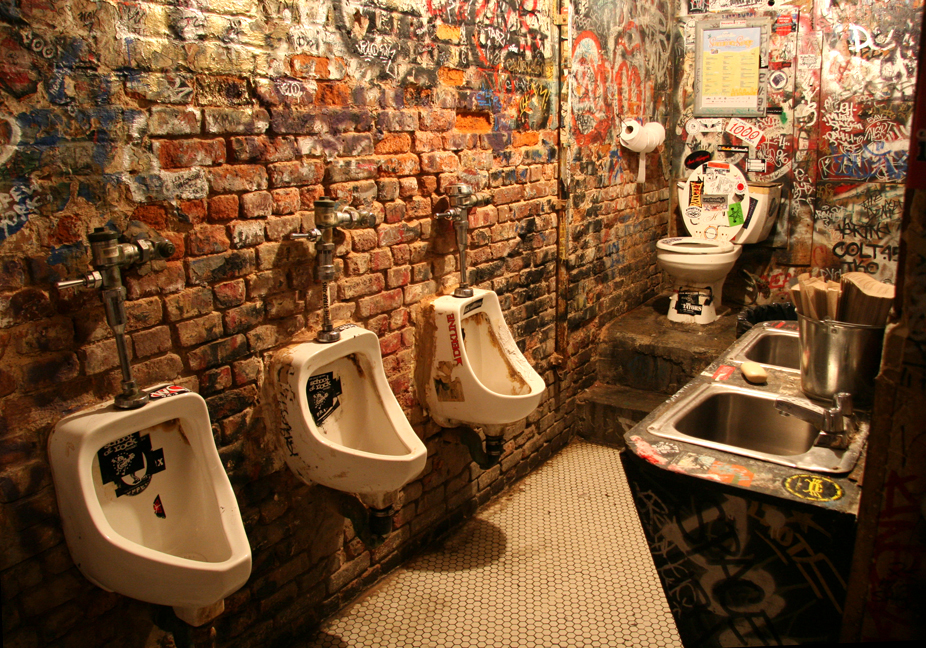
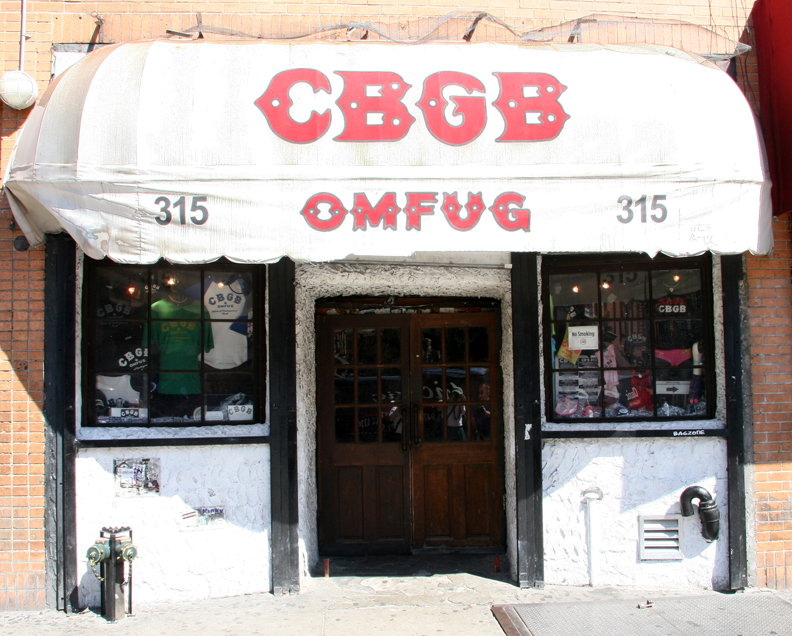
    This is the downstairs bathroom at CBGB. And, yes, it appears to be official: after 32 years, CBGB has gotta go – they are closing and moving to Las Vegas. Opened in 1973, they are the oldest rock club in continuous operation in NYC. The punk mecca has showcased the Ramones, Talking Heads, Blondie, the Patti Smith Group, Iggy Pop, etc.

    In a city of rising rents, closings of clubs is becoming standard fare – Wetlands, Fez, Luna Lounge, and Chicago Blues have all closed. Numerous efforts to save the NYC landmark have been made, including a festival in 2005, attended by the mayor. But economics rule – with a reported doubling of rent from $20,000 per month to $40,000 (and $80K per year liability insurance), it is just not economically feasible to stay open. For many, the closing is more of a disappointment than a real loss because it is emblematic of recent trends of displacement and gentrification.

    According to owner Hilly Kristal, they are taking everything with them to Vegas: “I intend to take everything out of there that represents CBGB. We’re going to take the bars, the toilets, the urinals, even the doors. We want to re-create the essence of the club.” But for me, looking at that bathroom, I’m not so sure I gotta go 🙂


  • Crisis at Citicorp

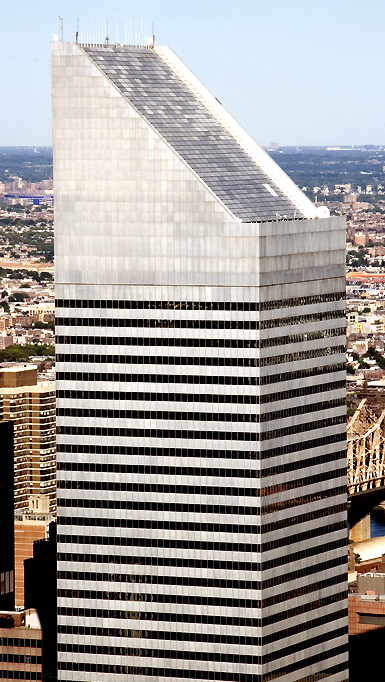
    In reading articles for this post, I came across an astounding story regarding the Citicorp Center. Built in 1978, this tower is one of the tallest in Manhattan and is considered one of the most important postwar structures in NYC. The building’s unusual design, with a nine story stilt-style base, allows it to cantilever over St. Peter’s Lutheran Church (Citicorp built a new church to replace the original, which had occupied much of the block).

    Very interesting, but here’s the real story – unknown to the general public until 1995, nearly 20 years later, unauthorized changes were made to the construction (bolted joints rather than welded). During construction, questions from an architecture student (about the stilt-style construction) prompted the structural engineer, LeMessurier, to recalculate the effects of the change to bolts. He discovered a fatal flaw – the design could not withstand the force of a 70 mph wind, an event which was predicted to occur on average every sixteen years. And, coincidentally a hurricane was approaching NYC. After contemplating suicide (really), he had meetings with the client – emergency repairs were made with workers working around the clock. Steel plates were welded over all 200 bolted joints to reinforce the structure. Read this excellent 1995 New Yorker article about the entire debacle here.

    By the way, the distinctive angled roof was originally designed for energy-saving solar panels, which were never installed.


  • Penny Farthing

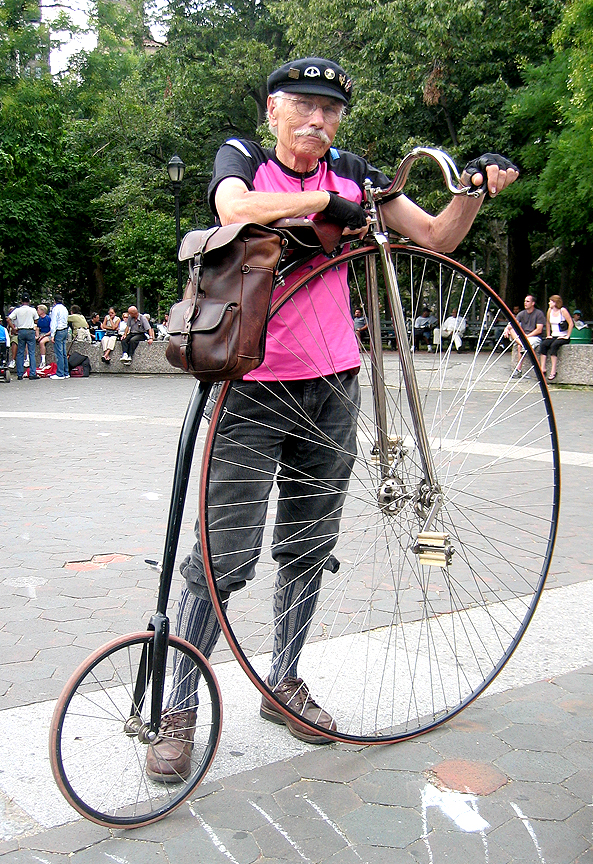
    It’s always a rare pleasure to see one of these beautiful, elegant cycles. Penny Farthing is the British term for this early style of bicycle – the term derives from two coins of the time: the penny (large) and farthing (small). This bicycle has also gone by the names Ordinary and High Wheeler. There was no gearing on these bikes – the pedals were attached directly to the axle, essentially making this like a large unicycle. To get greater speeds, the wheel size was made quite large. This design was quite treacherous – the rider sat high (and over the center hub), and any sudden stops sent him/her flying. Mounting was quite tricky – see Gary Anderson (in the photo) demonstrate mounting and riding in my video:

    These High Wheelers had a short history – the invention of the safety bicycle, with its gear-driven chain drive (and smaller wheels of the same size), made the High Wheeler obsolete in a short time. Riders, builders, and organizations of these enthusiasts (such as The Wheelmen) still live on, but the diamond frame design of the safety bicycle remains the standard today…


  • dinamic_sidebar 4 none

©2026 New York Daily Photo Entries (RSS) and Comments (RSS)  Raindrops Theme