• Category Archives Architecture
  • The Public Theater

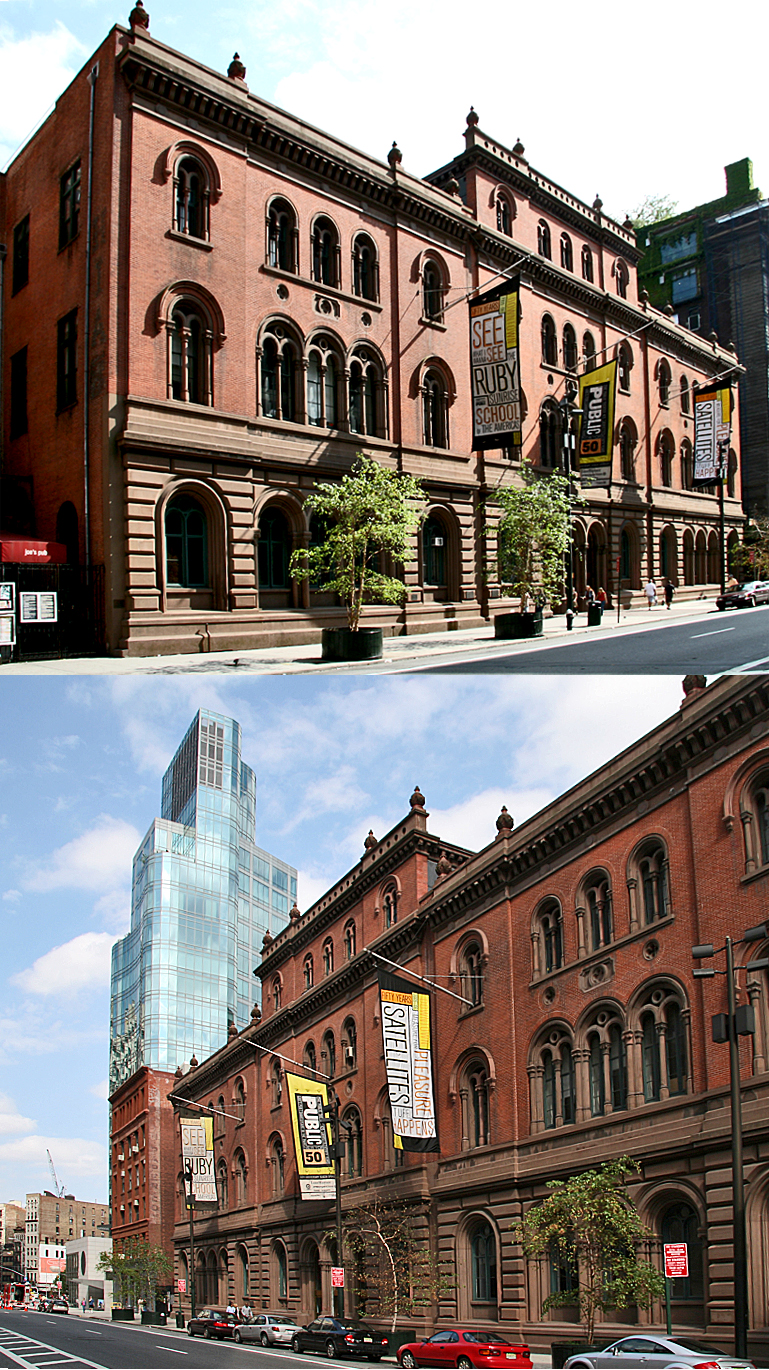
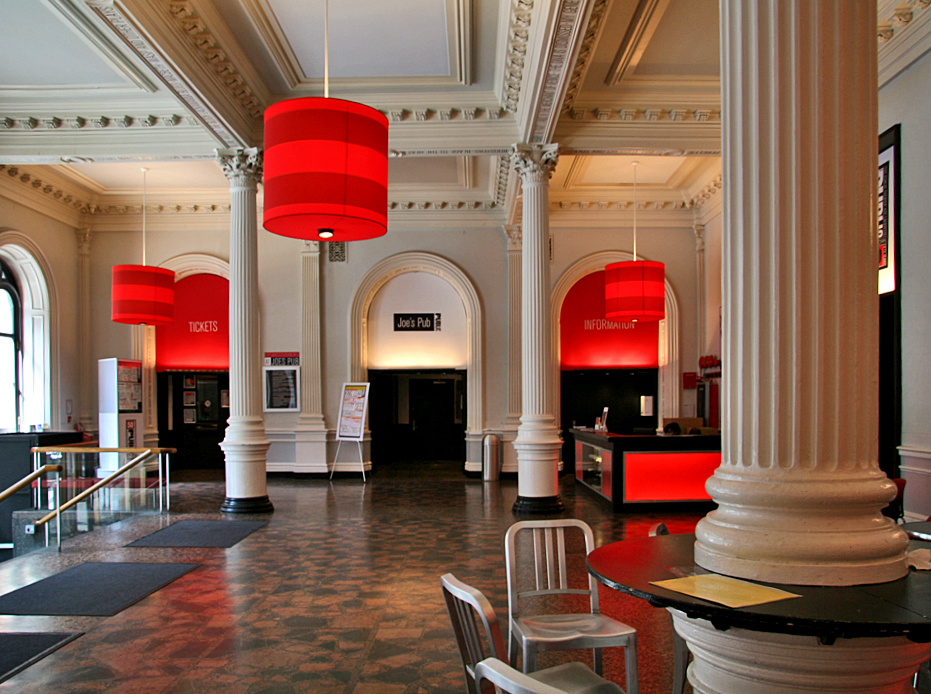
    Just south of Astor Place on Lafayette Street lies the Public Theater (both the organization and building name). The photo is of the interior lobby (click here for exterior photos of the building – the glass high-rise is the Gwathmey). The performing arts organization was founded in 1954 by Joseph Papp as the Shakespeare Workshop. It found a permanent home in the former Astor Library in 1967, when it premiered Hair. The 1854 building, considered by many to be the finest example of Rundbogenstil – a German variant of Romanesque Revival – was actually slated for demolition before being rescued by Papp. Click here for an excellent NY Times article on the building.

    The Public Theater has won over 200 awards (Obie, Tony, Drama Desk, Pulitzer); 49 shows originating here moved to Broadway. They produce new plays, musicals, Shakespeare – many of their productions tend to be more avante-garde. They also operate the free Shakespeare in Central Park, a summer actor training intensive (the Shakespeare Lab), and Joe’s Pub, a venue for musicians and other performers. Every time I walk by, I admire the building and also remind myself that I should make an effort to attend their performances…
  • Art Deco Lobby

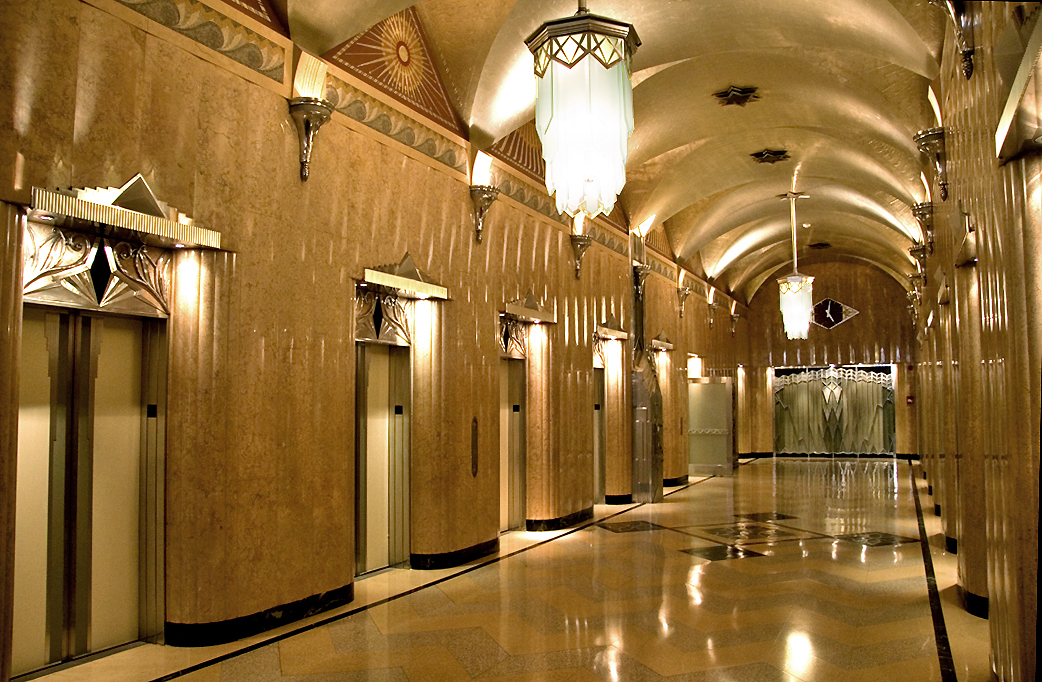
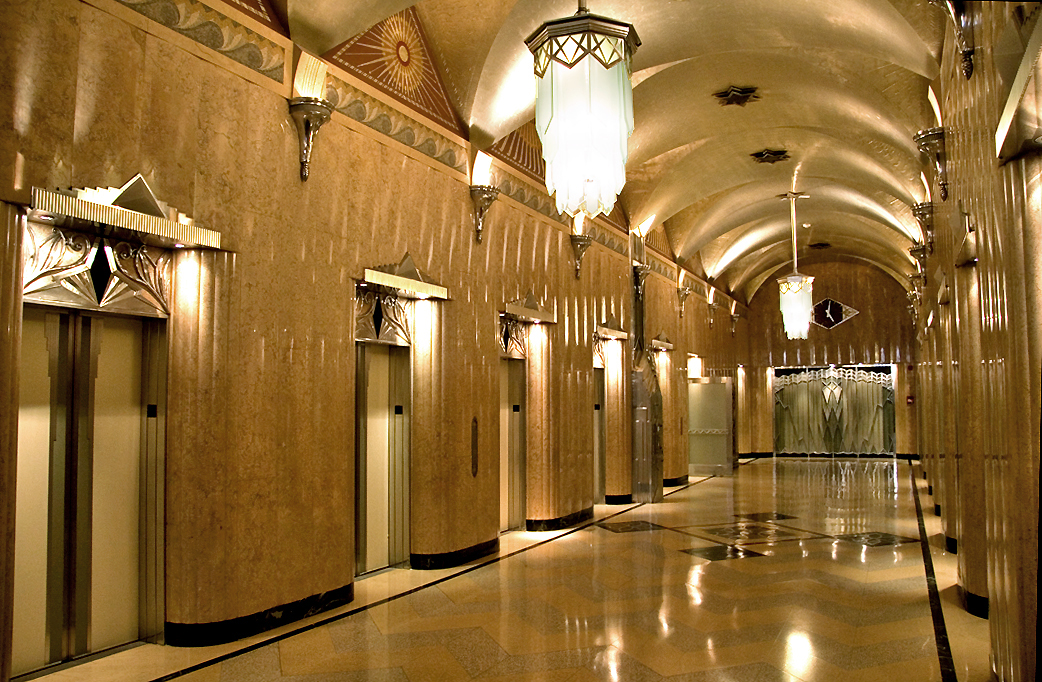
    This is the lobby of 570 Lexington Avenue, originally the RCA Building and later the GE building, one of the world’s finest Art Deco masterpieces. This small but exquisite and elegant lobby is one of my favorites in NYC – vaulted silver and terracotta ceilings, terrazzo floors, polished marble walls with mosaic wave frieze, reliefs of swords and electric bolts, lamps with aquamarine glass, and ornate nickel silver sconces. I love the elevators with the motifs above each – I understand that the elevator cabs inside are rosewood-paneled.
    The subtle lighting gives the lobby’s atmosphere a warm and wonderful feeling. I stop in anytime I am nearby. I recommend that you do also if you are in the neighborhood…


  • Crisis at Citicorp

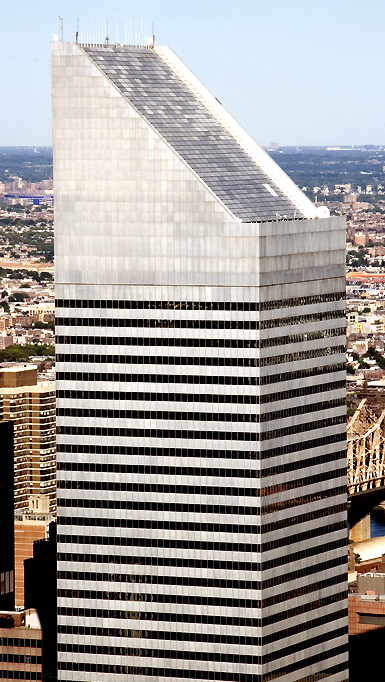
    In reading articles for this post, I came across an astounding story regarding the Citicorp Center. Built in 1978, this tower is one of the tallest in Manhattan and is considered one of the most important postwar structures in NYC. The building’s unusual design, with a nine story stilt-style base, allows it to cantilever over St. Peter’s Lutheran Church (Citicorp built a new church to replace the original, which had occupied much of the block).

    Very interesting, but here’s the real story – unknown to the general public until 1995, nearly 20 years later, unauthorized changes were made to the construction (bolted joints rather than welded). During construction, questions from an architecture student (about the stilt-style construction) prompted the structural engineer, LeMessurier, to recalculate the effects of the change to bolts. He discovered a fatal flaw – the design could not withstand the force of a 70 mph wind, an event which was predicted to occur on average every sixteen years. And, coincidentally a hurricane was approaching NYC. After contemplating suicide (really), he had meetings with the client – emergency repairs were made with workers working around the clock. Steel plates were welded over all 200 bolted joints to reinforce the structure. Read this excellent 1995 New Yorker article about the entire debacle here.

    By the way, the distinctive angled roof was originally designed for energy-saving solar panels, which were never installed.


  • Hearst Tower

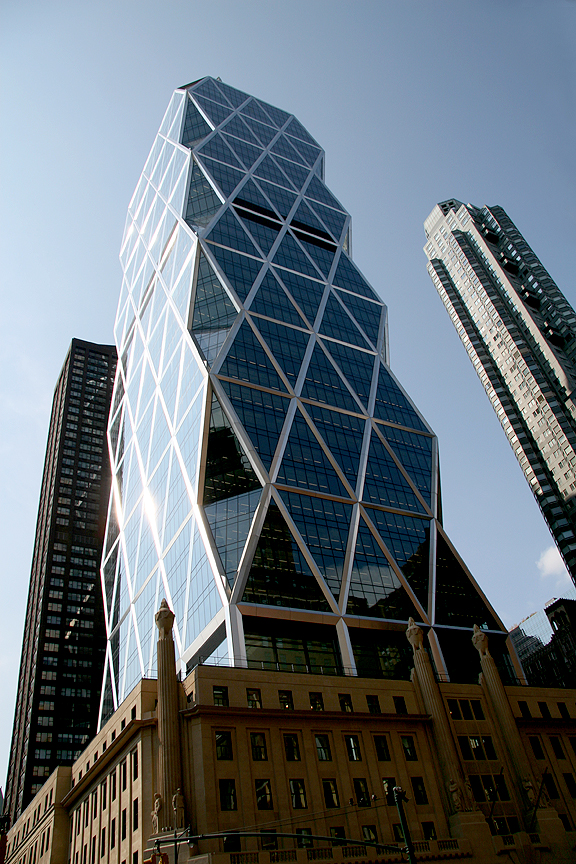
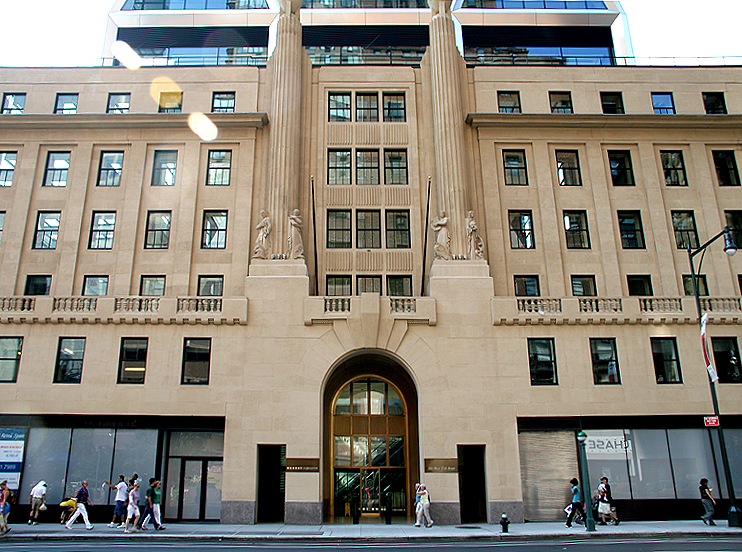
    The Hearst Tower (at Eighth Avenue and 57th Street) is world headquarters for the Hearst Corporation, a media conglomerate – they own newspapers, magazines and television networks. Architecturally, this building is notable for a number of reasons – the most obvious is its triangulated glass and faceted corners (or diagrid). The building was originally designed in 1927 as a six-story Art Deco structure (the Hearst Magazine Building) with limestone facade to house the magazines that William Randolph Hearst owned at the time. There were plans to add a tower, however, this did not come to fruition until May 2006, when the 42-story tower (designed by renowned architect Norman Foster) was added to the original limestone base.

    Note that the main entrance is flanked by statues: Comedy and Tragedy on the left and Music and Art on the right. Another distinguishing aspect of the new tower is its designation as a green building – built from recycled materials, operates with reduced energy requirements, is naturally ventilated, etc. For more photos, inside and out, check out this photo gallery.


  • Trumped Again

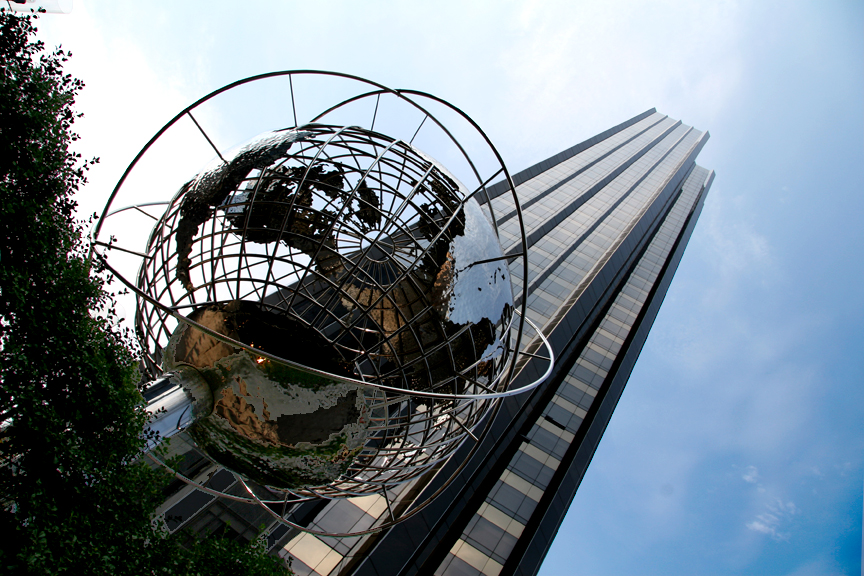
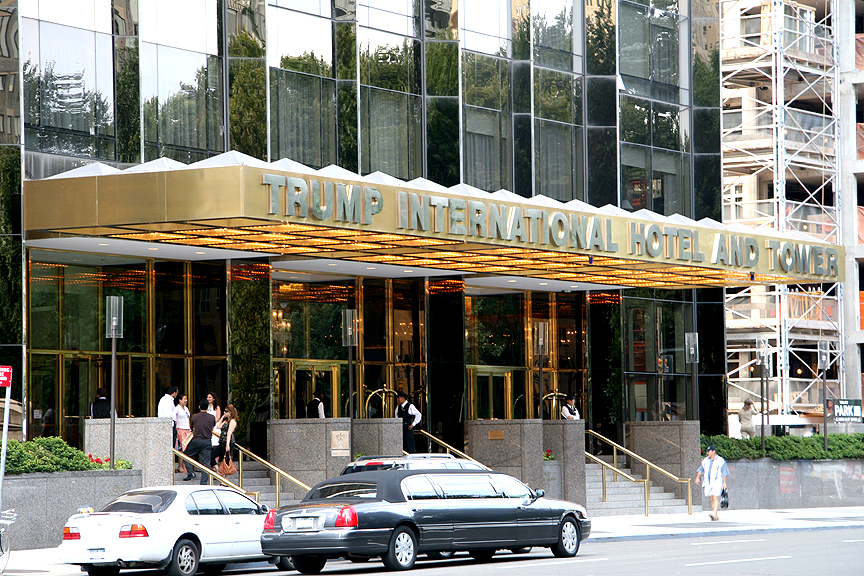
    Certainly The Donald (Trump) does not need anymore promotion – he’s done quite well, especially with his hit TV series, The Apprentice. From 1995 to 1997, he converted the former Gulf and Western Building, built in 1970. This previous building was rather unsuccessful with problems, one of which was its tendency to sway excessively on windy days (some occupants actually became seasick). Rather than rebuild from scratch (with zoning restrictions), Trump stripped the building to its steel skeleton and built the Trump International Tower and Hotel, shown in the photo (combination hotel and condominium), with its glitzy entrance and shiny accents (of course). See a 1994 NY Times article here.

    The address can’t be beat: One Central Park West, at Columbus Circle with views overlooking Central Park. The steel globe was designed by Kim Brandell. Trump’s presence permeates NYC, so for those who don’t relish his style, I must warn you – I don’t think he’ll be fired anytime soon 🙂


  • St. Patricks from the Rock

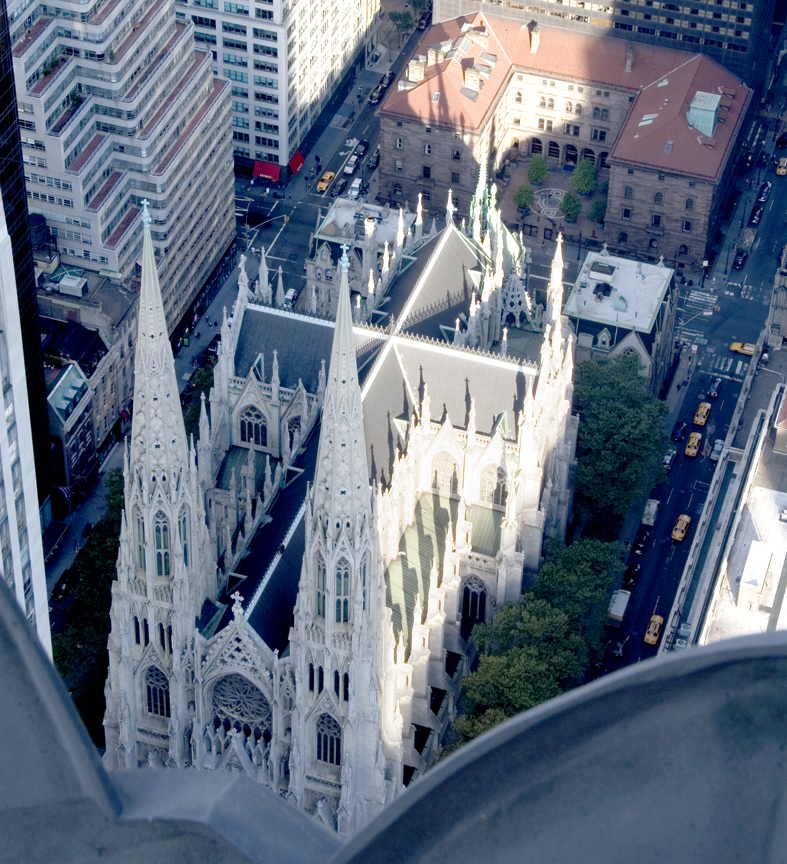
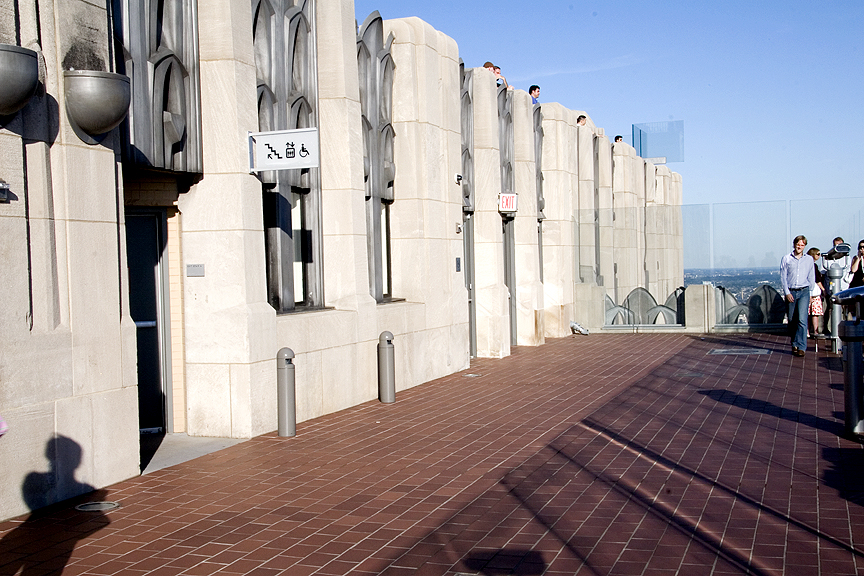
    This photo was taken from the recently reopened observation deck of Rockefeller Center now called Top of the Rock. Photography is challenging at the Rock – there are actually three observation decks. Two are surrounded by thick glass with spaces in between just large enough to squeeze a lens through. The third and uppermost deck (70th floor) is completely open, but set back, thereby preventing extreme downward shots (click here for a photo of the 69th floor deck – note the 70th floor deck on the upper left).

    In the photo facing East towards Fifth Avenue, you can see St. Patrick’s Cathedral (the subject of a future post) and behind it are the Villard Houses, a group of five brownstone mansions built in 1884 and attached to the New York Palace Hotel, built in 1980. I recommend the Rock Center deck – it’s open 365 days a year from 8AM to midnight, offering 360 degree views. Allow some time to enjoy…


  • Rose Reading Room

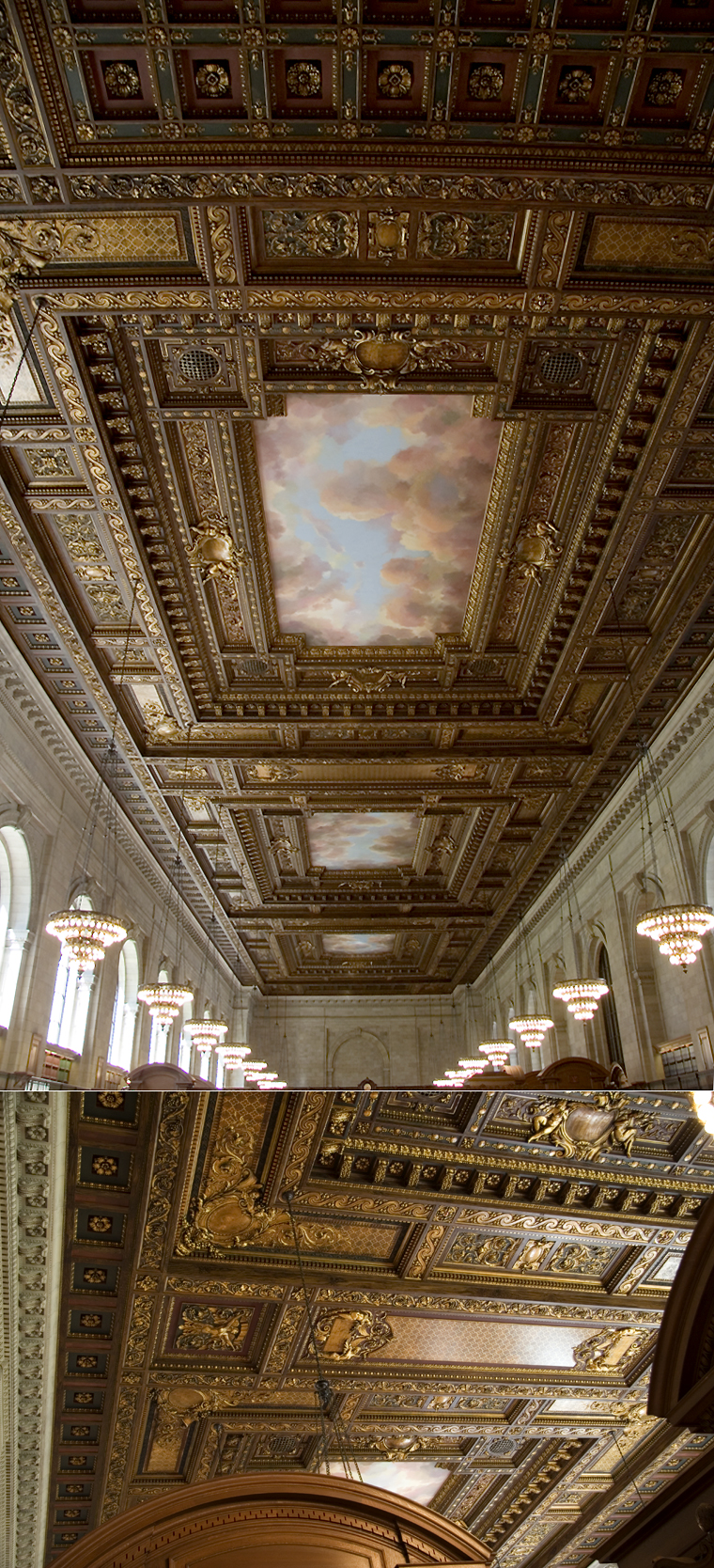
    The Rose Main Reading Room on the 3rd floor of the New York Public Library is one of the most spectacular rooms in the city and one of the world’s grandest interiors. However, over time, it fell into serious disrepair – the ceiling murals were barely discernible and windows remained blackened (done during World War II due to fear of air raids). A restoration was completed in 1998, with a 15 million dollar gift from the Rose family.

    The room is nearly two city blocks long (297 feet), 78 feet wide, and 51 feet high (note: this photo only shows one half of the room). It seats 636 people at its long oak tables with original bronze lamps and chandeliers. Here you can access 6 million books, 12 million manuscripts, and 2.8 million photos beneath magnificent ceilings with murals of blue sky and puffy clouds, inspired by Tiepolo and Tintoretto. See more photos here. This room is a must see for visitors and residents alike…


  • NYPL

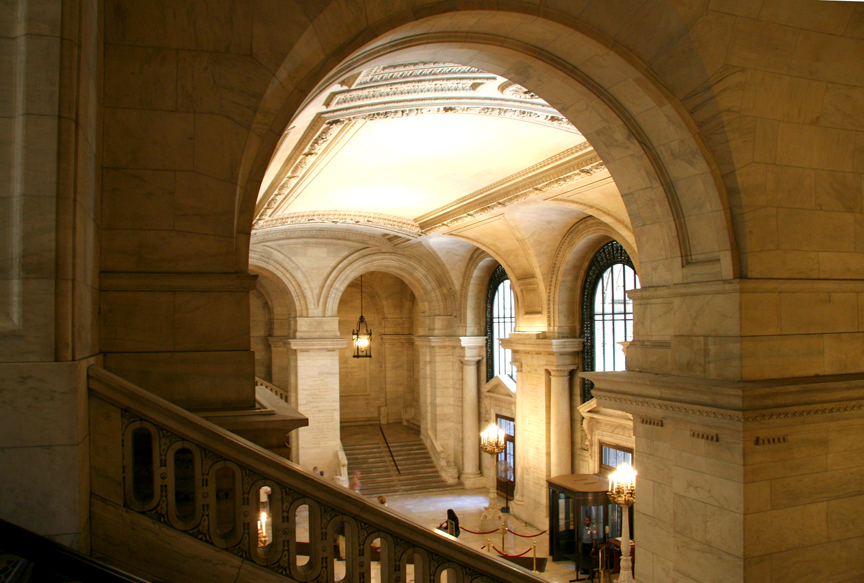
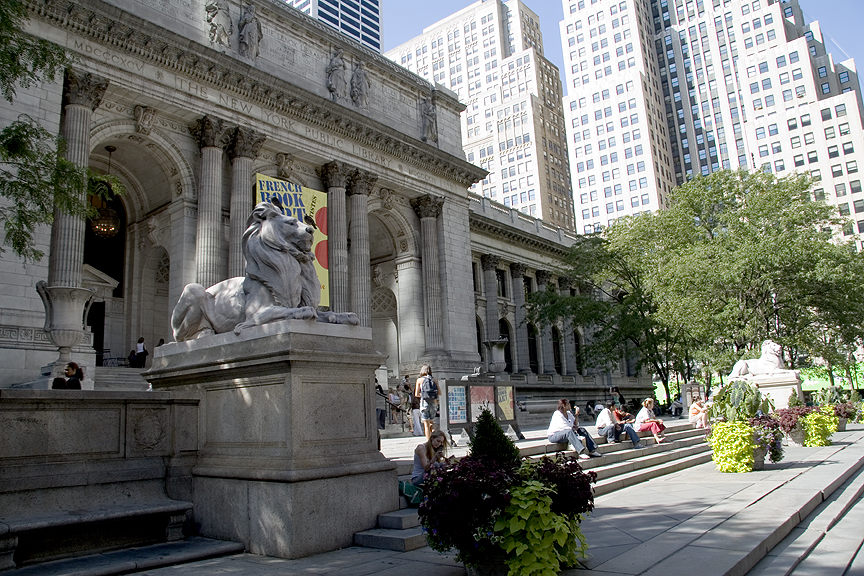
    No, this is not Paris or Italy. It’s the New York Public Library on Fifth Avenue in NYC, with its iconic set of lions flanking the entrance. The photo was taken from a stairwell looking down into the main lobby (click here for more photos). This majestic Beaux-Arts building replaced the Croton Reservoir (it took 2 years to dismantle) and became the largest marble project in the USA at its time – the entire project took 16 years from idea to completion (1895-1911). Its creation was the result of the consolidation of the two primary private libraries at the time: the Astor and Lenox (read a short history here at the NYPL’s website).

    In the 1980s, the library added 125,000 square feet of underground storage, which required the excavation of adjoining Bryant Park. I have found that this library is underappreciated by New Yorkers and tourists alike – I guess a library is not on the to-do list of the typical visitor. However, I highly recommend visiting it – it’s free, is centrally located, and one can get a good feel for it in a short visit…


  • Time Warner Center

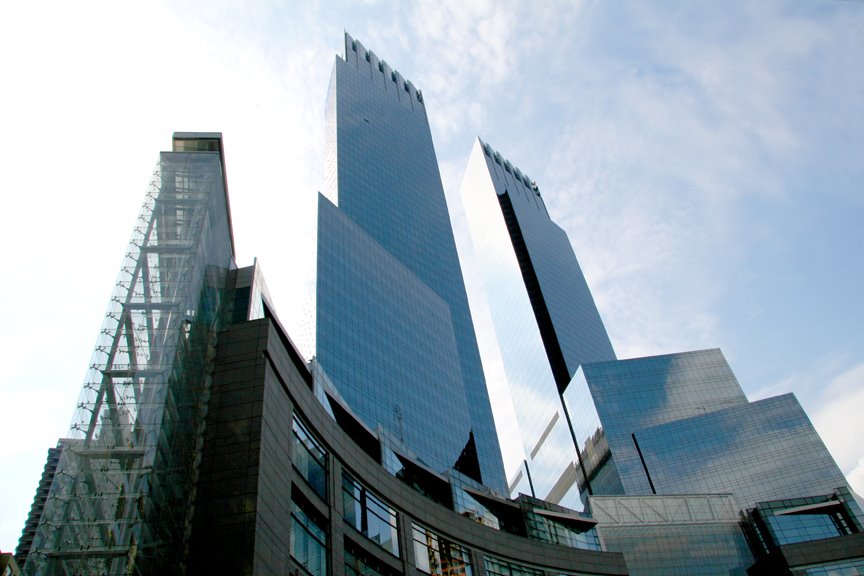
    This recently completed development, with its 750-foot towers, resides at Columbus Circle, an area which has posed design difficulties. It is an intersection for Central Park West and South, Eighth Avenue, and Broadway. It is the site of the former New York Coliseum building, a very unattractive structure built in 1954 and finally demolished in 2000. Click here for a photo history of the area.

    The battle amongst the many proposals was won by SOM (Skidmore, Owings & Merrill). The new glass and steel center consists of offices for Time Warner on the lower floors, a retail complex on the ground floor, the Mandarin Oriental Hotel on floors 34-54, Jazz at Lincoln Center, and One Central Park luxury condominiums, located on the upper floors. Click here for a New York Times article on the development.


  • Asaf and Yo’ah

    Public art is a great way to beautify our world and at the same time expose people to art who may not otherwise make an effort to see any. And when a work is somewhat unusual or provocative, it can draw people into the world of art/sculpture/architecture by stimulating discussions (e.g. the I.M. Pei pyramid at the Louvre in Paris).

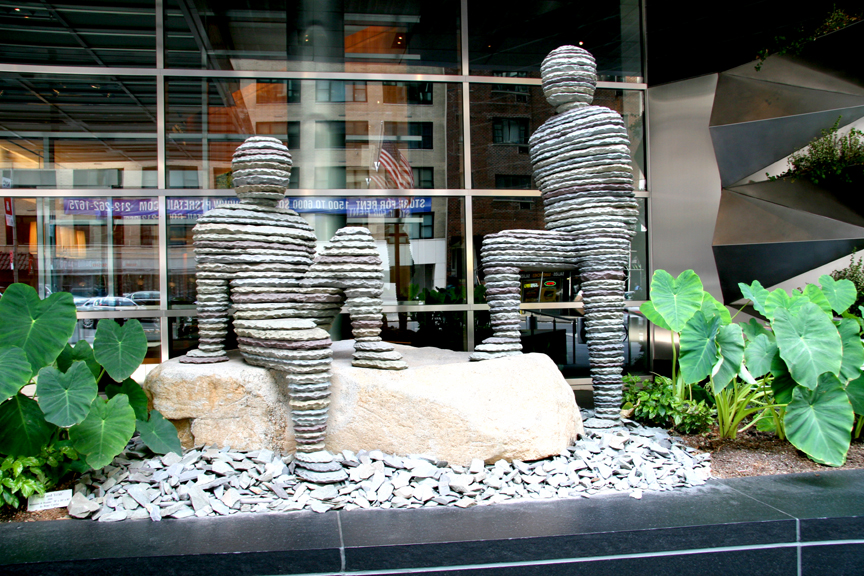
    The sculpture in the photo, Asaf and Yo’ah, is at the Time Warner center (click here for a side view of the work). The artist, Boaz Vaadia, is Israeli-born, and his works can be seen in art museums, galleries, and public spaces around the world. Much of the his work is done in bluestone trucked in from quarries in upstate New York. Check out his website, which also features tours of his studio in Brooklyn, NY


  • The Dakota

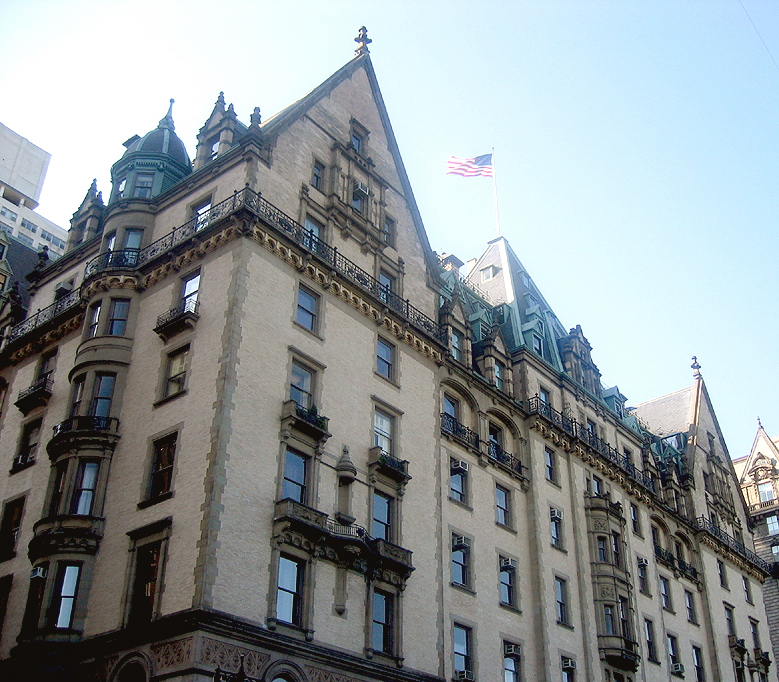
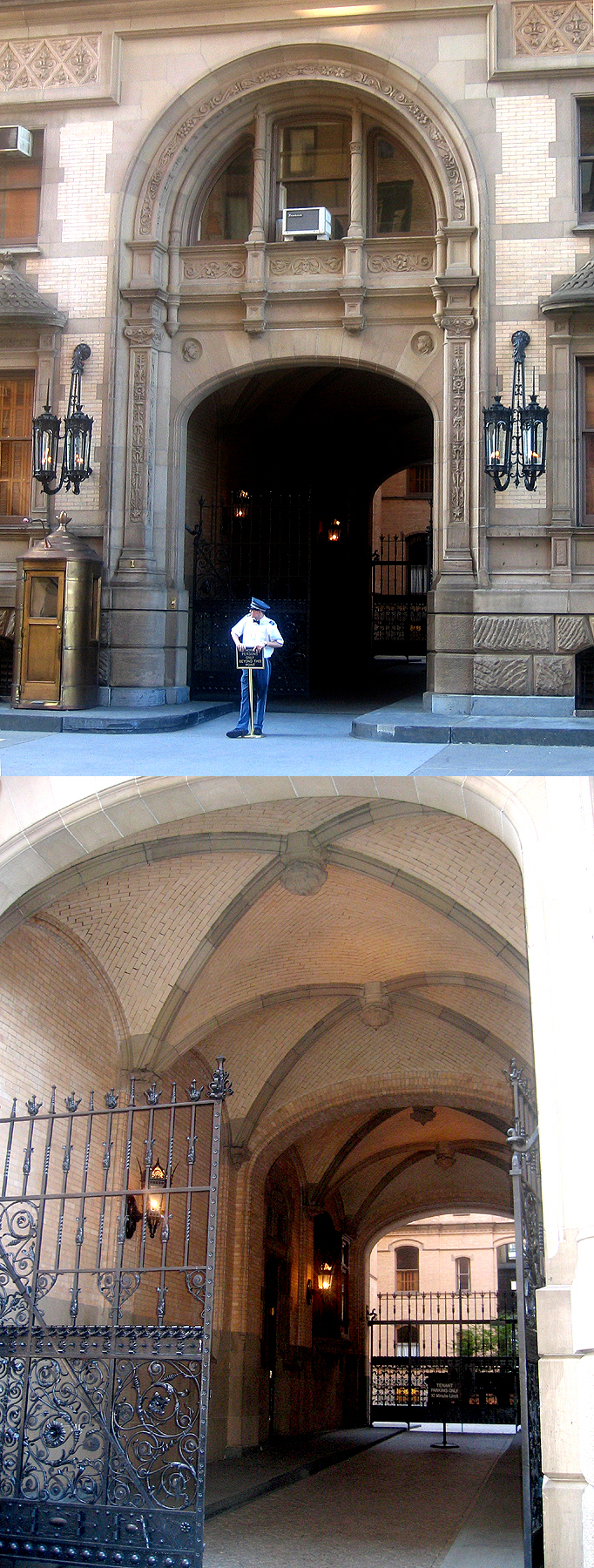
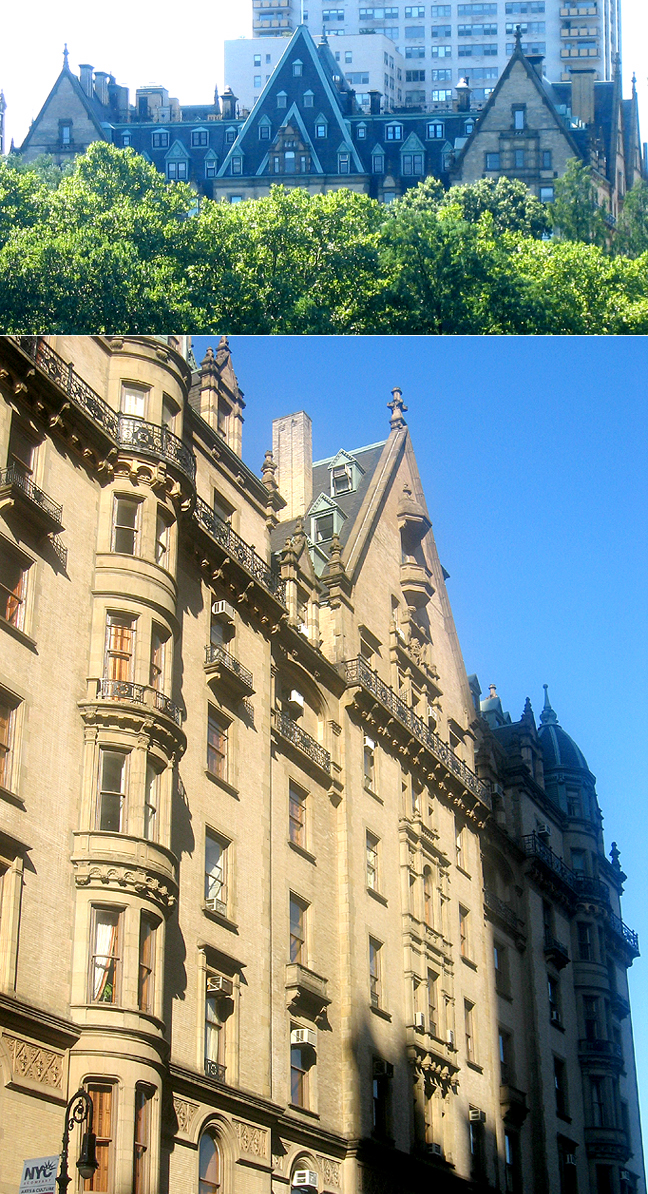
    At 72nd Street and Central Park West stands one New York’s most well known residences: The Dakota. For the few that did not know it, becoming John Lennon’s home and site of his murder in 1980 catapulted it to international status. Even a book has been written about it.

    Completed in 1884, folklore has it that it was named because, at the time, the area was as remote from NYC’s urban core as the Dakota Territory and thus known as Clark’s Folly (it was built for Edwin Clark, head of Singer Sewing Machine company, by architect Hardenbergh, who also designed the Plaza Hotel). It’s a spectacularly distinctive nine-story building with high gables, terracota spandrels and panels, balustrades, balconies, and a steeply pitched decorative slate and copper roof. It is built around a central courtyard with a large guarded entrance, originally designed to accommodate horse-drawn carriages. Based on Parisian models, the Dakota was a new concept in urban dwelling, with many affluent renters in one property with shared amenities. It was an immediate success and remains one of the most sought-after properties in NYC, with many celebrities in its roster. More photos here…

  • The Puck Building

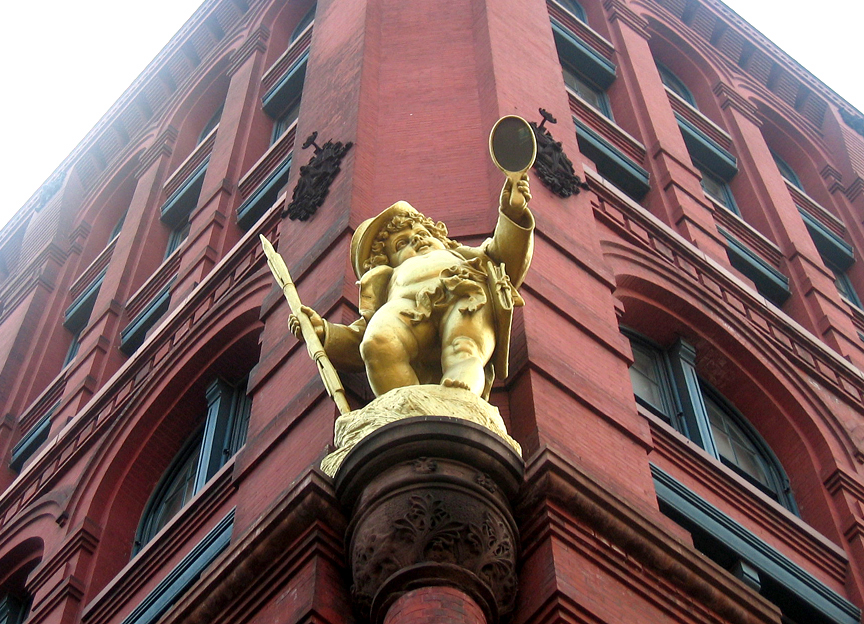
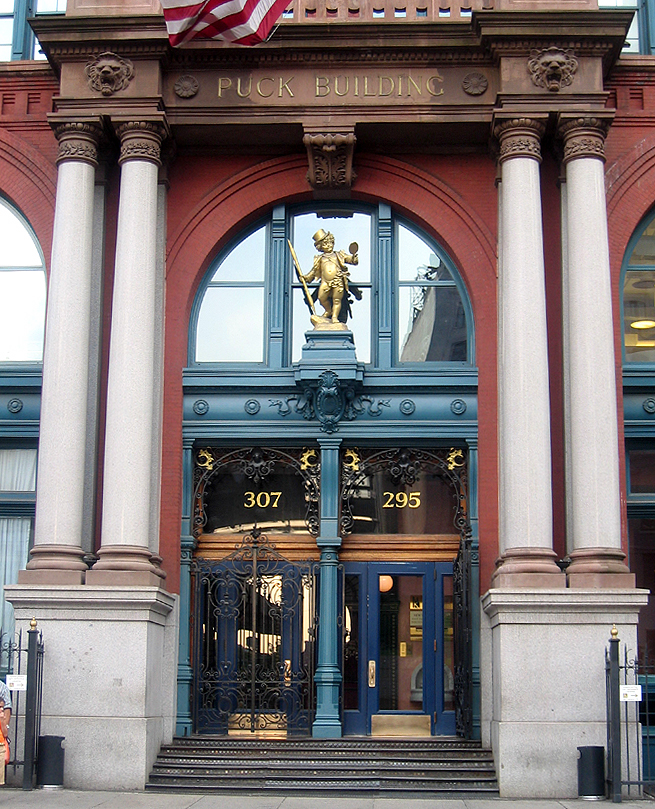
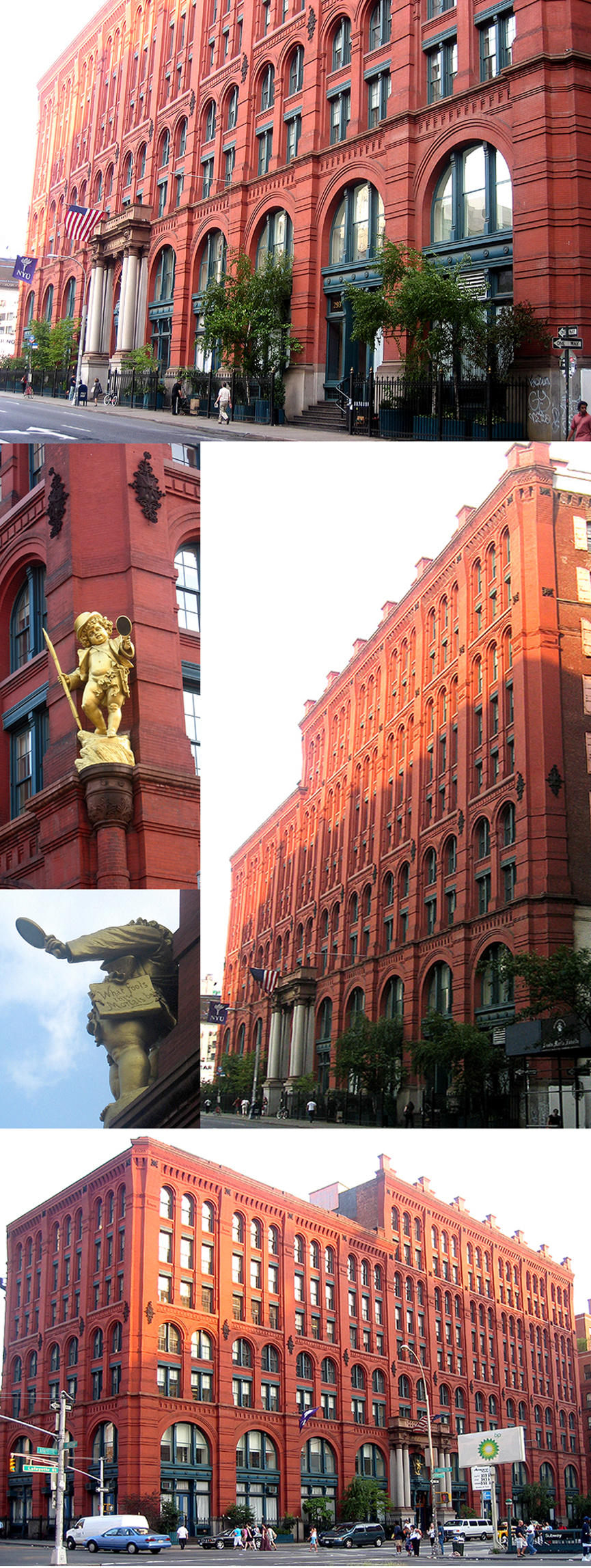
    The Puck Building is a landmarked Romanesque Revival structure which occupies a city block in SoHo. It was built in 1885 for the J. Ottman Lithographic Company and was home of the satirical Puck magazine from 1887 to 1916. At the time, it housed lithographic presses and its own electrical generators (still housed in the basement).

    There are two gilded figures of Shakespeare’s Puck, one shown above and one above the entrance. It is a magnificent and spectacular building with double rows of arched windows and vast interior sunlit spaces (see more photos here). The building has both office space and ballrooms used for public events – there is a Skylight Ballroom on the top floor and the Grand Ballroom on the ground floor (10,000 square feet with 20 foot ceilings.) The building has housed numerous tenants, including Spy Magazine, Pratt Institute, and NYU’s Wagner Center, currently its largest occupant. Click here for an excellent history and other info…


  • Bow Bridge

    Posted on by Brian Dubé

    The Bow Bridge in Central Park is considered one of the world’s most beautiful small bridges. It certainly is one of the most visited and photographed areas. The graceful arc spanning over the Lake with its boaters and surrounding green instills great calm in an intense city such as New York. It is always a pleasant surprise to happen upon such a magnificent structure while strolling through the park. Kudos to the designers!

    The official Central Park website has many images, and three really nice Quicktime panoramas: Spring/Summer, Fall, and Winter (update: no longer available). You can see the bridge and its surroundings in all the seasons. Here are more photos I took going over the bridge itself…

    Posted on by Brian Dubé

  • The Urban Glass House

    Posted on by Brian Dubé

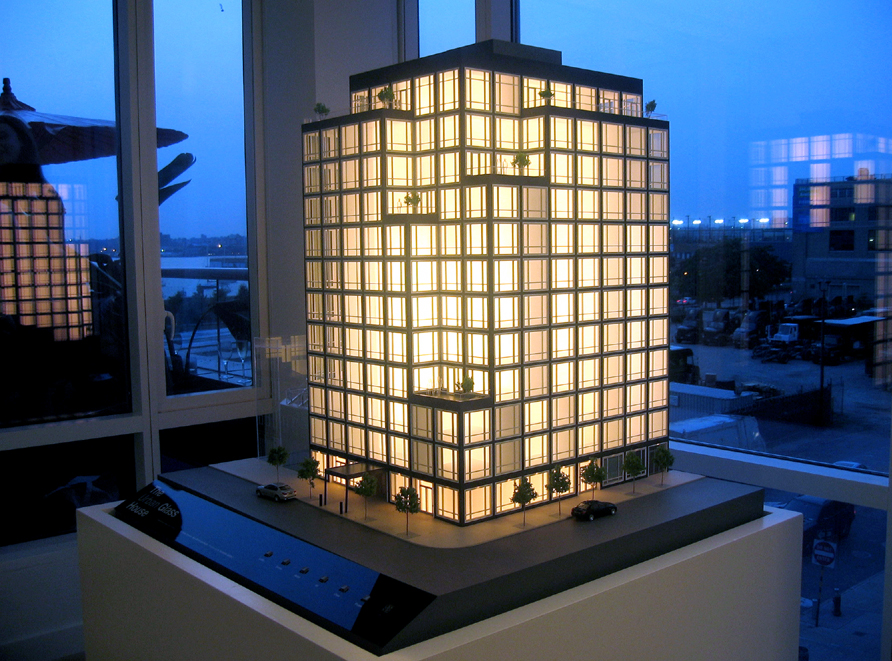
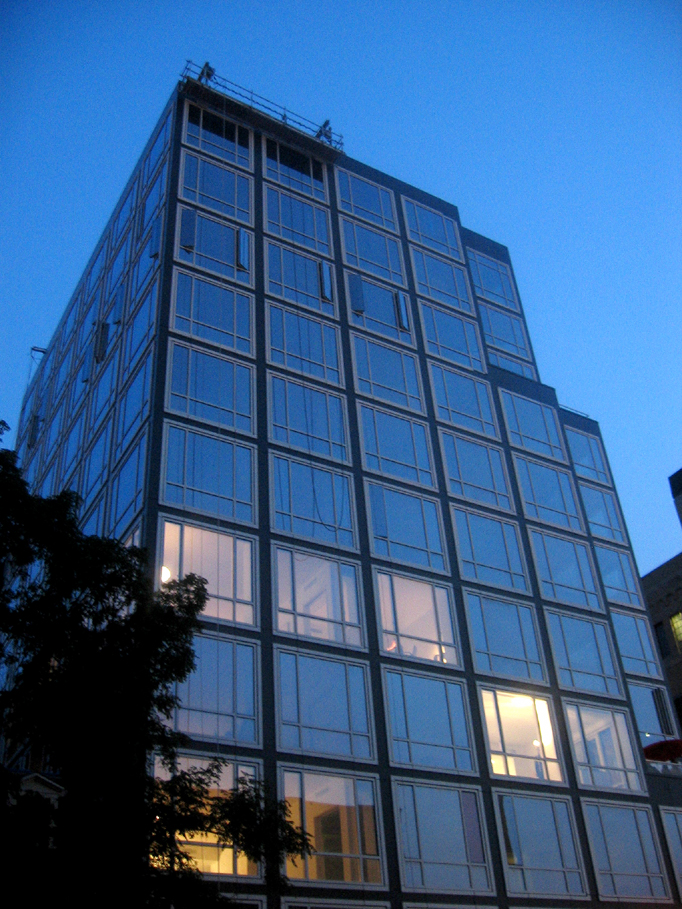
    The Urban Glass House, at 330 Spring Street, is another “starchitect” project. It was designed by Philip Johnson and partner Alan Ritchie. Last night, a soiree was put on to celebrate the completion of Johnson’s last project (Johnson died in January of 2005, before completion).
    The photo is actually of a model of the building on display in one of the apartments for sale. Here is a photo of the building from the street. The residential building is modeled after one of architecture’s most iconic structures – his Glass House in New Canaan, CT.

    There are a myriad of articles online on Johnson; here is one which I recommend, which profiles Johnson and his work. Just a few of his many credits: Lincoln center, Museum of Modern Art, Trump Tower, and Boston Public Library. Johnson was one of America’s most influential architects. I cannot begin to do justice to his life’s work here – I recommend some independent reading. More articles: a good bio here, another overview here.
    Oh, and prices for the apartments: about $2,000,000 to $10,000,000.

    Posted on by Brian Dubé

  • The Frick Collection

    Posted on by Brian Dubé

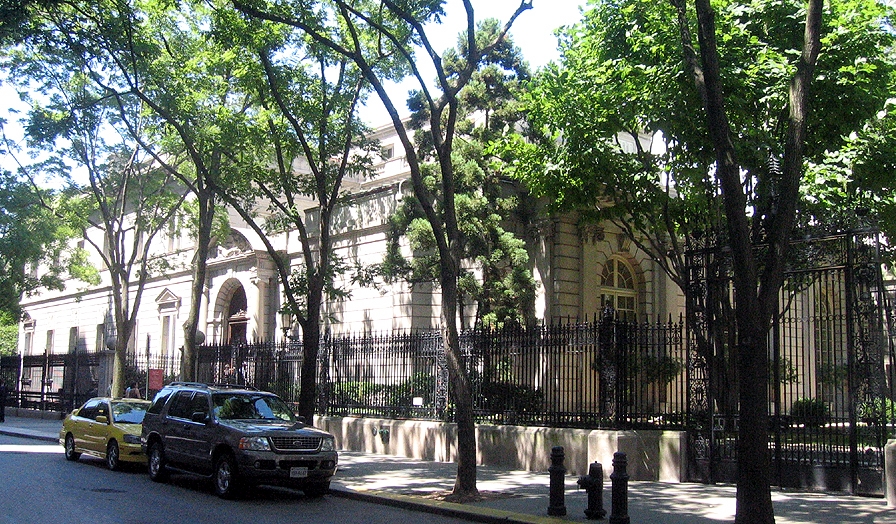
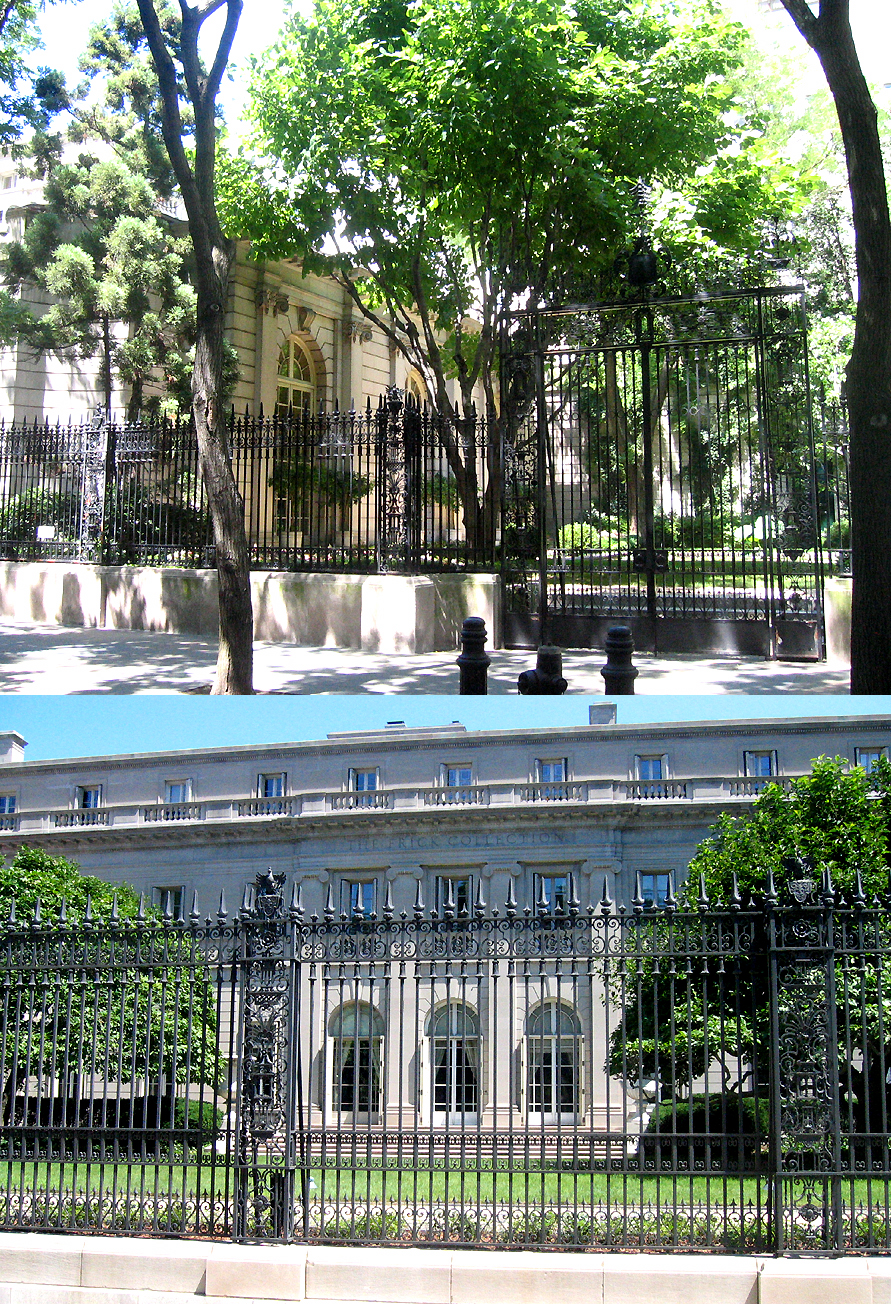
    The Frick Collection is one of the finest small art museums in the United States, located on Fifth Avenue at 70th Street, facing Central Park. The museum is housed in a mansion, built by the steel industrialist Henry Clay Frick, also an art collector. Since his time, both the collection and the building itself have been expanded. Although small, the collection is considered important, featuring many old European masters, as well as sculpture, porcelain, enamels, furniture, and carpets.

    The Frick has one of the nicest virtual tours I’ve seen – you can see the interior of the museum with its collections, zoom in on the art pieces, click on them, and get complete information on the work. In an adjoining building is the Frick Art Reference Library, a 13-story structure housing 300,000 books. They also run concerts and lectures – these small, intimate venues are great for the concert goer. The setting is beautiful; the building is surrounded by gardens

    Posted on by Brian Dubé


  • dinamic_sidebar 4 none

©2026 New York Daily Photo Entries (RSS) and Comments (RSS)  Raindrops Theme