• Category Archives Art and Sculpture
  • The Puck Building

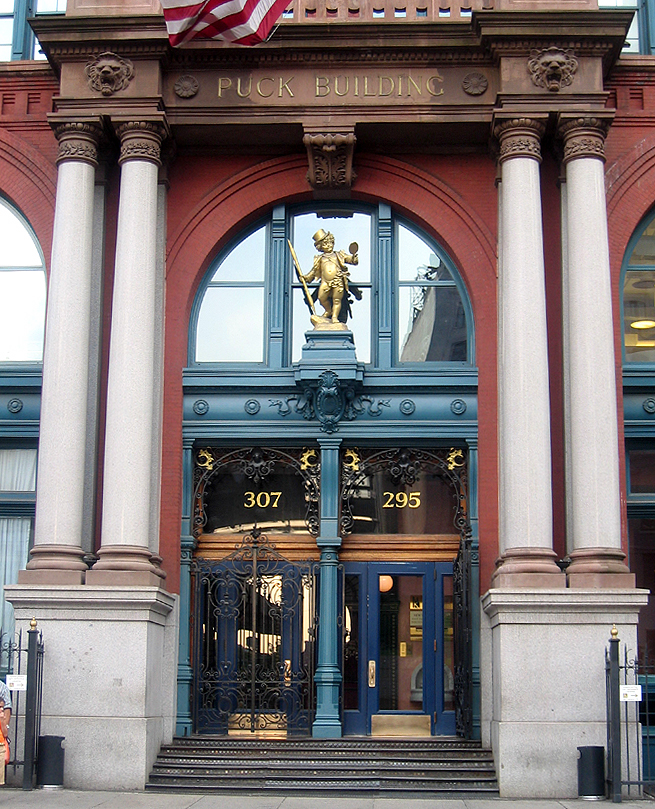
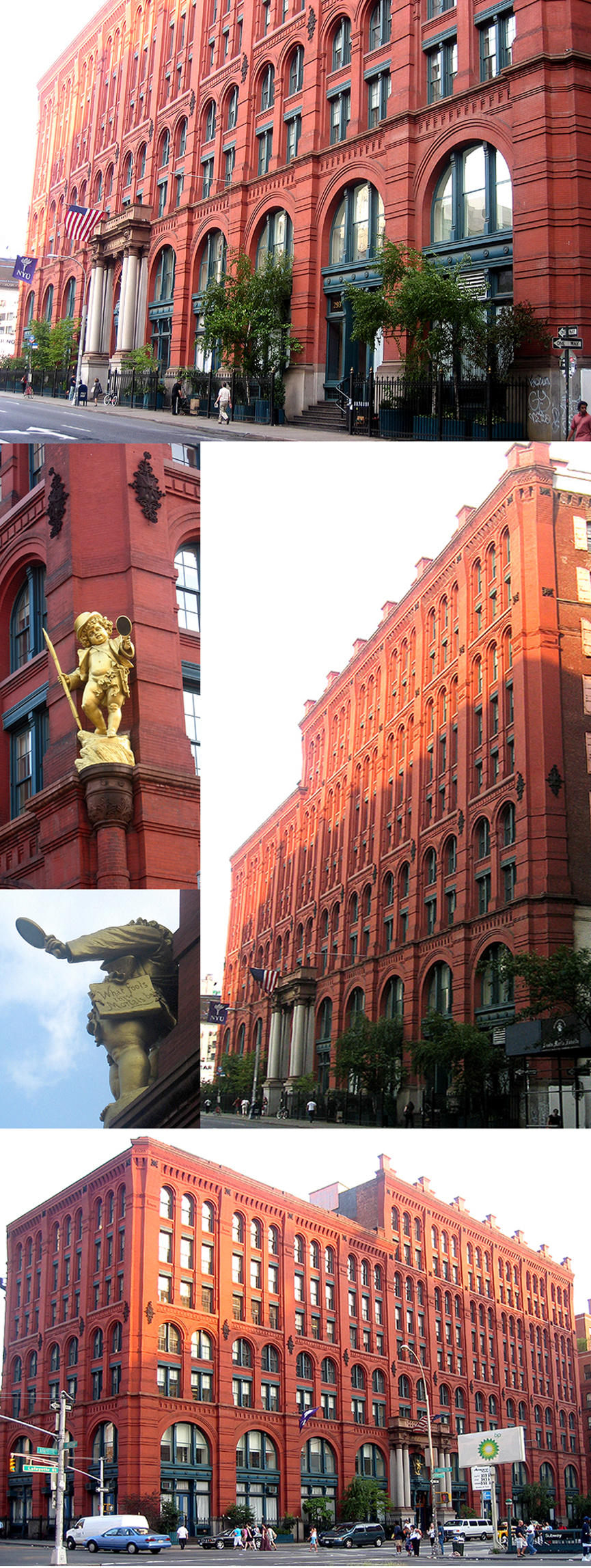
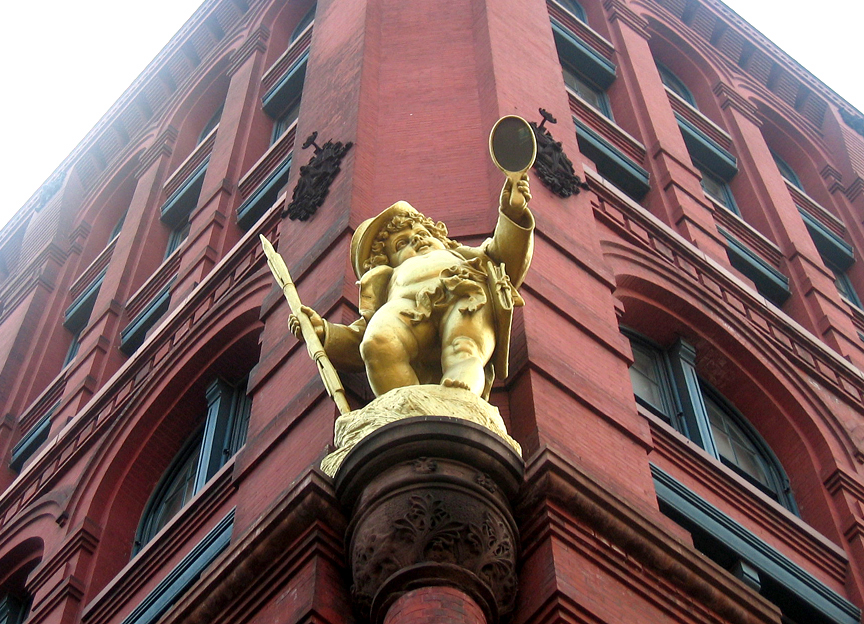
    The Puck Building is a landmarked Romanesque Revival structure which occupies a city block in SoHo. It was built in 1885 for the J. Ottman Lithographic Company and was home of the satirical Puck magazine from 1887 to 1916. At the time, it housed lithographic presses and its own electrical generators (still housed in the basement).

    There are two gilded figures of Shakespeare’s Puck, one shown above and one above the entrance. It is a magnificent and spectacular building with double rows of arched windows and vast interior sunlit spaces (see more photos here). The building has both office space and ballrooms used for public events – there is a Skylight Ballroom on the top floor and the Grand Ballroom on the ground floor (10,000 square feet with 20 foot ceilings.) The building has housed numerous tenants, including Spy Magazine, Pratt Institute, and NYU’s Wagner Center, currently its largest occupant. Click here for an excellent history and other info…
  • Bethesda Fountain and Terrace

    Posted on by Brian Dubé

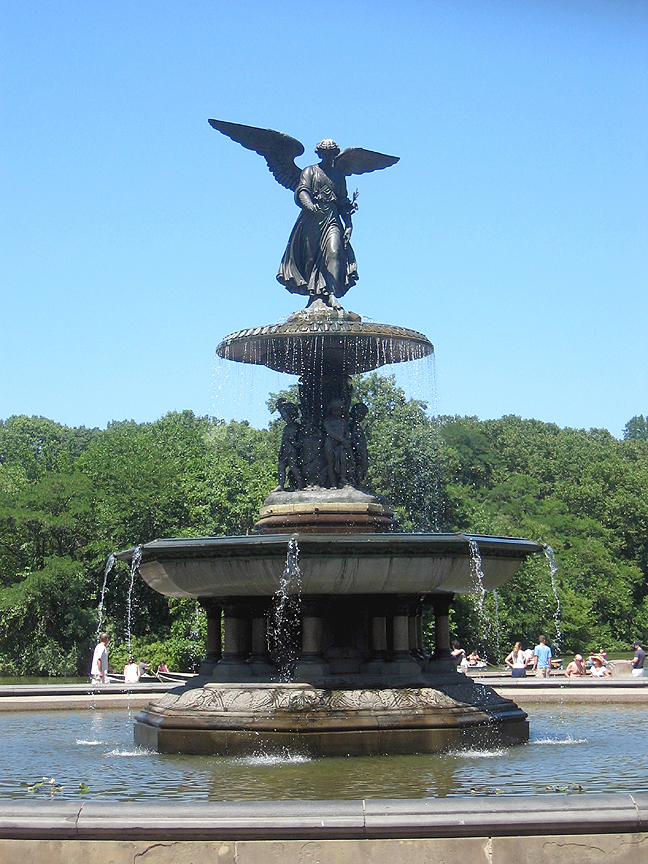
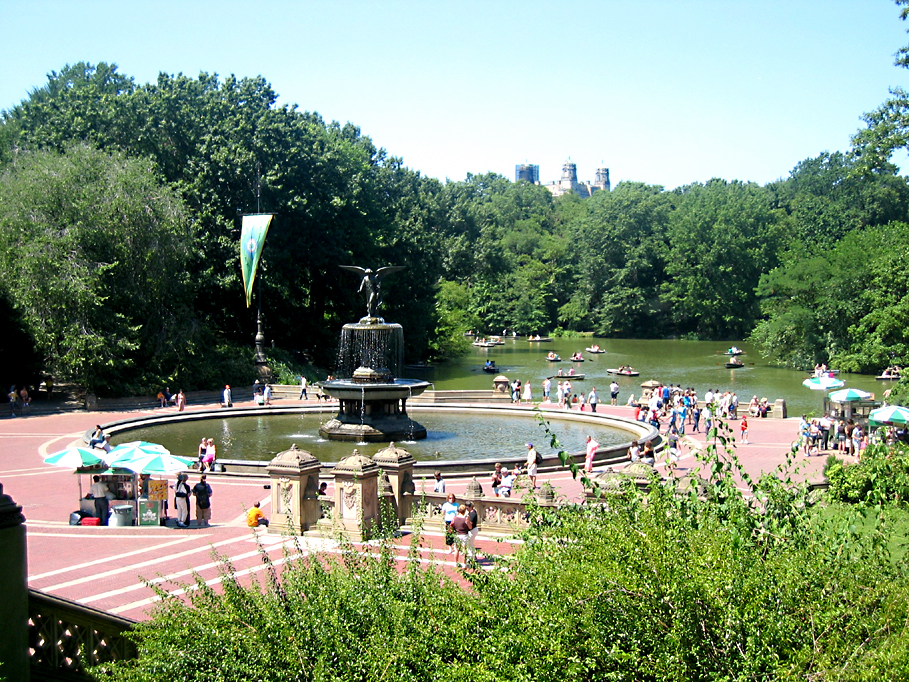
    Here we have one of the most photographed fountains in the world: Bethesda Fountain, which stands at the epicenter of Central Park. Officially known as the Angel of the Waters, it was dedicated in 1873. The artist’s brochure makes a reference to Bethesda (from a biblical verse from St. John), after which the fountain became popularly known. The winged figure symbolizes the bringing in of pure water to NYC after the Croton Aqueduct opened in 1842. The lily in her right hand represents purity; her other outreached hand blesses the water below. Click here for a closeup of the fountain with four cherubs below the angel, representing Peace, Health, Purity, and Temperance. Complete details about the fountain here.

    The fountain and terrace area stands at one end of the mall. In this photo, we are facing the Lake, with the wooded area known as the Ramble behind it. Click here for more on the Terrace itself, with photos and info…

    Posted on by Brian Dubé

  • The Urban Glass House

    Posted on by Brian Dubé

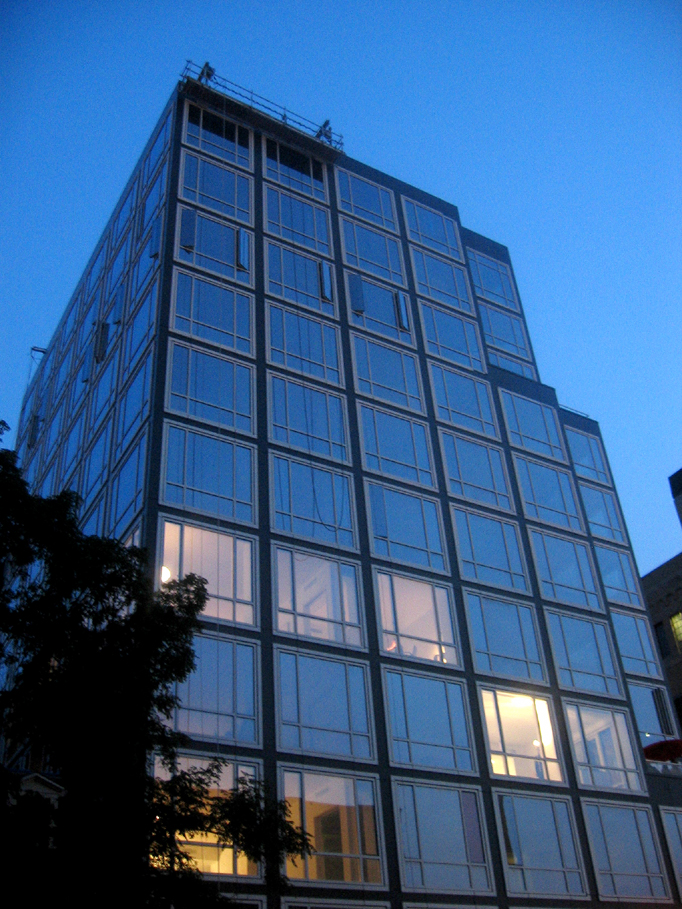
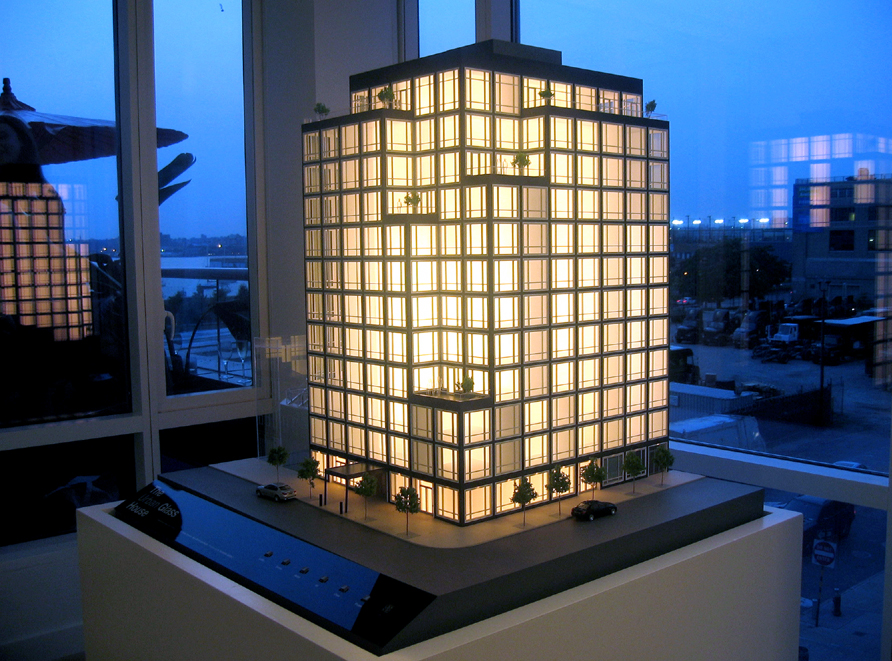
    The Urban Glass House, at 330 Spring Street, is another “starchitect” project. It was designed by Philip Johnson and partner Alan Ritchie. Last night, a soiree was put on to celebrate the completion of Johnson’s last project (Johnson died in January of 2005, before completion).
    The photo is actually of a model of the building on display in one of the apartments for sale. Here is a photo of the building from the street. The residential building is modeled after one of architecture’s most iconic structures – his Glass House in New Canaan, CT.

    There are a myriad of articles online on Johnson; here is one which I recommend, which profiles Johnson and his work. Just a few of his many credits: Lincoln center, Museum of Modern Art, Trump Tower, and Boston Public Library. Johnson was one of America’s most influential architects. I cannot begin to do justice to his life’s work here – I recommend some independent reading. More articles: a good bio here, another overview here.
    Oh, and prices for the apartments: about $2,000,000 to $10,000,000.

    Posted on by Brian Dubé

  • The Frick Collection

    Posted on by Brian Dubé

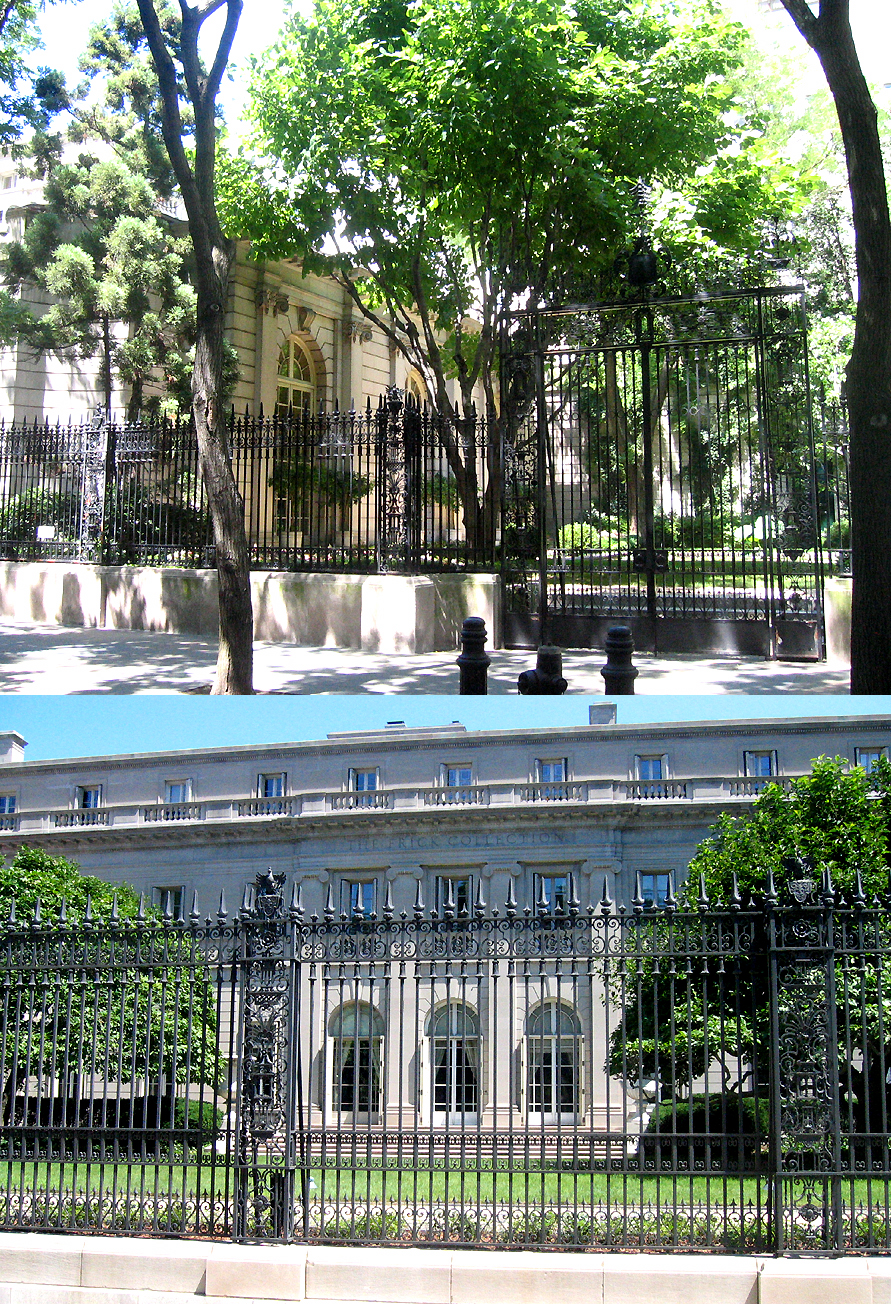
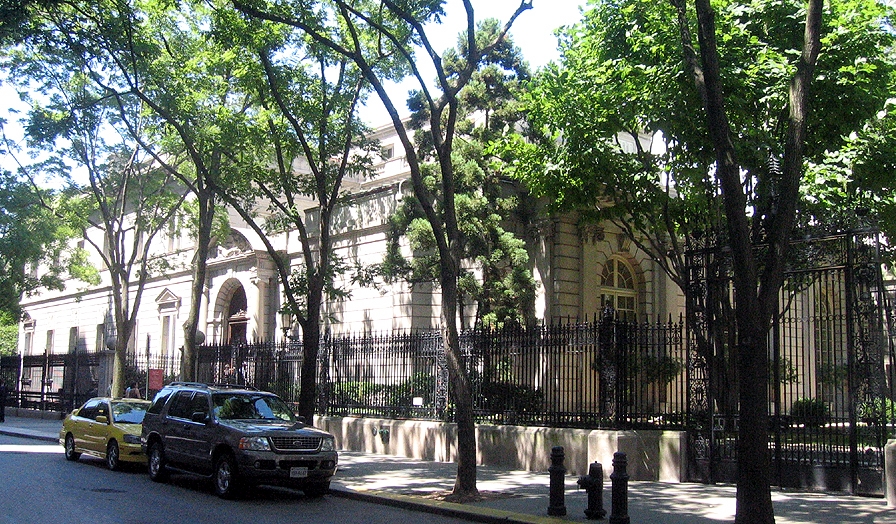
    The Frick Collection is one of the finest small art museums in the United States, located on Fifth Avenue at 70th Street, facing Central Park. The museum is housed in a mansion, built by the steel industrialist Henry Clay Frick, also an art collector. Since his time, both the collection and the building itself have been expanded. Although small, the collection is considered important, featuring many old European masters, as well as sculpture, porcelain, enamels, furniture, and carpets.

    The Frick has one of the nicest virtual tours I’ve seen – you can see the interior of the museum with its collections, zoom in on the art pieces, click on them, and get complete information on the work. In an adjoining building is the Frick Art Reference Library, a 13-story structure housing 300,000 books. They also run concerts and lectures – these small, intimate venues are great for the concert goer. The setting is beautiful; the building is surrounded by gardens

    Posted on by Brian Dubé

  • Strawberry Fields

    Posted on by Brian Dubé

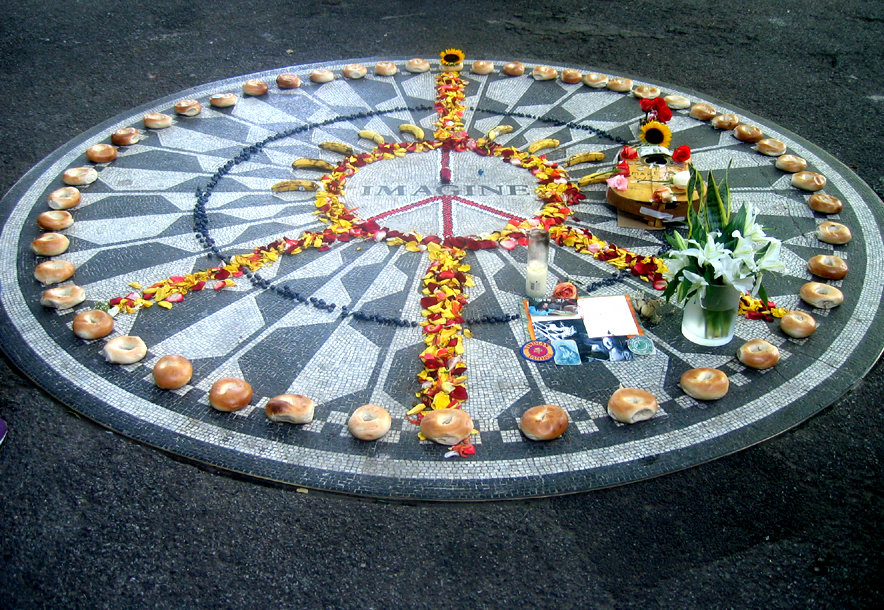
    In Central Park near the entrance at 72nd Street near the Dakota, John Lennon’s former residence, is an beautiful wooded landscape area called Strawberry Fields. It was named after one of John’s songs, Strawberry Fields Forever, in his honor (John was shot nearby outside of his home in 1980). The song’s title, by the way, hearkens back to John’s youth, where he played in the trees behind a Salvation Army orphanage called Strawberry Field.

    In 1985, Yoko Ono donated 2.5 million to relandscape and maintain the area. The focal point is a large mosaic, a reproduction of a work from Pompei, made as a gift by artisans from Naples, Italy. The only change was the center inscription, Imagine, the title of another of John’s songs. It is typical to find the mosaic adorned with flowers, candles, and other items, left by his fans. On the anniversary of his birth (October 9th) and death (December 8th), people typically gather in tribute at the site. There is also a bronze plaque, embedded in a stone outcropping, listing 121 countries endorsing the area as a garden of peace

    Posted on by Brian Dubé

  • Astor Place Cube

    Posted on by Brian Dubé

    Certainly one of the most prominent landmarks in Manhattan, the 15-foot cube at Astor Place has been a fixture since 1967, designed by Tony Rosenthal from Cor-Ten steel and officially named “Alamo”. It goes by many popular names and most commonly is just known as “the cube.”

    The all-black sculpture sits at a crossroads between the East and West Village at a major intersection: 4th Avenue, St Marks Place, 8th Street, and Lafayette Street, around which we find Cooper Union (background in the photo), theaters, the new Gwathmey building, and the Astor Place subway station. Its most distinguishing feature is its ability to be rotated, a source of endless fascination for passersby.

    The Cube’s prominent location and unique appearance has made it a planned and unplanned meeting place since it was installed. It became a major hangout for punks, students, skateboarders, etc. Its removal for repairs in March of 2005 was subject to many rumors and concerns. However, all were relieved when, in November 2005, the Cube was finally returned (NYC Parks press release here). Here is a final article with many details on this enduring and fascinating NYC icon.

    Posted on by Brian Dubé

  • Transparent Monument

    Posted on by Brian Dubé

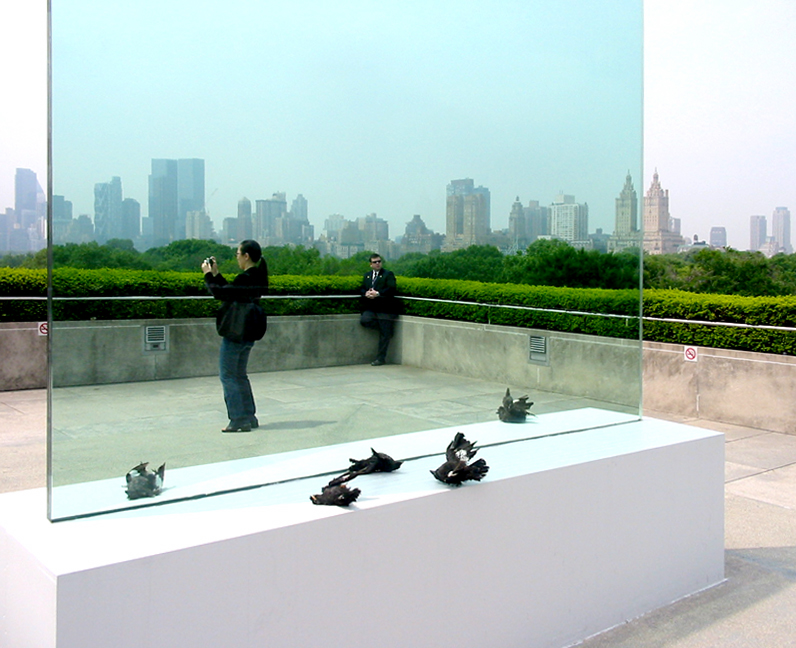
    The Metropolitan Museum rooftop gallery is showcasing the work of one artist, Cai Quo Qiang, whom we have posted about before (Move Along, Nothing to See Here), but he has more than one work exhibited. This piece, Transparent Monument, is a giant sheet of glass, at the base of which lie a number of exact replicas of dead birds. The implication is that they didn’t see the glass, were stopped dead, and slid down to the base. They appear to be either starlings or small crows. The birds seem like unfortunate victims of circumstance, killed while going about their business, by the intervention of some inexplicably placed man-made material, as so often happens in “real life”. [Another piece of his occurs every day at noon, when one of the guards fires a special gun which shoots a cloud of black smoke into the sky that slowly dissipates at a rate determined by the atmospheric conditions. It gives a very ephemeral feeling to the whole concept of watching whatever happens before you in life.]

    Even in this current heat wave alternating with thunderstorms we have had lately, the rooftop garden gallery at the Met is a good place to go to step out of the busy, crowded, humid atmosphere in the streets and have your thoughts played with by this artist…

    Posted on by Brian Dubé

  • Statue of Liberty

    Posted on by Brian Dubé

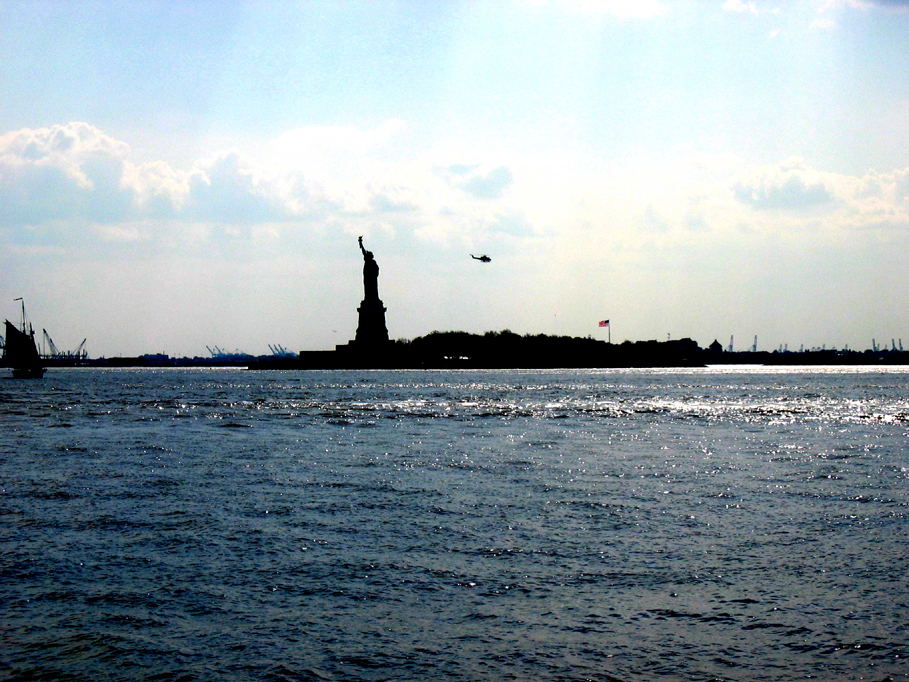
    This view of the Statue of Liberty (with New Jersey behind it) was from the Staten Island Ferry. There are many ferries to various islands in the NYC waters, as well as numerous sightseeing boat excursions. We recommend them, both for their destinations and the views in transit. During the day or at sunset, the views of the city are always rewarding.

    The respite from the city’s intensity is a welcome break – being in the presence of water is so soothing and powerful. The Statue of Liberty is always so inspiring, even to the perpetual cynic. And let us not forget that it was a gift from France – thank you!

    Posted on by Brian Dubé

  • Cooper Union

    Posted on by Brian Dubé

    Cooper Union is an institution which has been important in American history – Abraham Lincoln spoke and debated here many times, and they often hold political debates and discussions in the Great Hall of the building nowadays too, along with concerts and other cultural services to the city. The beginnings of the labor union movement and women’s right to vote also found their forum here.

    It was founded by a philanthropist during the Civil War era. It is a fixture of the downtown Astor Place area, the students who attend flavoring the surrounding area of the East Village. As a college, it is very unique – it is completely tuition free to all the students; however, they must pass its very rigorous admissions process. There are only three areas of study: art, architecture, and engineering. The brooding dark brown Victorian building exerts an influence all around it, politically, aesthetically, and socially. Read more on Wikipedia…

    Posted on by Brian Dubé

  • One Hour

    Posted on by Brian Dubé

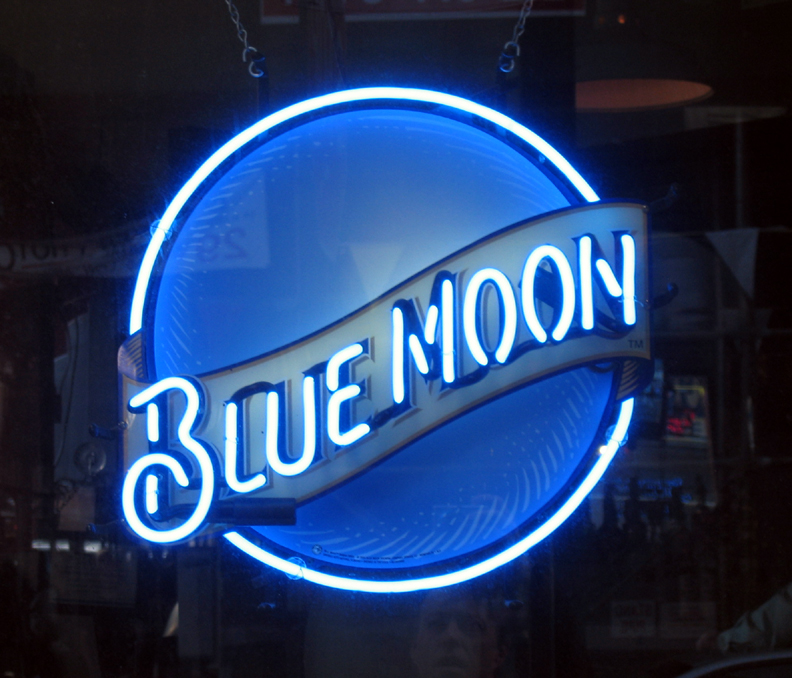
    There are many different little neon signs in store windows around the city, and we both like them very much. They usually just take something simple, like a phrase or a name, and make them seem very important and festive. Hopefully this is not a technology that will be falling by the wayside anytime soon.

    One Hour is like a two-word poem, and we thought the reflections gave it even more dimension, in combination with it hanging on the transparent glass. Blue Moon is nice too, title of a song…we intend to show more of these in the future…

    Posted on by Brian Dubé

  • Alice in Central Park

    Posted on by Brian Dubé

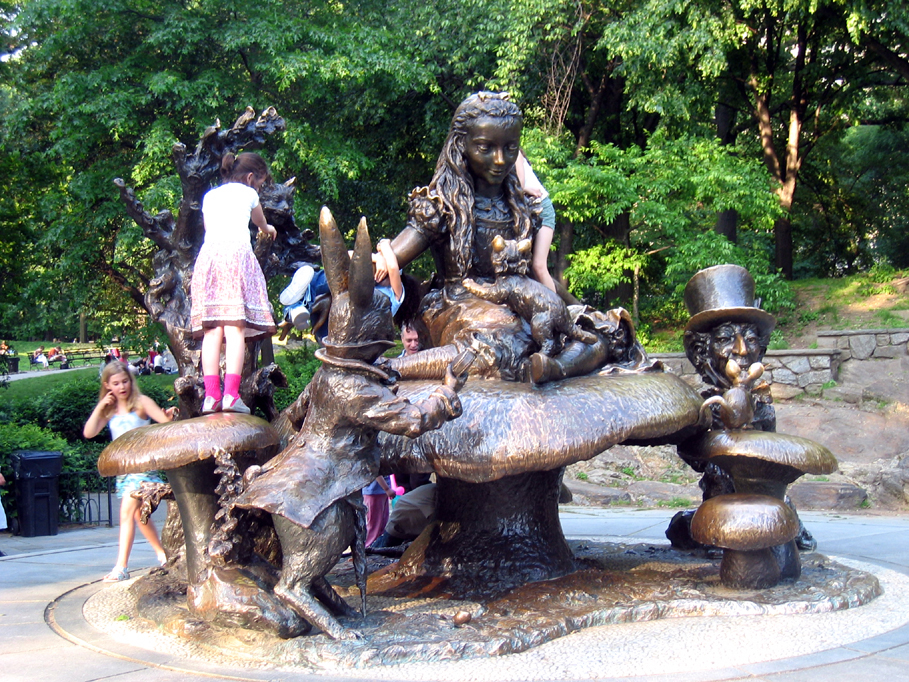
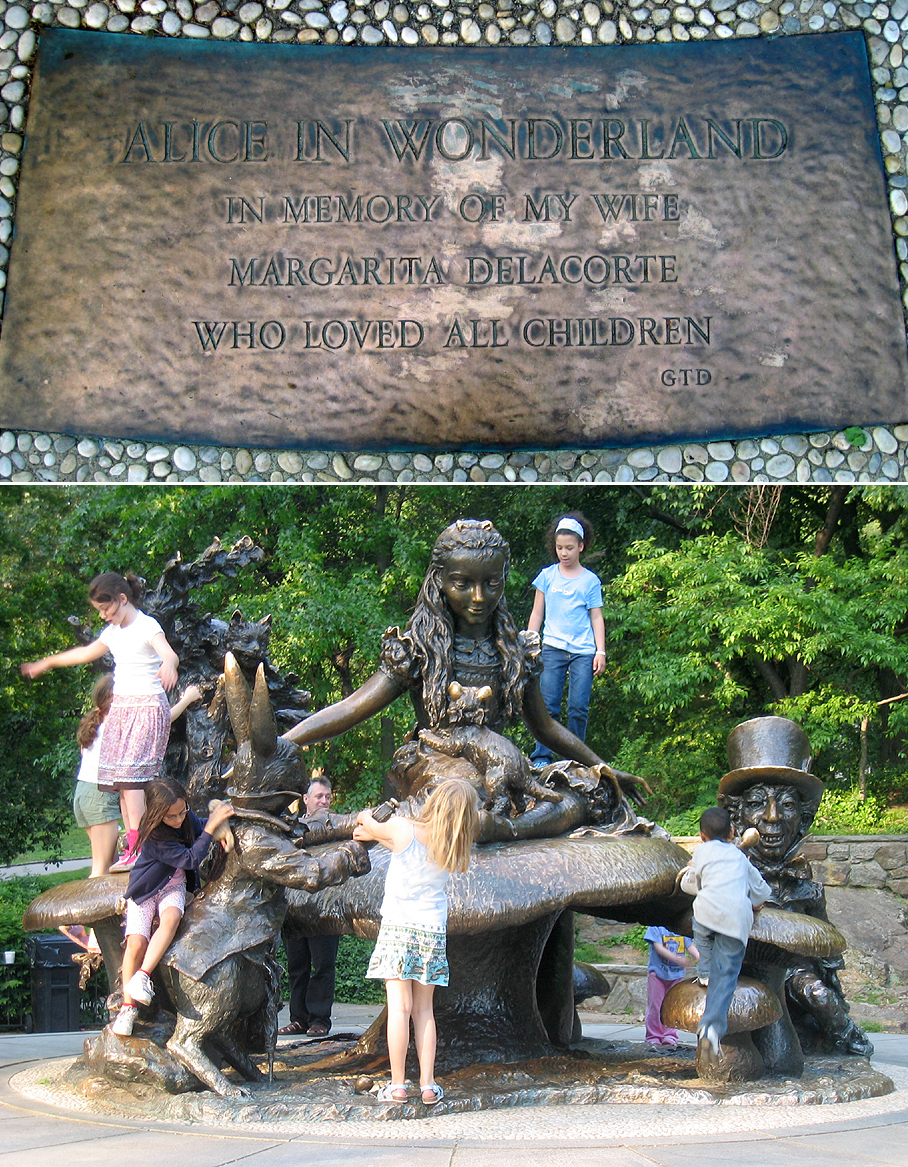
    The Alice in Wonderland statue may well be the most popular and heavily used statue in Central Park. It is made for children to climb on, and they do. The different textures and levels were designed to be soothing and have become rubbed smooth by many small hands.

    This day was like all the other nice weather days, the statue decorated with many many children climbing like monkeys or finding a spot to sit, be still, and experience oneness with the essence of Alice in Wonderland, even if they have never heard of her. And if, by chance, you have not heard of her (she is popular in the primarily English speaking world), here is a link to her story. Many people count it as their favorite book and find hidden meanings in all the details of its very complex and imaginative alternate world. More photos...

    Posted on by Brian Dubé

  • Totem

    Posted on by Brian Dubé

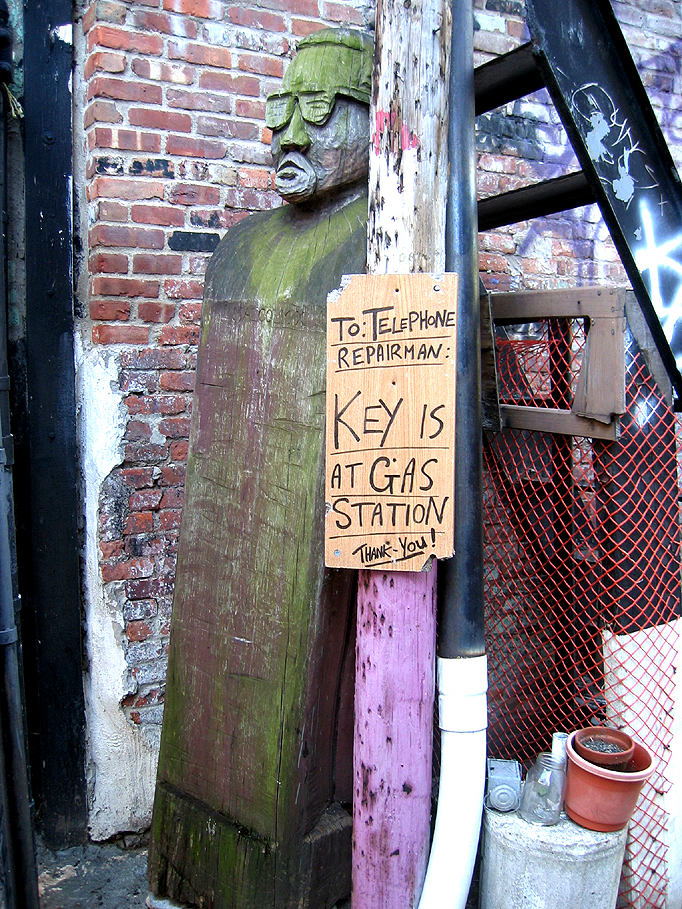
    For graffiti Sunday, we have a view into a parking lot on a small street in the East Village, where it seems that a lot of different objects are being saved for some yet-to-be-determined future use.
    The graffiti against the wall and up the iron stair is pretty indecipherable as writing, but the visual impact of the glowing color seems to tie everything together into a worn collage made of “found” objects. Almost like an art installation put together with elements hoarded by the neighborhood.

    Posted on by Brian Dubé

  • Move Along, Nothing to See Here

    Posted on by Brian Dubé

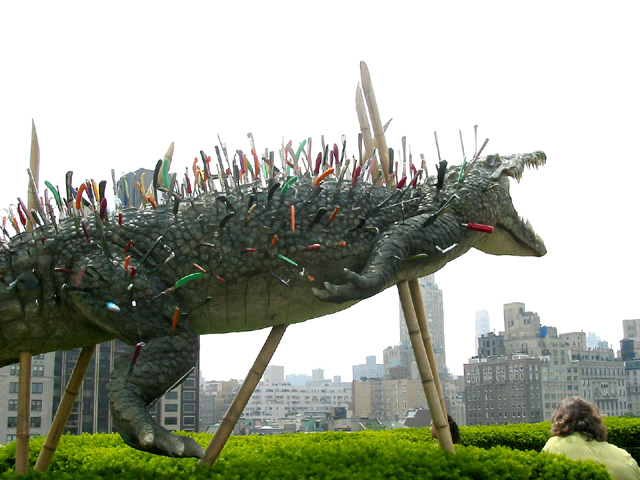
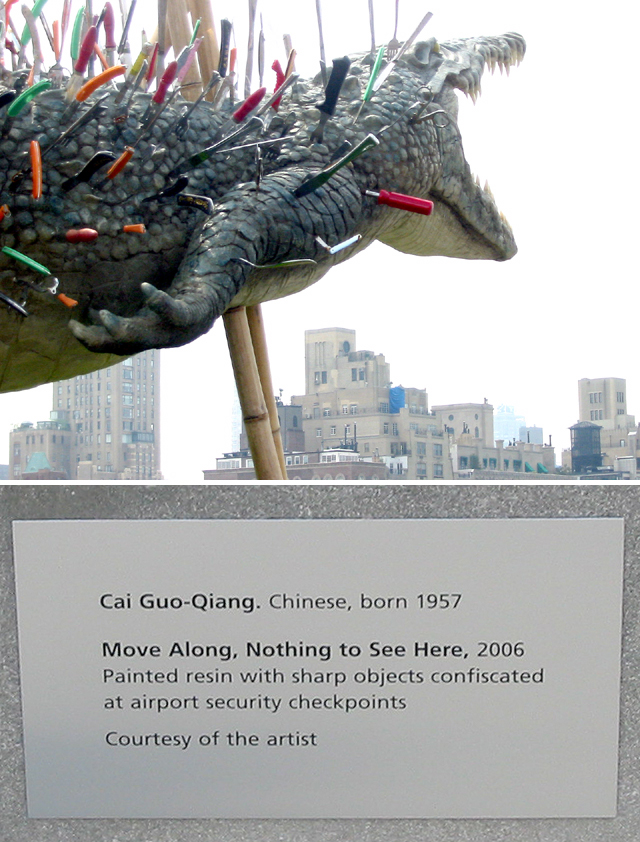
    On the roof garden of the Metropolitan Museum of Art, we have a continuation of the previous post on the theme of cruelty to reptiles in NYC. This sculpture, Move Along, Nothing to See Here by Cai Guo-Qiang, is one of two life-size crocodiles suspended on bamboo poles overlooking Central Park, with the exclusive residential buildings of Central Park West as a backdrop. They are stuck with sharp objects actually confiscated by airport security. Closeup photo here.

    There are many different ways to view this piece, so we will leave its interpretation to you. This roof garden is open late Fridays and Saturdays, and is something of a singles scene. Drinks are served…

    Posted on by Brian Dubé

  • ABC No Rio

    Posted on by Brian Dubé


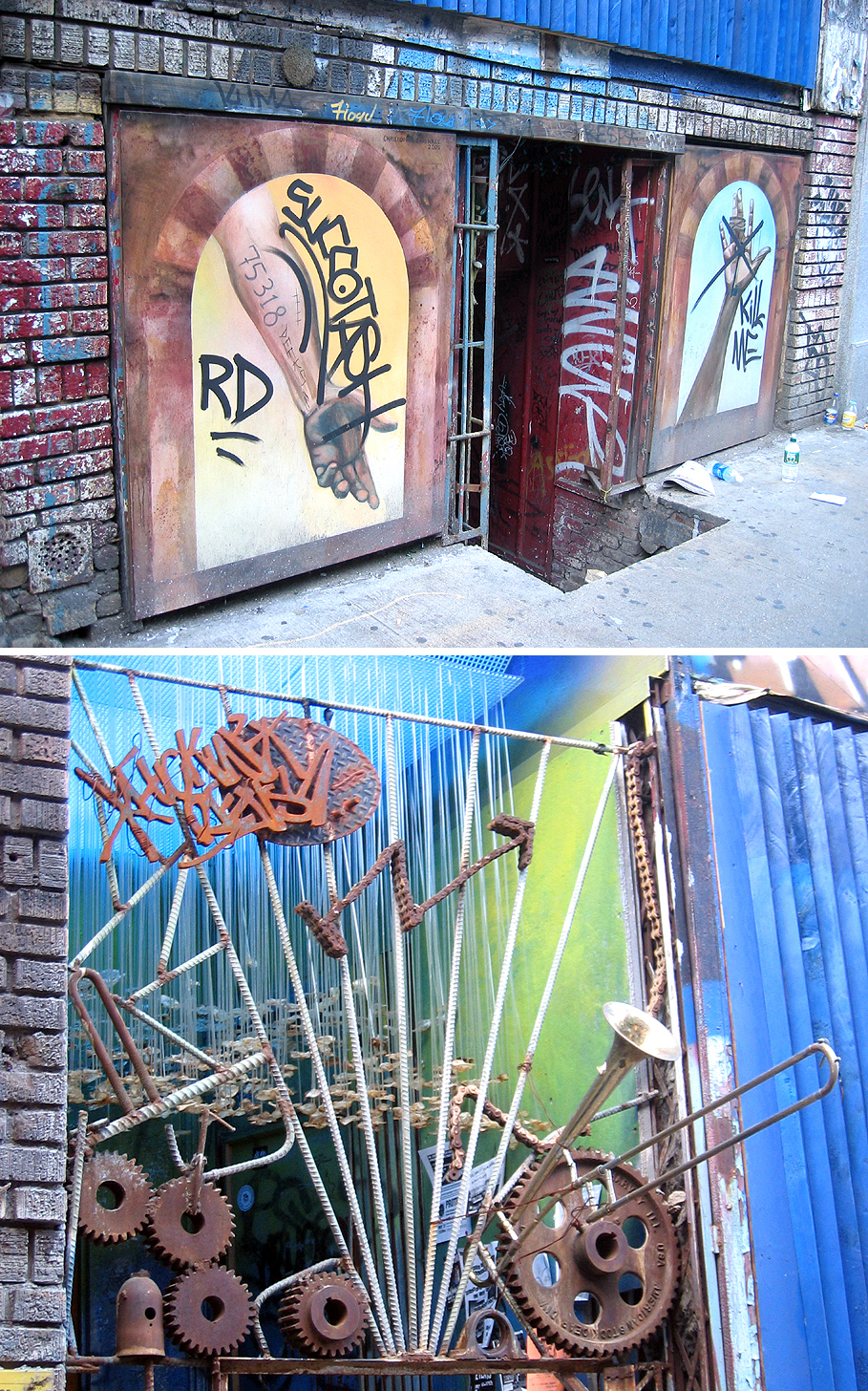
    This was taken in front of ABC No Rio, a large artist’s collective on Rivington Street, well-known for decades for political activism and its drive to be a community social center, combining art, music, poetry, and intense activism on many political and economic issues affecting local residents. They have been one of the major centers for the performance of spoken word/poetry slams and host a regular weekend matinee show of indie punk thrash metal music, amongst many other activities. We were passing by during one of the concerts and we could hear the music a block away.

    They are surrounded by the changing demographic of the neighborhood, which is now becoming a place of fashionable and expensive restaurants and designer stores, in spite of the deliberately grungy aesthetic that is embraced. The front of the building, whose ownership has been in dispute all along, is decorated with salvaged metal parts and murals depicting moments of nihilistic despair, somewhat ironic because the general aims of the organization are very optimistic – art studio access for everyone, fair and affordable housing, and educational outreach to the unfortunate, such as prisoners. More photos here…

    Posted on by Brian Dubé

  • Graffiti

    Posted on by Brian Dubé


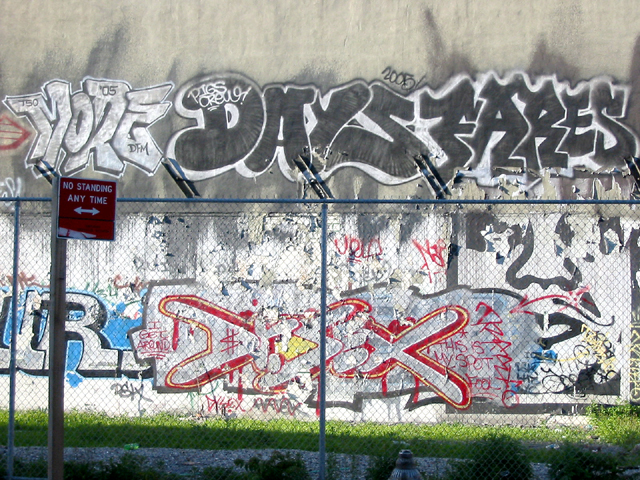
    In some places in New York, such as the subway, graffiti is cleaned off and trains are guarded as much as possible against its recurrence of graffiti. In other places, such as the Lower East Side, as seen, for example, on this corner of 2nd Avenue and 1st Street, it has flourished in its present incarnation. The community seems to embrace it as a signal and an identifier of the neighborhood’s outlaw past. In the eighties, there were many small galleries in the East Village and they often showed graffiti artists, popularizing the aesthetic to where it has now become accepted by many as a classic form of art.

    Posted on by Brian Dubé


  • dinamic_sidebar 4 none

©2026 New York Daily Photo Entries (RSS) and Comments (RSS)  Raindrops Theme