• Barbie

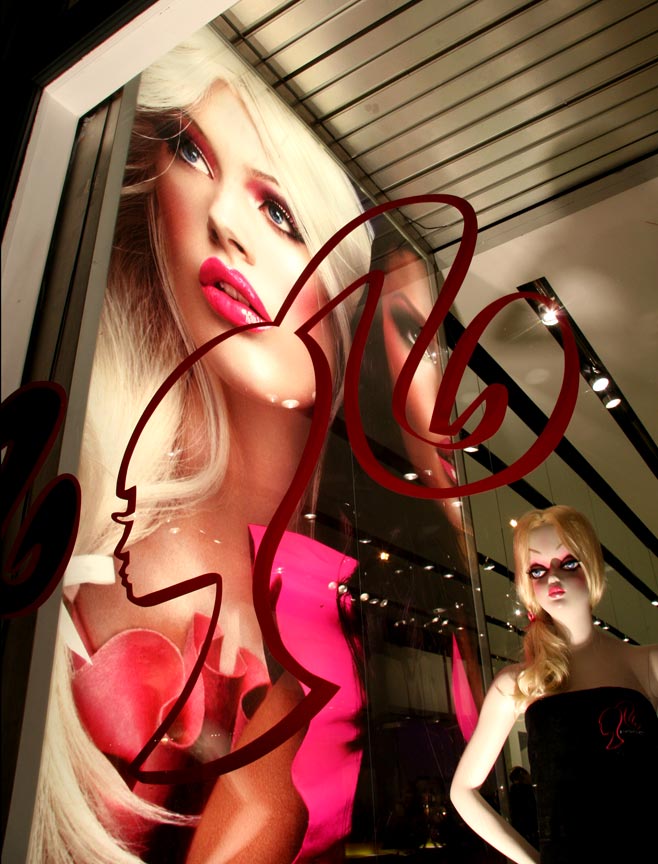
    Barbie has apparently changed her look. When I saw this striking window display at the MAC cosmetics store at 113 Spring Street in SoHo, I felt a little foolish. I went inside and asked a salesperson what the theme was, and she said incredulously, “Why, it’s Barbie!” Barbie Loves MAC is one of the looks they are now featuring. Barbie is big right now – the current March 2007 Vanity Fair has a Q&A interview with the new MAC Barbie doll.

    I’m fascinated with this country’s fascination with Barbie – she is a major icon with her share of controversy. This is way too large a subject to get into here – Barbie is a doll, a collectible, an idol, a role model, an industry, and a syndrome (Barbie Syndrome). She has a full name (Barbara Millicent Roberts), a birthday (3/9/1959), a birthplace (Willows, Wisconsin), a fascinating history, different looks and wardrobes, plenty of ethnically diverse friends, occupations, pets, and cars. And, of course, there have been parodies and lawsuits. There are Black and Hispanic Barbies. And pink is her color. For the first time, it appears she has some competition – Bratz is closing in…

  • Offerings

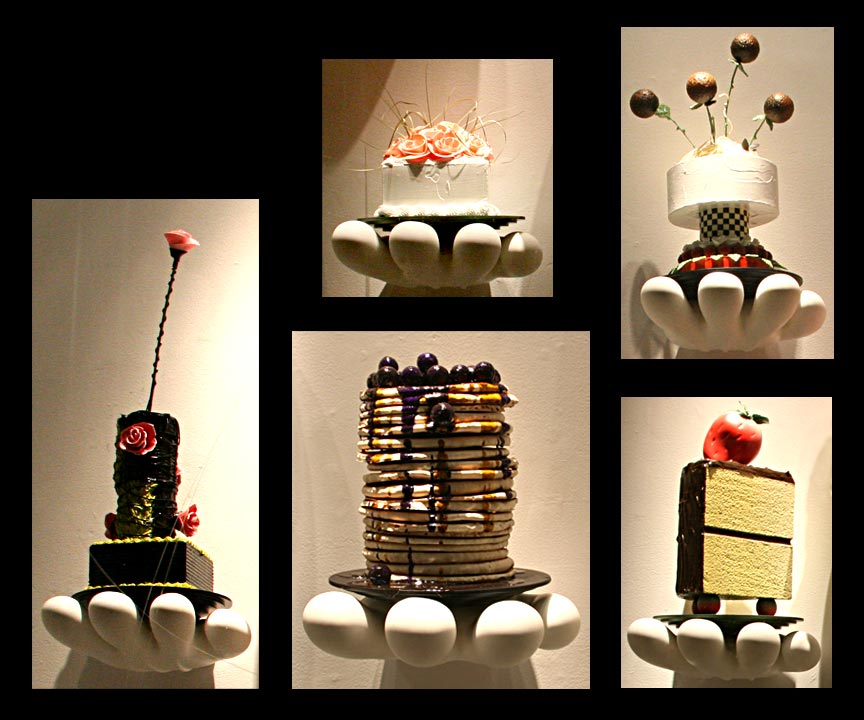
    New York University has a number of window spaces that are used to show works of art. On the east side of Washington Square Park are three windows called Washington Square Windows. Currently there is an exhibition of sculpture by Bolek Niedzwiecki entitled Offerings (Feb 9 – April 9, 2007). The work is quite whimsical, and since it features confections, it attracts quite a bit of attention. Cakes, confections, and other edibles are offered on outstretched, white-gloved hands. They are formed from squeezed acrylics.

    Says Niedzwiecki: “No underlying messages, no esoteric descriptions, no political commentary, just good old-fashioned aesthetics and whimsy is what Offerings is all about. These cartoonishly comical cakes are made using the same squeeze-bag and knife techniques that you would find at your favorite corner bakery. The only difference is these cakes are made of acrylic paint. Let me indulge your fancy with an offering of cake.” The exhibit is visible from the street and lit 24 hours a day, so if you are in the area, have a look…


  • The Strand

    Everyone in New York knows the Strand Bookstore at 12th Street and Broadway. With the slogan “18 miles of books,” the Strand is a contender for the largest used bookstore in the United States (along with Powell’s Books in Portland, Oregon). Independent and family-owned, it was founded by Benjamin Bass in 1927 on book row – an area on 4th Avenue between 9th and 14th Streets which at one time had over 30 used book stores. In 1956, it was taken over by son Fred Bass; in 1957, it was moved to its current location. Under the stewardship of Fred’s daughter and owner Nancy Bass-Wyden, the Strand appears to be trying to come of age; I notice that they now have an online presence. The second floor has been renovated. However, it still is a browser’s store. The size and inventory is overwhelming – the store with its 3 floors is a virtual maze (if you go, visit their rare book room – the largest collection in the city).

    Its inventory is not organized like a typical bookstore. Most find it daunting. Click here and browse these very entertaining reviews, and you’ll get an idea of what you’re in for. Here was one of my favorites: “Holy mother of GOD is this a huge bookstore. Never in my life have I seen this many books in one place. When I went in, it was daytime. When I left, it was dark. The Strand is like a black hole…it sucks you in, devours time, and never lets you leave empty handed. I found books here that I didn’t even know I wanted. I spent far more than I could afford. It’s EVIL! Be careful when you enter this place…it will steal your mortal soul!”


  • Gull

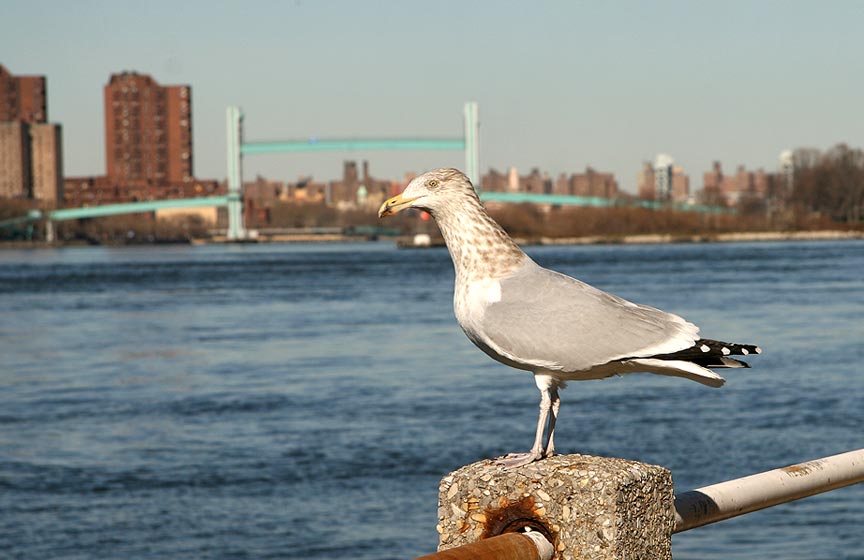
    We do have some wildlife in New York City other than rats. Even in Manhattan. Especially birds, where we have over 400 resident and migrating species with the greatest variety (NYC is located along a major north-south migration path called the Atlantic Flyway). Being a seaport, seagulls are more common in the city than many would expect, particularly in the outer boroughs near water. This photo of a Herring Gull was taken at Lighthouse Park on the northern end of Roosevelt Island. The blue-green bridge in the distance is the Ward’s Island footbridge, itself a fascinating part of the city and possible subject of a future post.

    I think gulls are much like squirrels – animals that are liked and disliked depending on where you live and your relationship with them. Although they are seen as a nuisance to many who own property where they abound, as a city dweller, I see a charming side to them (unlike pigeons). The official flag of Staten Island even depicts two seagulls. They are scavengers, yet I am always pleased to see gulls at close range, perhaps due to their relative novelty in the city. I find seagulls have a certain confident, self-assured attitude when at rest – perfect new York Style…


  • Ful Mudammas

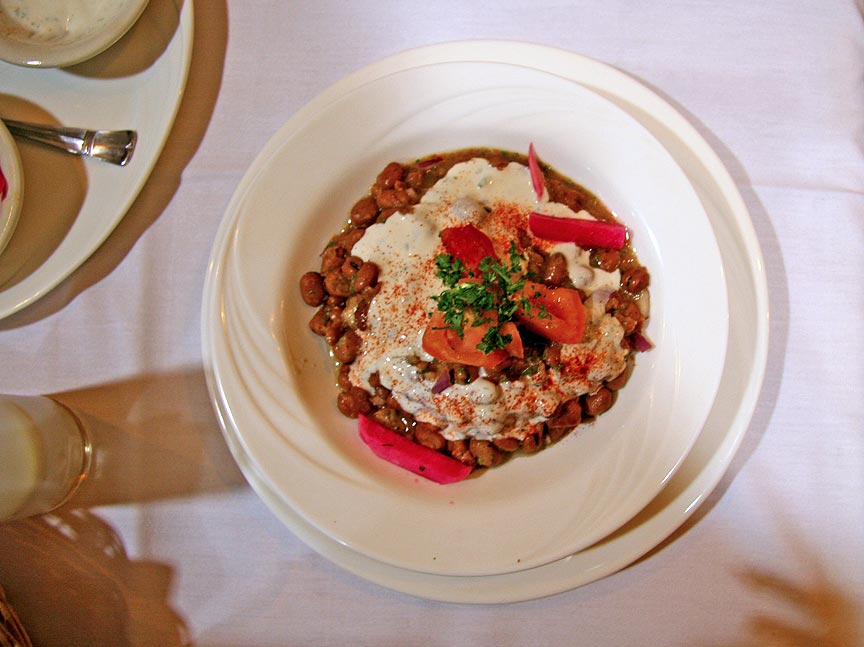
    One of my favorite dishes, Ful is not only difficult to find, it is also difficult to get accurate information about the beans and is difficult to spell, owing to transliteration from the Arabic. You will see Ful, Foul, Fool, and Fuul in combination with Mudammas, Medames, Medammas, Moudammas, and Medammis. Wikipedia is just as confused – it has two separate entries with no cross reference: Ful Medames and Foul Madammas (update 2/17/12: these two keywords now link to the same article). Commonly called fava bean salad or Egyptian bean salad, the dish is known as one of the national dishes of Egypt -“the rich man’s breakfast, the shopkeeper’s lunch, the poor man’s supper.” It is also made in many other parts of the Arab world with a myriad of variations. Keep in mind that although it is frequently called fava bean salad, there are three types of fava beans (ful hammam, ful rumi, and ful baladi). The broad beans commonly available in super markets (ful rumi) are NOT the ones used. The smallest (ful hammam) are the ones used for this dish. For the best synopsis of the history, ingredients, and regional variations, click here.

    Even with its popularity in the Arab world and all the restaurants in NYC, there are only a handful of places in all of NYC that make this dish – most Middle Eastern restaurants do not even offer it on their menu. The photo was taken at First Oasis restaurant in Bay Ridge, Brooklyn, where I travel to get ful. The owner, Said Albahari, previously owned Magic Carpet Restaurant on Carmine Street in Manhattan, where I first became acquainted with this delicious meal. This version is Lebanese style – prepared like a stew with olive oil, tahini, tomatoes, garlic, and other spices and served warm. Perhaps its lack of popularity is due to two popular spellings: Foul and Fool 🙂


  • BBar and Grille

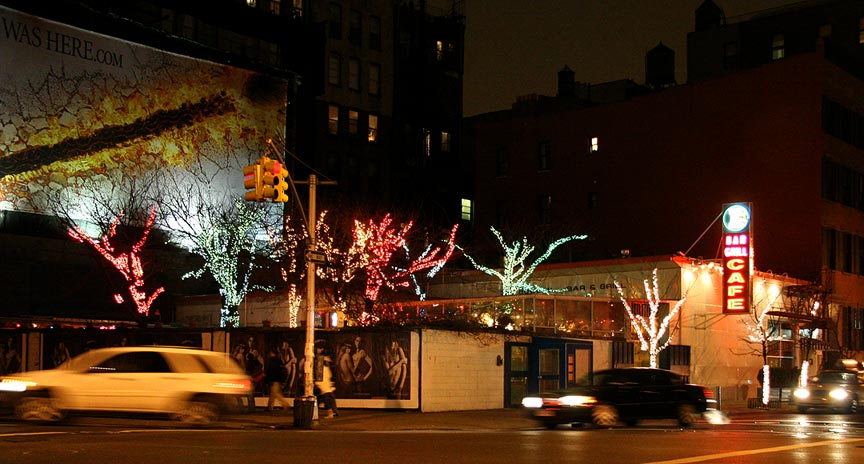
    This is B-Bar and Grill (originally the Bowery Bar and Grill) at 40 East 4th Street at the Bowery. The restaurant and bar is most well-known for their large outdoor garden open year-round (seen in the photo with its illuminated trees at nite). I can’t speak for the food here, but like many trendy places, there are fans and detractors. The entire business sits on the site of a former dilapidated Gulf gas station.

    Developed by Eric Goode and Serge Becker in 1994, B-Bar was embroiled in controversy at the time. The NoHo Neighborhood Association, Community Board 2, and the SoHo Alliance were concerned that this conversion would change the character of the neighborhood and mounted a lawsuit, arguing on the basis that the neighborhood was dominated by light industry and artists (although in actuality, there was little light industry left at that time). The area had 47 one-story buildings, and there was a fear that precedent would be set for conversion of many these buildings into clubs. In 1995, the plaintiffs withdrew their challenge to the Bar/Restaurant, feeling that a ruling against them might set a negative precedent.

    When looking at all the amazing architecture here in New York City, I frequently reflect on the fact that behind all the large and/or newer buildings, there was frequently opposition to its construction. There are always a myriad of reasons with many rational arguments for opposition to development, but the bottom line is that many people just don’t like a change to the status quo. But change is the nature of a dynamic city like New York. Things will change, new buildings built and resistance met…


  • The End Of History

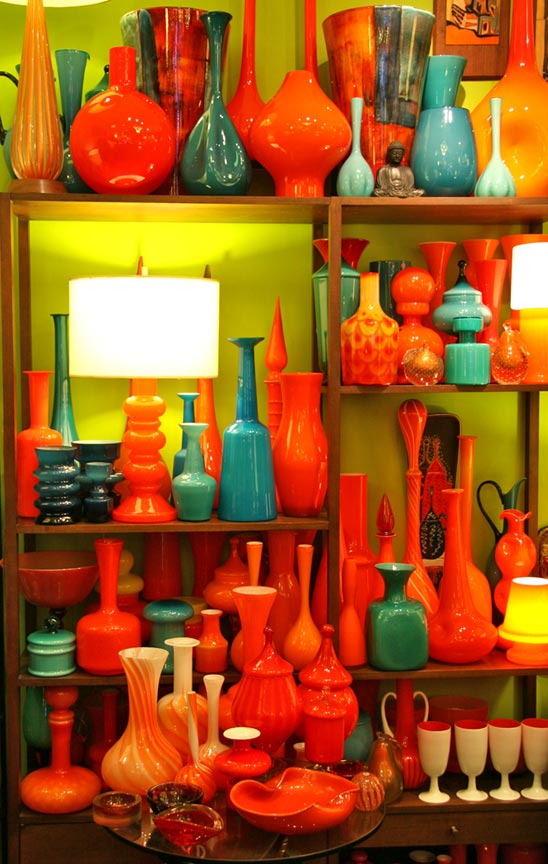
    The End of History is a small shop at 548 1/2 Hudson Street that sells vintage glass, ceramics, and furniture. Their tag line is “the world’s largest collection of 1950s & 60’s glass. Also selling furniture, lighting, and ceramics of the same period.” Owner Stephen Saunders describes his shop as “very Ice Storm” and says that ”Venetian glass is my big love.”

    I immediately was taken by the visual impact – the sun coming through all the varied colors has a striking effect and drew me into the store. The Italian, Scandinavian, and American glass objects are arranged by color, rather than price, origin, etc. See this additional photo showing some other color groupings of glass. This is one of those very specialized shops which exists only in NYC. These artifacts may be, as the store name implies, the pinnacle of accomplishment in this area of glass art, and they really do signify the End of History…


  • Seize sur Vingt

    It is not very often that one finds an automobile parked in a small retail shop in Manhattan. Groupe16sur20 at 267 Elizabeth Street in NoLita is a fashion cooperative started by James and Gwendolyn Jurney, founders of high-end clothing label Seize sur Vingt (meaning 16 out of 20 – a French school grade which equals an “A”), which is sold here along with their other line, Troglodyte Homunuclus. Apparently, something artsy is happening on Elizabeth Street.

    Similarly to the post I did recently on the Elizabeth Street Gallery (across from 11 Spring Street), fusion again rears its head. In this case, clothing meets art, performances, and autos. From a January 8, 2007 article in the New York Times: “Groupe 16Sur20, a cousin of the NoLiTa store Seize sur Vingt that is perhaps New York’s only gallery/clothing emporium/used car lot, even has its own curator, who’s put together shows by the likes of Nan Goldin and Larry Clark. They share space with the stock of men’s polo shirts, soccer jerseys, and a Lamborghini.” Currently, a yellow 1987 Ferrari Testarossa (shown in the photo) is being offered for $90K…


  • Yaffa Cafe

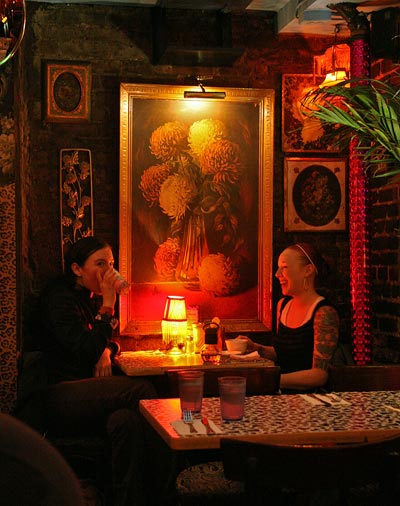
    This is Yaffa Cafe at 97 St. Marks Place in the East Village. The food reviews, along with elements of their decor, are all over the map. Some love this place, some hate it. The decor has been described as garish kitsch – there is plastic fruit glued to the walls, Christmas tree lights hanging from the ceiling, and leopard and zebra prints on tables and booths, all in a dark atmosphere with a warm, reddish glow. The clientele is eclectic – a mix of the late-night club crowd, goth kids, slumming yuppies, and artists.

    The menu is eclectic as well – a mix of Mediterranean, vegetarian, and some American fare thrown in. The pricing is inexpensive. The 8-foot by 12-foot mural outside, which proclaims its all-night status, is a self-portrait of Israeli immigrant Lika Ramati, co-owner of Yaffa with her husband Amir (click here for photo). In warm weather, there is a large outdoor dining space. This place is worth a visit – I doubt you’ll find anything quite like it ..


  • Jacques Torres

    What is more universally loved than chocolate? Claims have been made that chocolate consumption releases serotonin, producing feelings of pleasure. And recent studies suggest that there may be health benefits to dark chocolate.

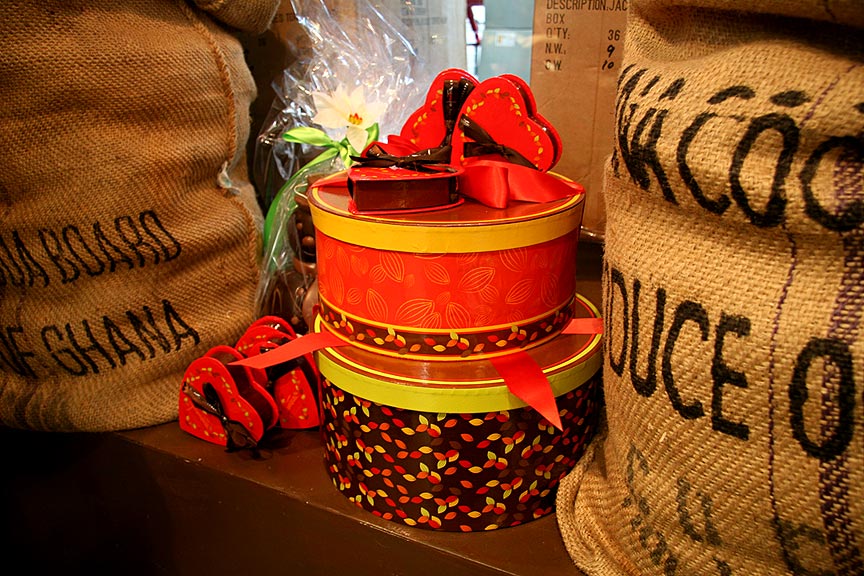
    Jacques Torres Chocolate at 350 Hudson Street was opened in 2004 (his original factory is in DUMBO, Brooklyn, opened in 2000). It is one of the few places in the country that actually manufactures chocolate, and they do it on site, in Manhattan, behind glass, where the process can be viewed from the street or the interior of his shop. French chocolatier Jacques Torres has quite a pedigree with extensive culinary awards and a history of work in top restaurants worldwide. His website is excellent; there are several videos available for viewing, including ones that show the making of chocolate and various products.

    I learned that the chocolate-making process is quite extensive. Beans arrive dried and fermented from Ghana, the Ivory Coast, and Ecuador; the beans are cleaned, roasted at 160 degrees for 30 min (in a vintage roaster) and cooled, and sent to the winnower to remove shells. The heavier interior nibs (the core ingredient) are ground twice; sugar is then added, and the mixture is sent to the the mixer. It then passes to the refiner (to break down particles into a smooth mixture). It passes twice – the particles are now less than 20 microns in size. Then off to the conch (the most time-consuming process), where two granite stones grind the mixture against a granite wall for 12 hours to remove any bitterness. Cocoa butter and lecithin are added. A tempering machine (processing at various temperatures in stages) brings it to a crystalline form. Finally, the chocolate is injected into bar molds.

    The shop itself is a pleasure to visit – there is a bar where an array of hot chocolate and coffees are served. Above the bar, there is a statue of Quetzalcoatl, the Aztec god of cacao. And, of course, their entire selection of chocolate confections is available for purchase. Click here for more photos. A must-stop for any visitor to or resident of New York City. And by the way – Happy Valentine’s Day!


  • Art Bikes

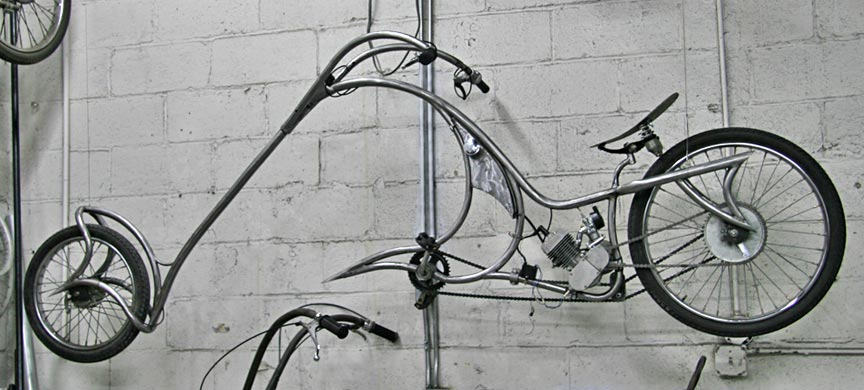
    This is the story you have not heard and the place you have not seen. In a signless, nondescript, windowless 1-story garage workspace in SoHo, bicycles are being made (see here). These creations are the work of Josh Hadar, born in Maplewood, New Jersey, and a NYC resident since 1983. A Boston University film major, Josh was, until recently, a family partner in Studio 54. With a little friendly persistence, he was kind enough to permit me a short interview and these exclusive photos (click here).

    The bikes are hybrids – they can either be pedaled or run on a small gas or electric motor. They are all handmade. A lot of cutting, tube bending, grinding, and welding goes into these graceful, chopperlike vehicles – about 4 to 5 weeks’ time goes into each one. Only a dozen or so have been made over the last two years. He has a number of newer designs not yet completed, which he asked that I not photograph. Josh assured me that a couple of these are street-ridden in the city, but I have never seen one. Keep a very sharp eye out for a rare sighting…


  • Zoomies

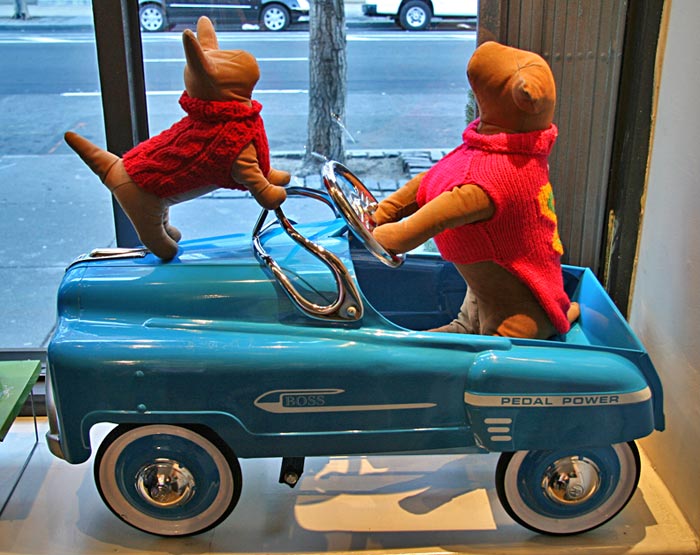
    In the West Village at 434 Hudson Street, I stumbled on Zoomies, which turned out to be a chic Parisian boutique for dogs owned by Angelique M. Graux and Susan Bartholomew. Angelique, a restaurateur from Paris, combines her expertise in French cuisine with Susan’s background in fashion (she was Vice President of retail for Christian Dior Couture). They feature custom-made beds, collars, accessories, apparel, toys, and, of course, treats – homemade biscuits and decorated treats displayed in an antique patisserie case at the 1st Biscuit Bar for dogs in NYC.

    This type of place seems to be part of an increasing trend towards indulging and pampering one’s pet: Brooklyn opened the first bakery just for dogs – Buttercups’ Pawtisserie, where pupcakes are made; there are rumors of a line of puppy couture called Ruff Love…


  • ABC

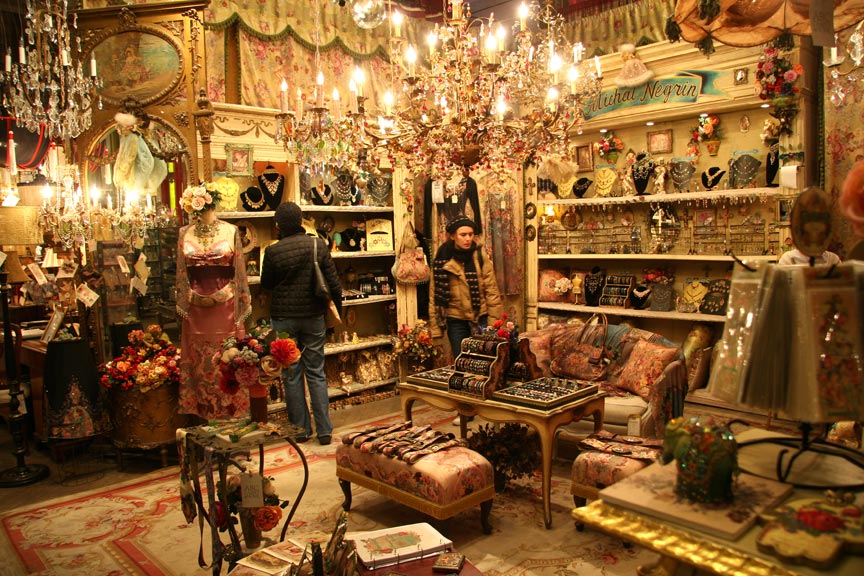
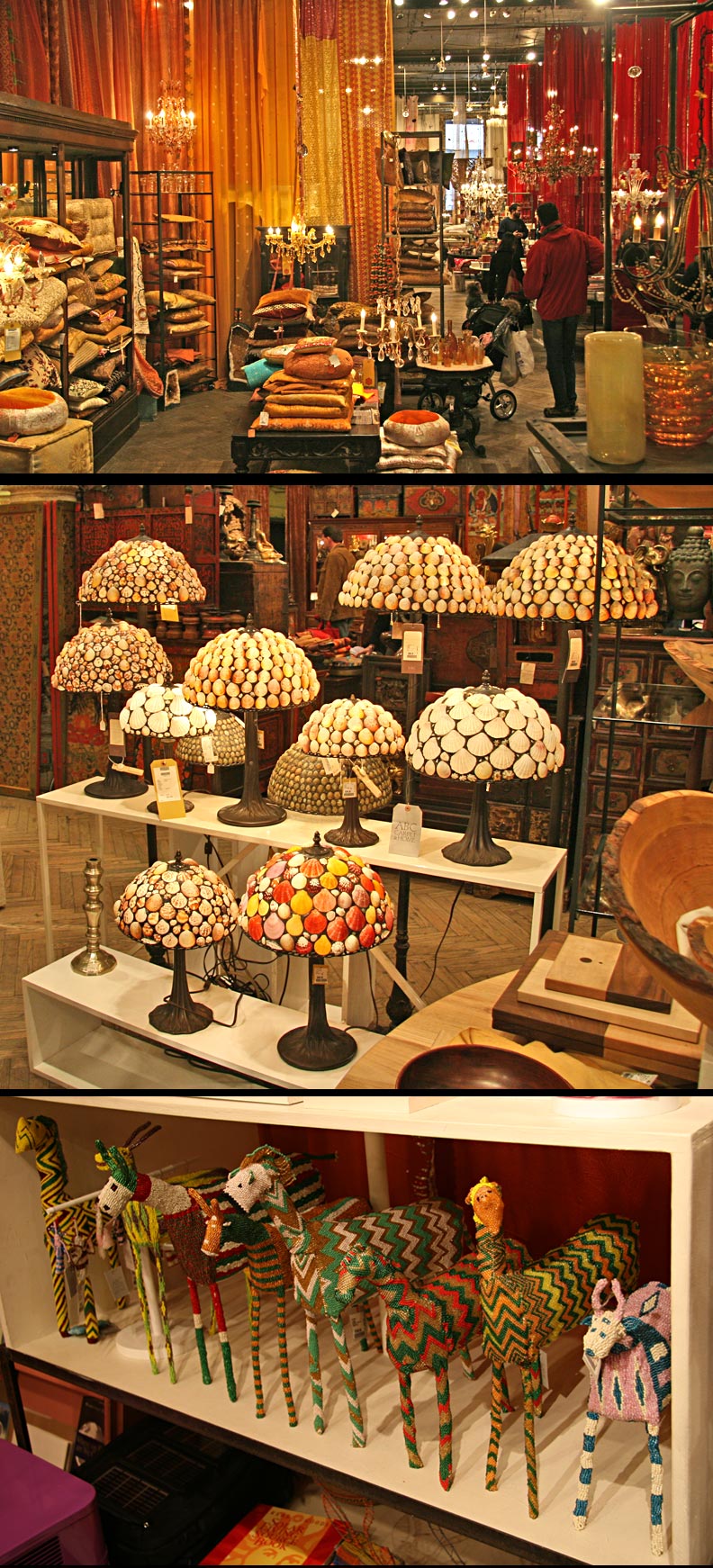
    Photos do not do justice to the experience of being in a place like ABC Carpet and Home, with its enormous loft-like floors and the look and feel of a Victorian emporium. Some floors have separate boutiques. There are even restaurants, a bakery, a cafe, and a French chocolatier. The stores sells an enormous variety of home furnishings featuring furniture, antiques, jewelry, bed & bath, lamps, chandeliers, fabric and drapery, baby and children’s goods, gifts, collectibles, etc. Click here for more photos.

    This is another one of those “only-in-New York” type of places with a unique feel. An amalgam of quality goods in a historic space that is slightly worn – not the very immaculate, sanitized type of place you would find elsewhere for merchandise of this quality and price. Not that long ago, ABC was a relatively drab, utilitarian carpet outlet. From the New York Times article: “ABC has come a long way since 1897, when Sam Weinrib, an Austrian immigrant, began pushing a cart loaded with used carpeting and linoleum around the Lower East Side. Sam’s son, Max, abandoned the cart for a store under the Third Avenue El at 29th Street, and Max’s son, Jerome, moved it to the current site in 1961.” The business occupies the 7-story building (which it now owns) at 888 Broadway and 19th Street, as well as the building across the street at 861 Broadway. Read more about it here. I highly recommend visiting if you are able…enjoy the atmosphere…


  • Fusion


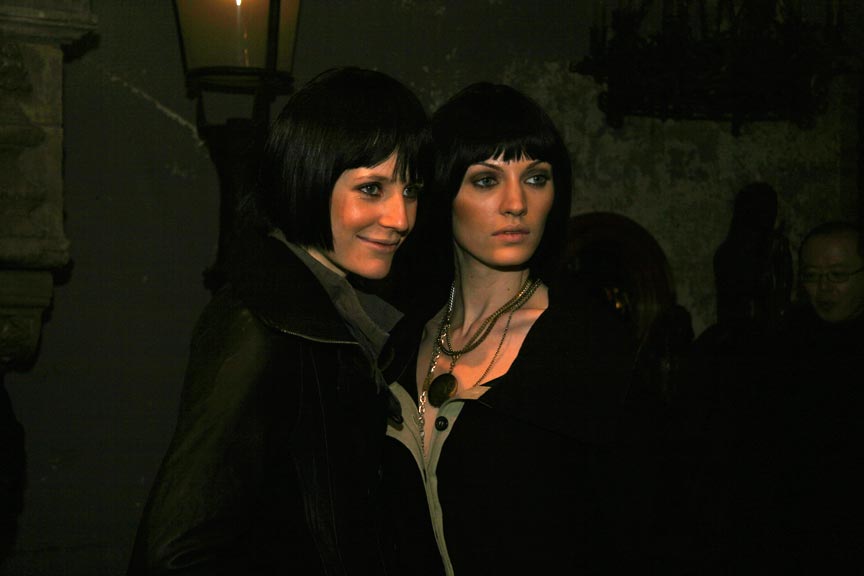
    This was the first time I had the opportunity to shoot fashion models. As you can judge by the history of the photos on this blog, fashion, models, and parties have not been my milieu. But this was fashion week in NYC, and I was invited by the owners to this event at Elizabeth Street Gallery. The gothic atmosphere at night was amazing and the experience quite rewarding. The models were extremely cooperative, acutely aware of cameras, and always prepared to pose. This would be expected and rather obvious, but when you have a camera in your hand, it is surprising to find how eager to please and attentive and willing to indulge photographers they really are. The bottom line is that photographers and models are on the same page – paid professionals out to get good photos.

    It was also a privilege to photograph objects of beauty that are at the same time human and can respond, taking cues and also contributing their own gestures and movements. This happening was quite unusual – it was described by the gallery owner as a fusion between fashion and art; nicholas k was showing their fall clothing line, which was displayed as art. Simultaneously, the owner Alan and his partner Avi were featuring some of their bronze sculptural artifact reproductions, which had been transformed into lamps. Many of the models were provided by a new, small boutique agency, appropriately called Fusion…


  • The East 50s

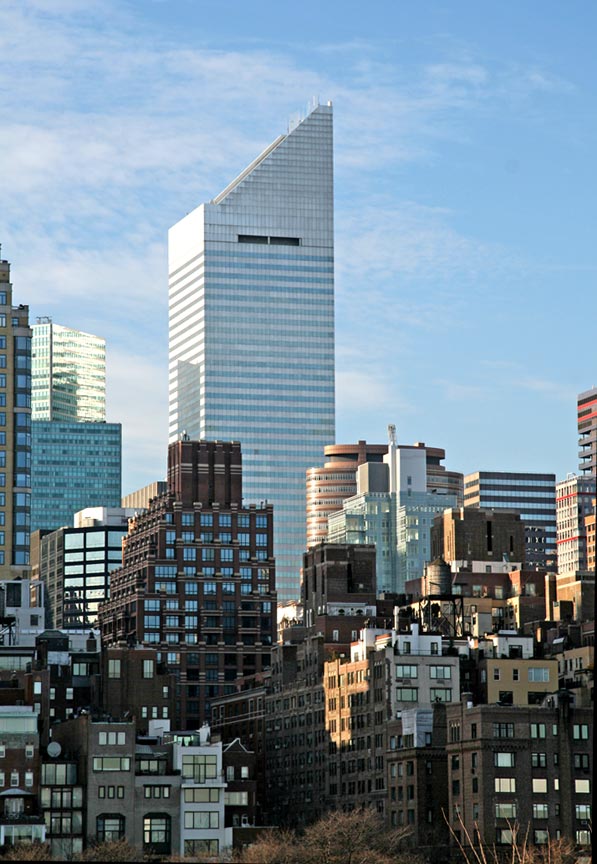
    The East 50s have long been regarded as one of the most fashionable districts in Manhattan, with some of the most well-known establishments – residences, hotels (the Waldorf-Astoria), retailers, and restaurants, with addresses such as Park Avenue, Madison Ave, Sutton Place, and Beekman Place. From the luxury condominium Veneto’s website: “Since the early 1920s, the East 50s have attracted the most influential and prominent members of New York’s society, from the Vanderbilts to the Rockefellers.”

    In the residental section close to the river, known as Turtle Bay, there have been many influential journalists, writers, and actors as residents, including the writers Alexander Woollcott, John Steinbeck (330 East 51st St.), John O’Hara (230 East 51st St.), Edgar Allan Poe, early feminist revolutionary journalist Margaret Fuller, and publisher Horace Greeley. Their lives and work have given the area the ambiance of the quintessential urbane, sophisticated NYC district and were important contributors to creating the Manhattan mystique that has drawn people from all over the country and the world.

    In this photo: the Citicorp Building with its distinctive angular roof line; to its lower right the oval shaped Lipstick Building (Philip Johnson); and at lower left, the northern end of Beekman Place. I guess we must say to residents there, vive la difference…


  • dinamic_sidebar 4 none

©2026 New York Daily Photo Entries (RSS) and Comments (RSS)  Raindrops Theme