• The Plaza

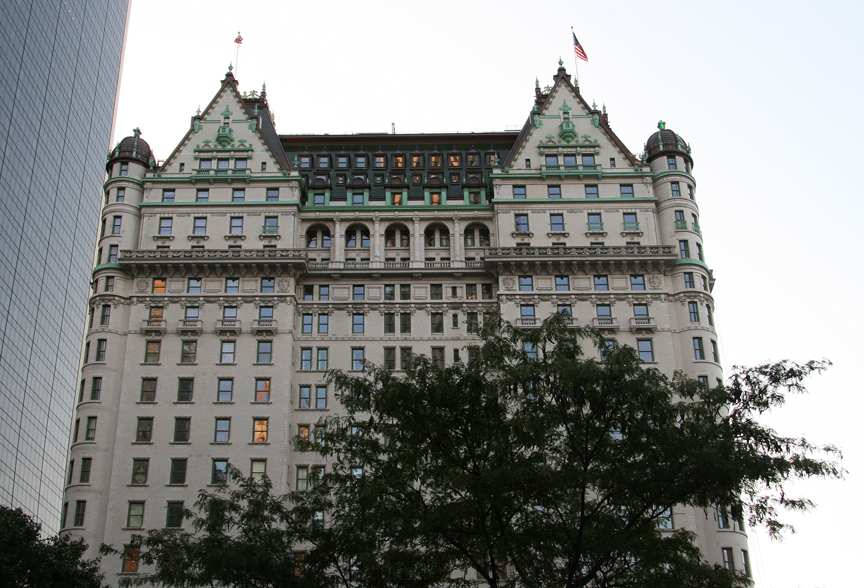
    A number of readers have inquired why I have not done a posting on the Plaza Hotel in the two and a half years I have done this site. It may come as a surprise to those who know this city, and it should – the Plaza is one of the most important landmarks in the entire city.

    So why I have I waited? The primary reason has been the ongoing construction with exterior scaffolding since 2005. This property has changed hands a number of times, briefly owned by Donald Trump (from 1988-1995). It was then purchased by the current owner, El Ad Properties, for $675 million. $400 million has been invested in renovations. All the rooms along Central Park are now residential condominiums. It has been designated a National Historic Landmark; the only other hotel with this status is the Waldorf Astoria.

    It is difficult to do this hotel justice and communicate the importance of this structure. Its stature is enormous, both physically and symbolically. The Plaza sits at the crossroads of two of the most important thoroughfares in New York City: Fifth Avenue and Central Park South.  Any property located on Central Park immediately gains importance and caché. The same is true for Fifth Avenue, particularly where it flanks Central Park from 59th Street to 110th Street.

    The current property is the second to be built on the site; the first was built in 1900, and the second was rebuilt in 1907, designed by Henry Hardenbergh in the style of a medieval French chateau. The name derives from Grand Army Plaza, the public space adjoining the front entrance of the hotel along Fifth Avenue. The plaza is the site of Pulitzer Fountain, Abundance, by Karl Bitter.

    At one time in the 1950s and 60s, half of the hotel rooms were occupied by residents living there full time, such as Frank Lloyd Wright and Marlene Dietrich. Many clebrities have graced its rooms: F. Scott Fitzgerald, Alfred Hitchcock, Truman Capote, the Vanderbilts, et al. The Beatles performed there on their first USA visit in 1964.

    One could name drop all day, and certainly there may be “better” hotels or rooms in the city, but for any New Yorker, one name says it all: the Plaza


  • Morphic Resonance

    There is something called the hundredth monkey effect – a phenomenon where, supposedly, a learned behavior spreads instantaneously from one group of monkeys to another once a critical number has learned it. This idea was popularized by Ken Keyes in his book The Hundredth Monkey. On the Japanese island of Koshima in 1952, macaques were observed to have learned to wash potatoes. This behavior was passed on to others on neighboring islands, supposedly without any direct contact between monkeys. The paranormal effect was reported to be evidence of morphic resonance, a theory of Rupert Sheldrake, a former British biochemist. According to the theory, the repetition of similar acts and/or thoughts creates morphic fields which have effects on others.

    The whole concept is extremely fascinating and very compelling, perhaps accounting for its popularity amongst new age thinkers. However, morphic resonance is not supported in the scientific community, and the hundredth monkey effect is largely considered to be an urban myth.

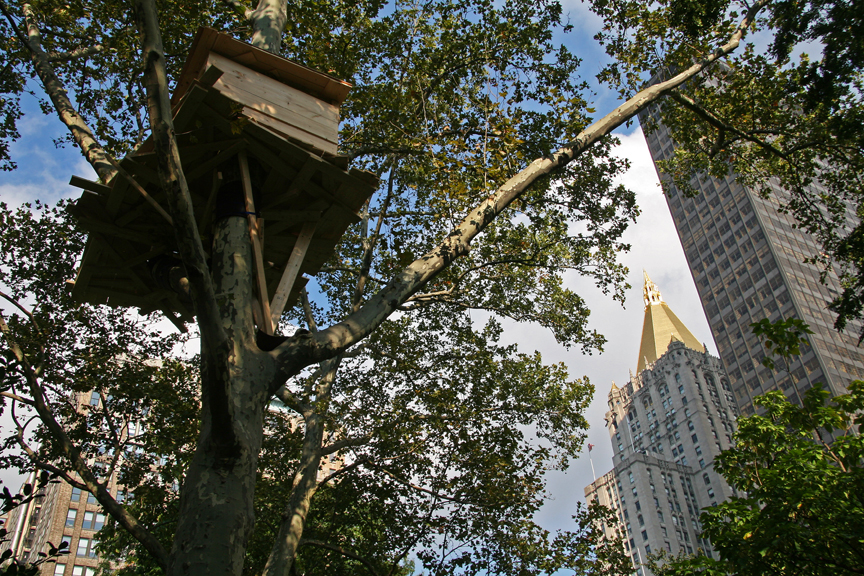
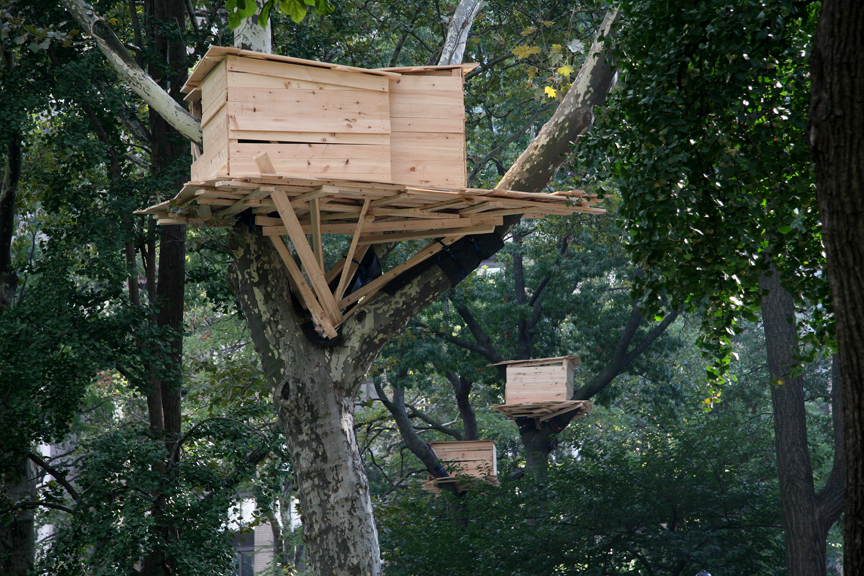
    I have always been interested in treehouses. At one time several years ago, my interest became so acute that I decided to search for existing books on the subject, and surprisingly, a new text had just been published. Subsequently, there has been a proliferation of other books and articles – a number have appeared in the New York Times.

    I was both surprised and excited to see this display of tree houses in Madison Square Park, juxtaposed against the New York cityscape (see another group shot here). This is a public art project called Tree Huts by Japanese artist Tadashi Kawamata. If you don’t mind a bit of artspeak, you can read about it here at the Madison Square Park website (update 1/10/12: Link no longer works) or here at the Tree Huts blog.

    Although I realize that all the recent interest in tree houses is almost certainly due to cross-pollination, I just love the idea that it could be morphic resonance 🙂

    Note about the photo: The gold-topped building in the background is the New York Life building – you can read my posting and see its spectacular night time illumination here


  • Guilty Pleasures

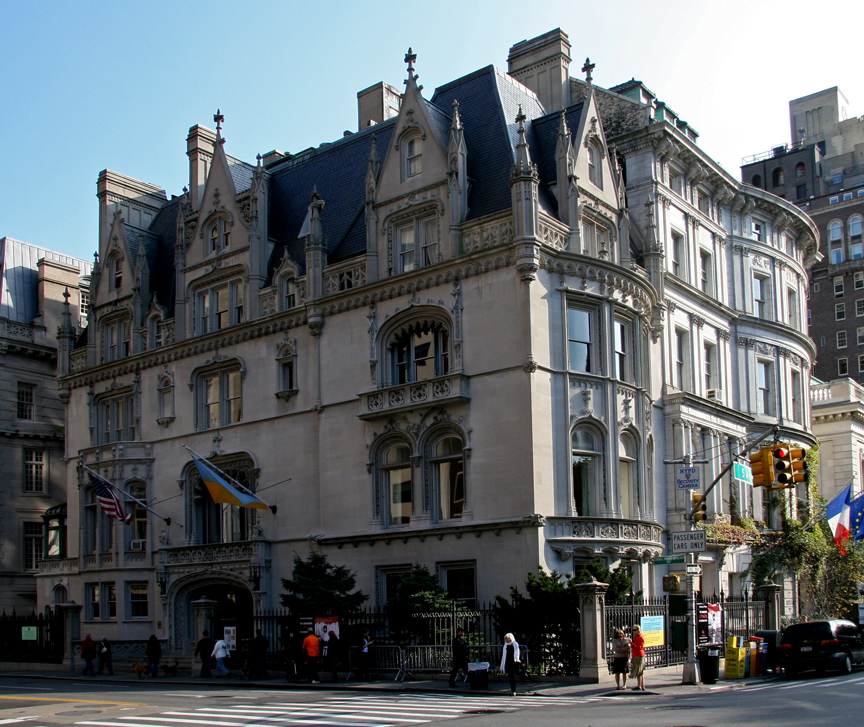
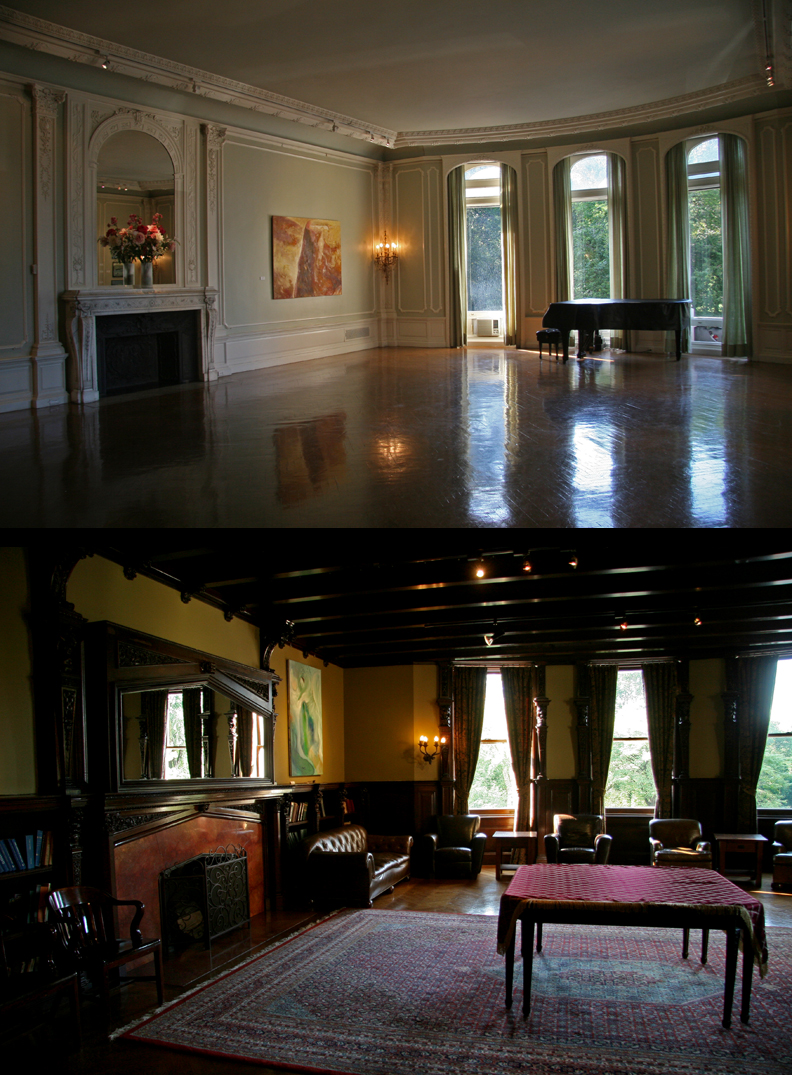
    This past weekend was the 6th annual Open House New York. I have been very enthusiastic about this event and have attended the past three years. This year, I decided to take a journey to the Ukrainian Institute, owing to its description as an “ornate, French Renaissance-style mansion, once owned by oil tycoon Harry F. Sinclair…” After all, who doesn’t like to visit a mansion? See photos of the interior here.

    The French Gothic house, known as the Fletcher-Sinclair mansion, was built in 1898 by Isaac D. Fletcher and designed by architect C. P. H. Gilbert. Read about it here in an article by Christopher Gray of the New York Times.

    At one time, there were a myriad of mansions in Manhattan. Those who find displays of opulence disturbing because they may have been built on the backs of others will perhaps find comfort that most of these were abandoned as private residences. I must confess that, for me, mansions are guilty pleasures.

    According to the aforementioned article by Christopher Gray:

    “‘Death and Taxes’ in Fortune magazine of July 1939 remarked that the Fifth Avenue mansions had become ”symbols not of power but of decay” — of the 72 private houses then left on Fifth Avenue, 33 were closed. The article reported that even a moderate-sized house required 10 servants at a yearly payroll of $14,000, with $4,000 alone in food for the staff. The bare minimum for keeping a house open was $30,000 a year.”

    These mansions have been converted to other uses, such as embassies, museums, institutions, and high-profile retailers. Whether one sees these uses as more socially acceptable is one issue; certainly it is nice that most of these can now be used and enjoyed by the populace.

    The Ukrainian Institute of America took over this property in 1955. Their function is to develop, sponsor, and promote through activities a greater awareness, understanding, knowledge, and appreciation in the United States of the art, literature, music, culture, history, and traditions of Ukraine.
    Their current usage of the mansion allows me to better enjoy a guilty pleasure 🙂

    Related Postings from previous Open House New York weekends: Masonic LodgeSecret Rooftop GardenTerrapin Chelsea Art Gallery, Stairwell, Cold Stone


  • Love Affair

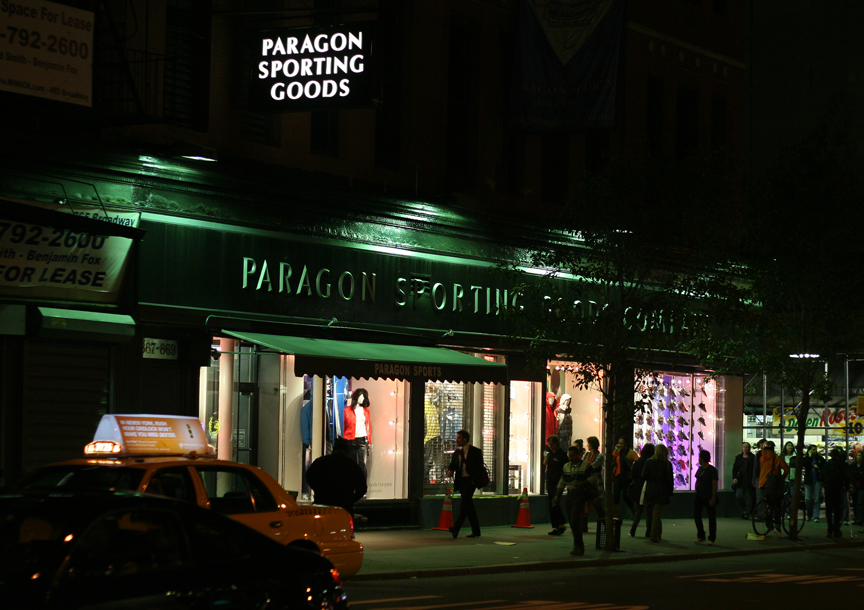
    Why would anyone have a love affair with a sporting goods store? It’s simple. Let’s say you just moved to NYC to go to college and it’s 1969. And let’s say you never left home before in your life – everything is new, exciting, and scary all at the same time. Winter is coming, and you need a warm coat. You have virtually no money, but fortunately, your mother gave you money to buy one. Where do you go and what do you buy?
    Those who know things say to go to Tents and Trails or Paragon.

    Tents and Trails was on Park Place, virtually no man’s land at the time. It was a real destination retailer with a virtual cult status and a quality reputation – I have purchased many things there. But it wasn’t that big. I needed a place that felt overwhelming, like the city itself. Paragon just felt like the right place. At the time, Northface was the brand of choice. So that is my first memorable NYC shopping experience: Northface at Paragon. That coat lasted for years, and I saw it and Paragon as responsible for providing protection from harsh conditions.

    There’s a wave of comfort that comes over you when you enter a place like this – a feeling of confidence that you need to look no further. After all, this is the leading sporting goods store in NYC, the preeminent city in the country. This is a no-nonsense New York place. All the quality brands with a experienced sales staff that can be brutally honest.

    Paragon Sports, 867 Broadway at 18th Street, has been in business since 1908. Many consider it to be the finest worldwide. It has an enormous product line (50,000 products), cutting-edge equipment, and clothing. Many products are unique, carried exclusively at this store. It has only one location, much like a handful of other unique, iconic, legendary NYC stores such as B&H Photo and J&R Music World. There’s an intensity about these stalwart, single-location shops – no dilution of expertise or product. Everyone and everything is under one roof.

    Be forewarned – if you visit, you may fall in love too 🙂

    Suggestion: If you visit, make sure to see all three floors and all the rooms on the ground floor. While in the area, visit ABC Carpet and Home and nearby Union Square. If you work up a hunger, grab a meal at Republic.


  • Pumpkins Too

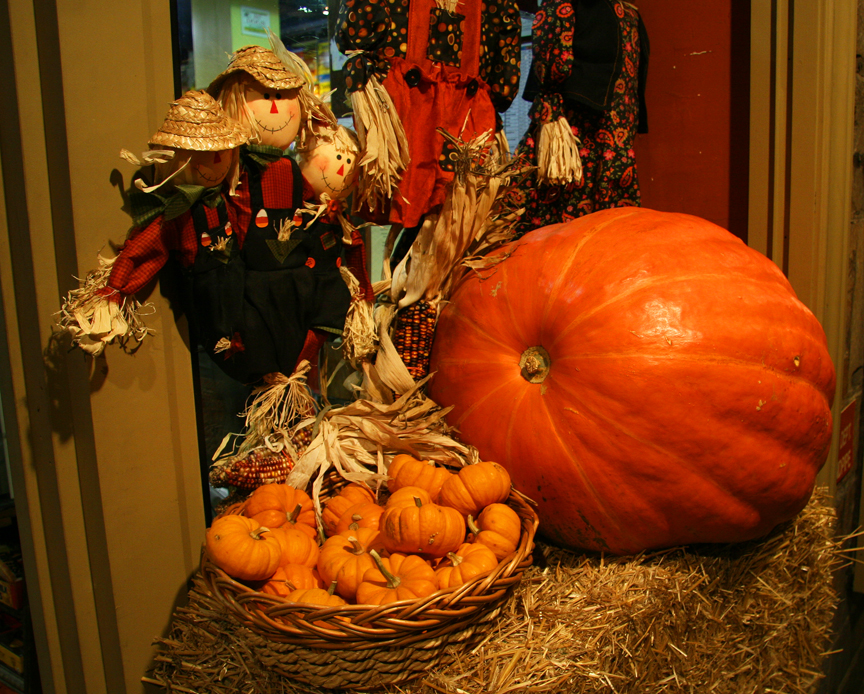
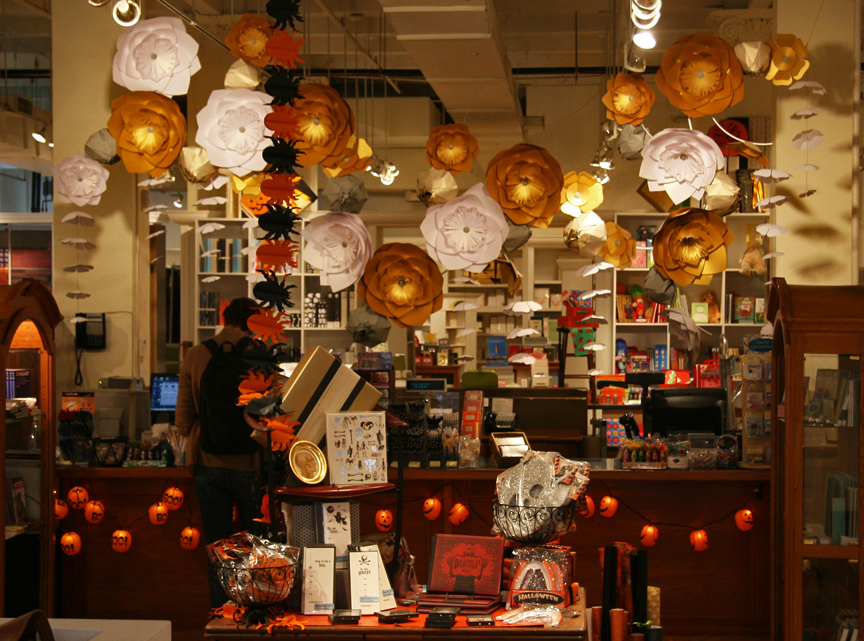
    The display in this photo may appear to be somewhat early, but that is the state of the current retail environment. Business is so much more sophisticated and competitive. The general increase in foreknowledge of holiday sales has lead to an enormous expectation on the part of businesses. So now, retailers extend holiday periods as much as possible in hopes of driving more sales. Historically, the Christmas season has begun on Black Friday, the day after Thanksgiving. However, we now see many retailers with Christmas displays and ornamentation well in advance of Thanksgiving.

    For many retailers, profit or loss for the entire year depends on Christmas sales, so I am sympathetic to a degree. But on the other hand, the overly aggressive marketing, advertising, and promotion can become distasteful, turning holidays into nothing but commercial events. Soon we risk having a perennial Christmas. I am not against celebration, but one must be careful, or the spirit and meaning of holidays can be easily lost.

    Autumn and Halloween are very much times defined by nature and the outdoors. Pumpkins and straw are visual treats for city dwellers, much-needed reminders that there is a world apart from concrete, asphalt, glass. and steel. The city has to put its own spin on many holidays, keeping as many key elements as we can and improvising the rest. Trick-or-treat at Halloween is one holiday activity that is severely curtailed.

    But we have pumpkins – wonderful eye candy for triggering memories of shuffling though fallen leaves or the excitement of making the neighborhood rounds on Halloween…


  • Joe Jr’s

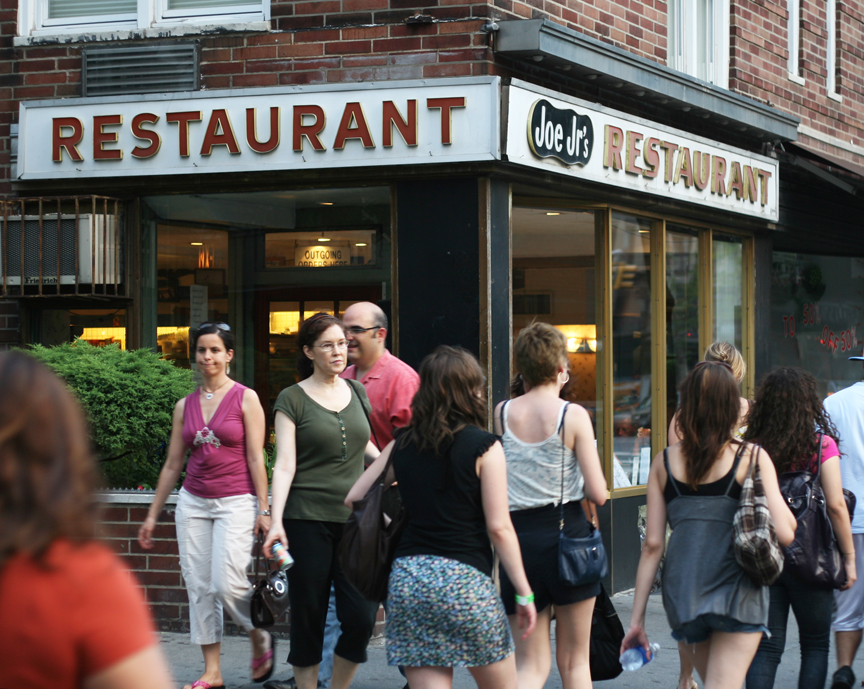
    Many New Yorkers enjoy comfort food as much as their suburban brethren, and in America, the restaurant of choice for comfort food is the diner. These places appeal to Americans for so many fundamental reasons: large portions, low prices, long hours (many are open 24/7), fast service, and typically an enormous, extensive menu of virtually every staple in the American diet – even breakfast items can be had all day.

    Of course, in New York, we just love those legendary places, and iconic diners are no exception, with places such as the Market Diner in Chelsea and Moondance in SoHo, which made big news when it was sold and completely moved to Wyoming in 2007.

    Food reviews at diners are mixed. Much depends on individual tastes and also the type of dish ordered. Food quality can vary more than in a typical restaurant – a place may be good for burgers and breakfast but not great for filet of salmon. The safe bet is to go with simple, low risk, “standard” fare.

    Joe Jr’s Restaurant gets rave reviews, with numerous patrons calling it the “best diner on earth” and other superlatives. I have only eaten there a couple of times, so I leave you to be the final arbiter. Joe Jr’s has two locations – the one in the photo is at 482 6th Avenue, and the second location is at 167 3rd Avenue in the East Village. These establishments have been around since the 1930s and have stood the test of time…


  • Main Street

    I don’t go to cafes often. In over two and a half years of writing for this blog, I have never done a real cafe. The reason? Because there are virtually no “real cafes.” And it is not so much that all the good ones have gone out of business – there were really very few good ones in the many years in which I have lived in New York City. The Figaro Cafe, for example, (recently closed) was never all that great – it certainly was not intimate, charming, or romantic. I would imagine that it was an interesting haunt when it opened over 50 years ago. Most places have been quickly over run by a stampede of tourists. So a person always had to either know of places or hunt and forage.

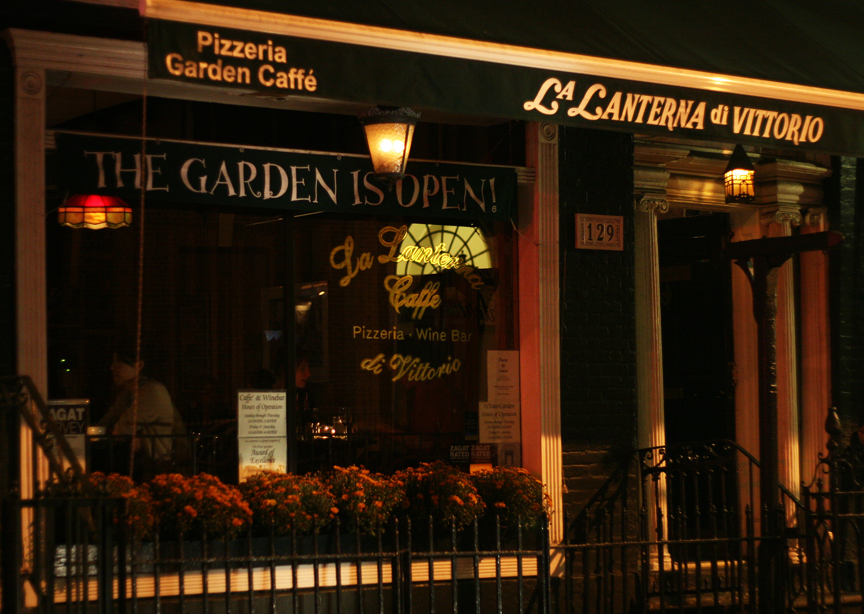
    For me, ambiance is a necessary condition for a cafe, and La Lanterna is one of the most atmospheric cafes I have been in. Two floors each with a fireplace, dark woods, low lighting, and a beautiful year-round garden. Reviews characterize it as frequented by students from neighboring NYU. I cannot attest to this, however, Lanterna is not a real inexpensive place, and the cafe is extremely well-maintained. La Lanterna does not attract a boisterous crowd, and any student traffic is well behaved. Contrast to a place like Think Coffee, for example, which is essentially under assault by students.

    La Lanterna di Vittorio at 129 MacDougal Street was opened in 1976. It offers an excellent selection of pastries, gelato, the requisite coffees, and a wine list. The menu also has a pretty extensive selection of food, enough for a light meal – pizzas, bruschetta, salads, soups, panini, crostini, calzone, carpacci, fish, and cheese. See their website and menu here.

    My only disappointment is that I can not tell you that it dates to the 1800s with a history like that of Les Deux Magots in Paris, or that it is on a wonderful romantic sidestreet like Commerce Street (don’t be put off by the name) or Grove Street. It is certainly not in a secret, off-the-beaten-path location. Ironically, it is located on MacDougal street, a block north of MacDougal’s primary commercial block between West 3rd and Bleecker Streets (if you venture on that block, be prepared for to enter one of the most conspicuously unattractive and touristy streets in the Village.) Perhaps this is one reason that it is often overlooked.

    It’s fine to look in the nooks and crannies, corners, and crevices of New York City for the undiscovered gems – I love that. Just don’t miss Main Street…


  • Spring Studio

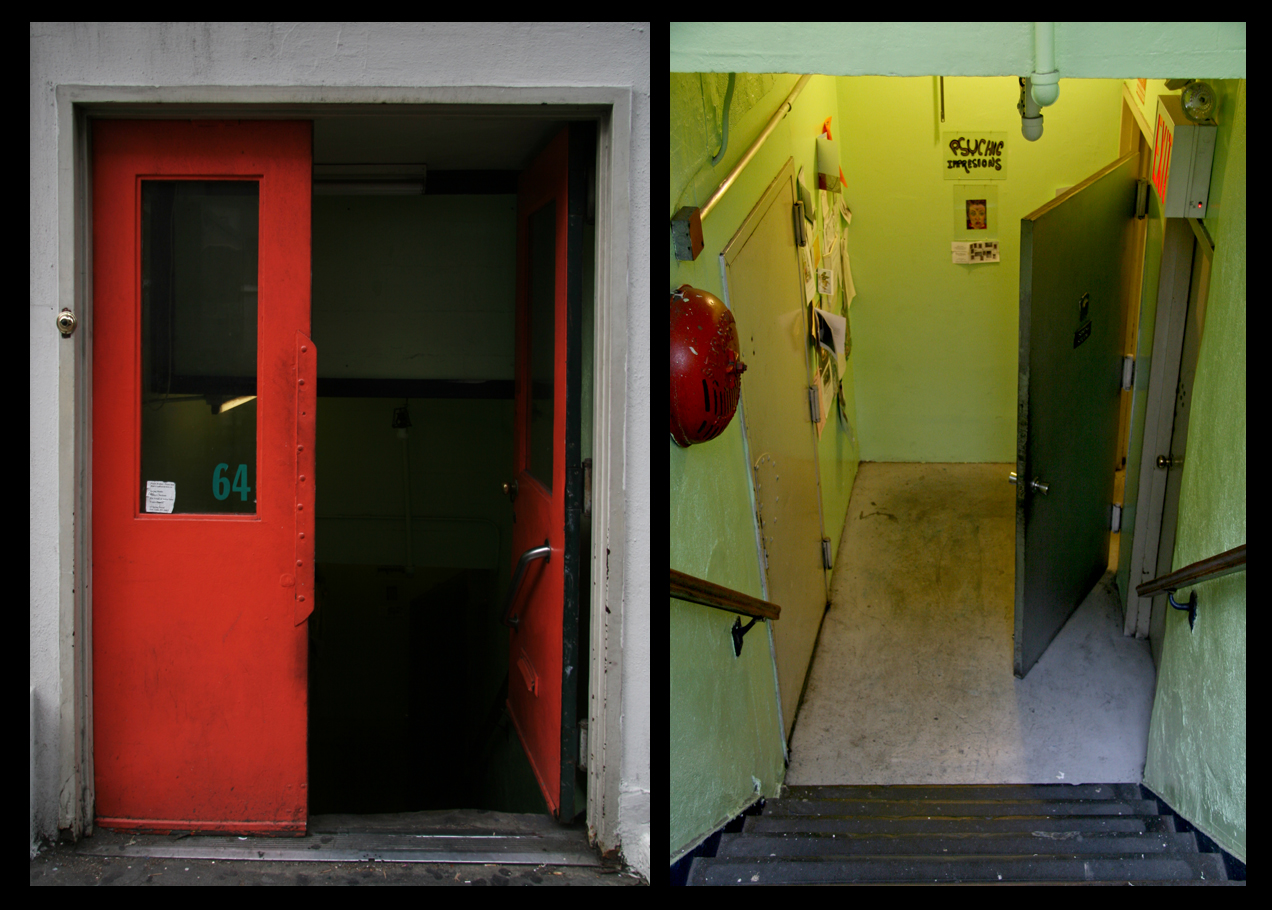
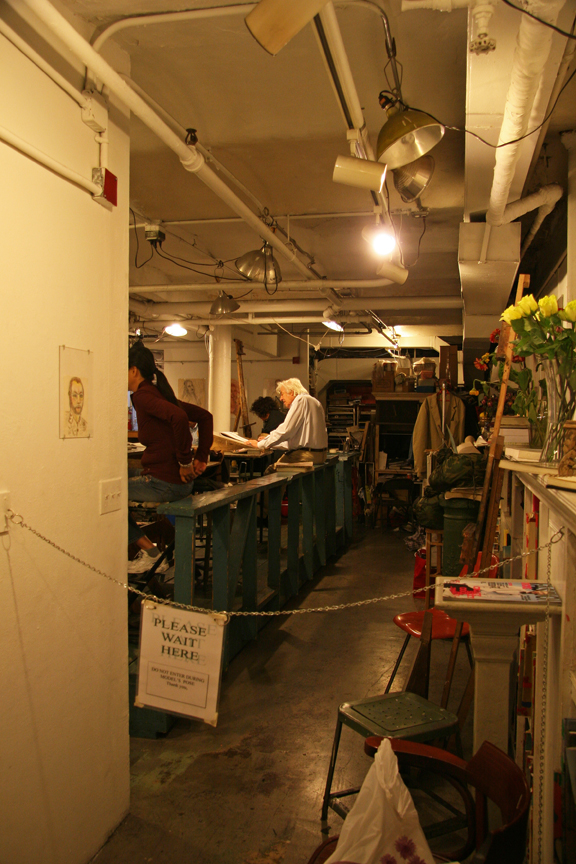
    Thousands walk by this nondescript red doorway everyday with barely a glance. The small bulletin board on the right side is certainly not enough to stop anyone at 64 Spring Street, a central thoroughfare in SoHo (technically 1/2 block east of the historic district), surrounded by places such as Kate’s Paperie, the MOMA (Museum of Modern Art) shop, and Balthazar.

    But then again, Minerva Durham, director of Spring Studio, is not looking for street traffic, and to have a location like this in 2008 is quite a coup. I think it is fair to call SoHo a former art district. There are vestiges – a few galleries and artists remain. Places like Spring Studio are virtually nonexistent here. Essentially, SoHo is an upscale neighborhood and shopping district.

    Spring Studio was started in 1992 by Minerva and offers life drawing and classes 7 days per week. Minerva was cordial and granted me permission to take a photo downstairs, but only when I assured her I would shoot down the corridor to the classroom area from behind a chain and small sign reading “PLEASE WAIT HERE” (see here). Around the corner is a live model, nude or clothed. Students are attentive and focused on their work. Many artists consider this studio to be a great city resource and the best figure drawing studio in New York City. See their website here.

    This is exactly the type of place New Yorkers love to find when looking for those “secret” places. No frills or window dressing – a business driven only by the merit and quality of what it does or offers. A place where the proprietors have reduced the establishment to its essentials and stripped everything else away.

    That is not to say that places of merit must be this way or that places that have created a lavish environment are not places of merit (see Kate’s Paperie). It is partially an issue of economics – how much can an art studio afford to spend on decor (and why should they?). It’s also an issue of style – New Yorkers can be very practical and often champion the practical and the reduction to bare essentials as evidence of authenticity. I wrote of this in my article on Anthora, the famous Greek paper coffee cup, as well as in Very Practical. Having a New York egg cream while standing in a crowded newsstand (Gem’s Spa) just seems more authentic. And painting in a basement after going through an unmarked door and descending an unassuming staircase feels just like the kind of place where an artist should be drawing…


  • Shrine to Paper

    In recent years, as New York City rents have skyrocketed, independently owned retail stores have found it increasingly more difficult to survive, leaving the large national chains to encroach the city and begin to dominate the urban landscape. Places too large to conceivably find adequate space and afford operations have done just that; Home Depot on 23rd Street is a good example, along with Filene’s Basement and Kmart at Astor Place.

    On the side streets where the foot traffic is light and the shop spaces are too small to develop, small operations continue to exist – places such as Joe’s Dairy, Alidoro, and Vision of Tibet. Some who had the foresight to buy their space now have the luxury of remaining there as long as they like or selling their property for a windfall profit.

    There are some independents, however, who have grown and/or expanded just on the merit of their product lines and by reinventing themselves and keeping pace with the times – e.g. B&H Photo and Astor Hair. There are a few where astute business management and other factors have given them the ability to dodge the slings and arrows of outrageous misfortune, such as Pearl Paint, J&R Music World, Canal Rubber, and Dean & Delucca.

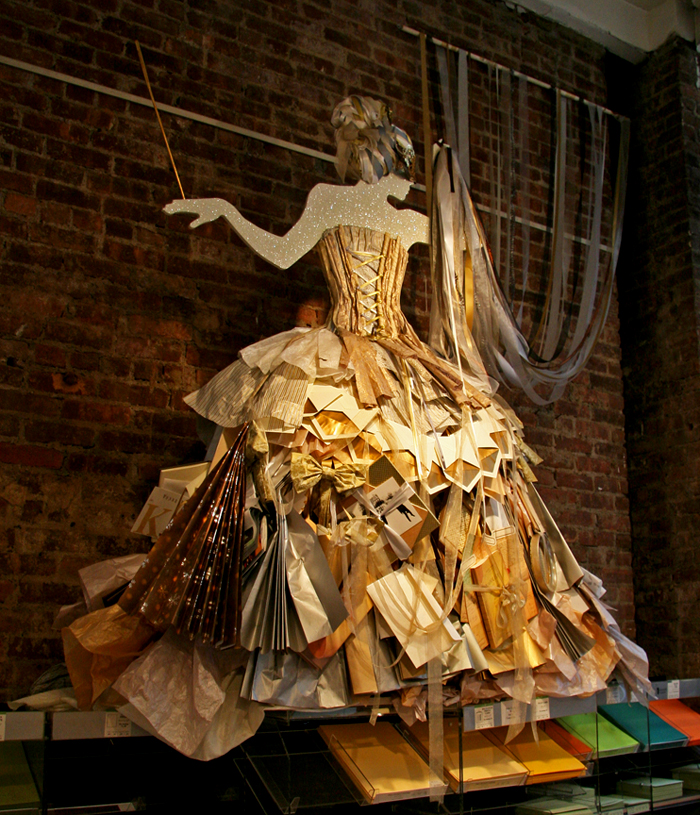
    Kate’s Paperie is one of these. The product line is such that virtually any shopper can find something of use or interest. And the nature of many of their products to be gift-oriented makes this place a perennial favorite. Kate’s Paperie was founded in 1988 by Joe Barriero and Leonard Flax – the shop was named after Flax’s wife. Leonard Flax is also the founder of Sam Flax, Inc., a leading art supply retail chain. Kate’s first location was at 8 West 13th Street near Parsons School of Design. They now have 4 Manhattan locations, as well as one in Greenwich, Connecticut. Kate’s carries thousands of papers from 40 countries and offers a vast collection of more than 1,500 couture-quality ribbons from around the world. See their website here. This is one of those places that you cannot find elsewhere – a true New York City landmark, known to any seasoned city dweller.

    The whole unique feel of the place is what really sets it apart. They are known for their beautiful, creative store displays, like the woman made from paper in today’s photo taken at their 72 Spring Street store. See another interior photo with their current store display here. If you have not been to the shop, I recommend a visit to Kate’s. It’s a shrine to paper…


  • Heart Warming

    I remember one occasion where former Mayor Rudy Giuliani was chastising the press for asking questions he considered inappropriate at the time and focusing on the negative. Now although Giuliani was not seen as the poster child for warmth and tenderness, his point was well taken. The media and consumers of media are fueled more by the negative than the positive. Violence, infidelity, crime, tragedy, war, and crisis all certainly draw more attention than tales of goodness. Unless they are supreme acts of philanthropy in the league of Mother Teresa, some element of drama or sensationalism is needed to pique the interest of readers and viewers. Otherwise the story will be lost in the slush pile. People want to hear tales like that of former Governor Eliot Spitzer caught with a prostitute, not about a man who helps a disabled person across the street. Competition for people’s attention is fierce, and even extreme occurrences can become tiresome for many.

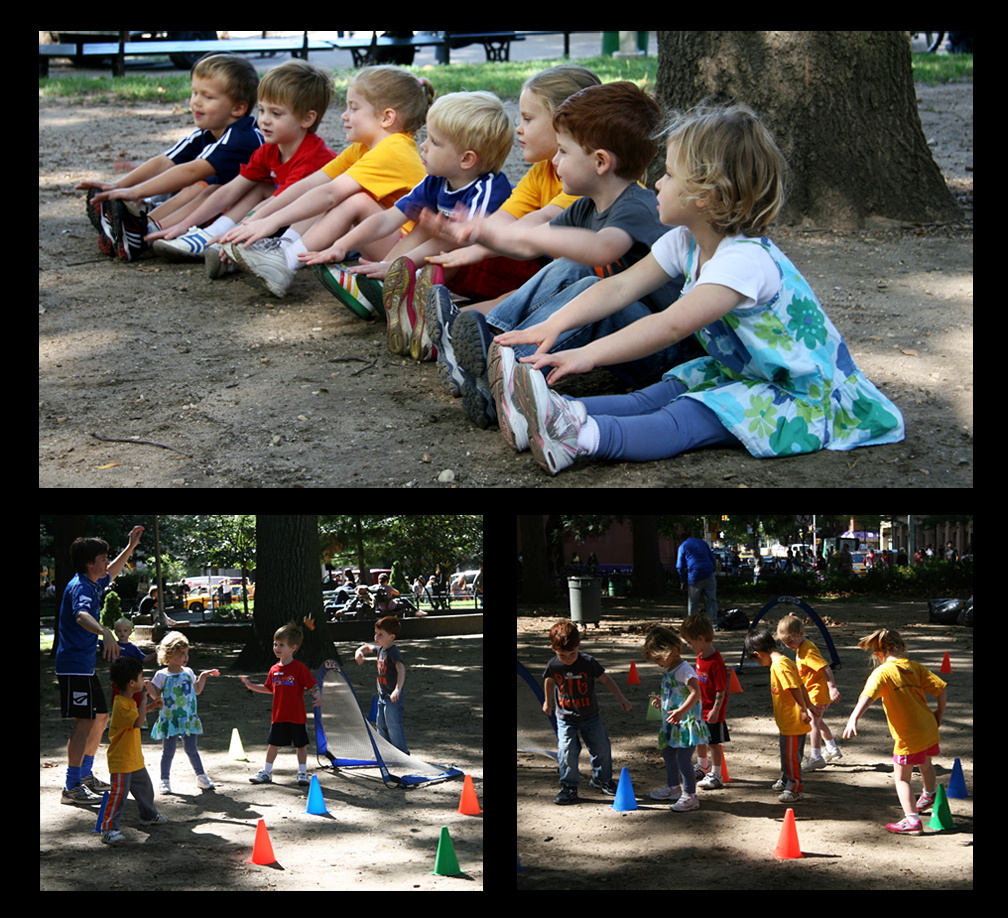
    Children do not immediately come to mind when thinking about New York City, particularly for the visitor or resident without children. But they are part of the fabric of the city along with their parents, all doing what parents, children, and families do, reconfigured for city life. Although soccer is big with kids in America, I was still surprised to see a group in training one morning in Washington Square Park. This group was part of a program called Super Soccerstars, “founded in the year 2000 by Gustavo Szulansky, a New York City father of three and native of Argentina. With futbol in his blood and having spent countless dollars searching for quality programs for his own children, he founded the program determined to build the best children’s program anywhere.” You can read more about them here at their website.

    The humanity of seeing children at play is a heartwarming experience – even more so in New York when it is so often unexpected. As I wrote about in Mary Celeste, schools and playgrounds pop up in the most inhospitable places, surrounded by the maelstrom of a frenetic city.

    But children will do what children do, city or not, having adapted to the environment. And one thing they will do, if you stop and let them, is warm your heart and soul…

    Related Posting: Little Burnt Out


  • Safety in Numbers

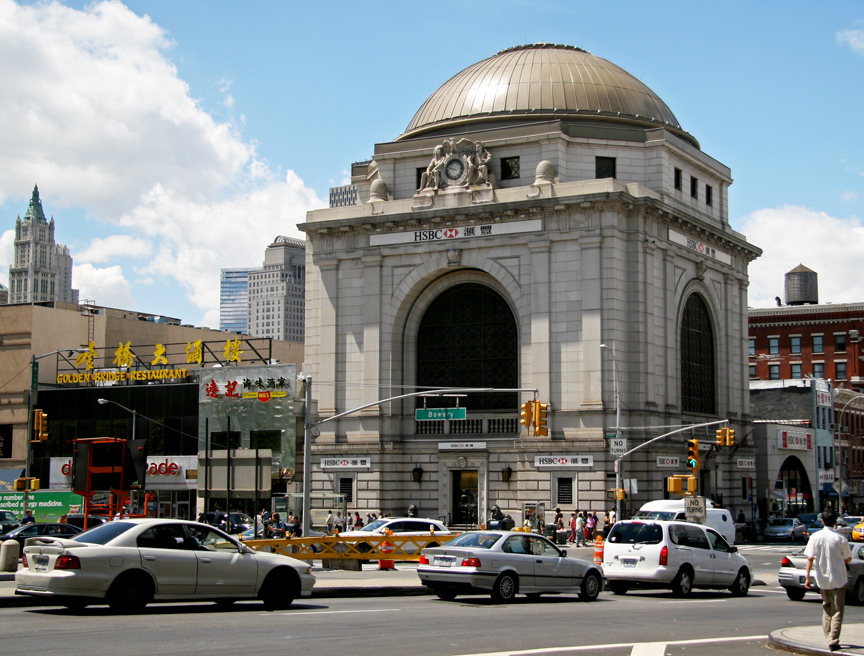
    There are 21,000 safe deposit boxes in this bank. Why so many? It’s in the heart of Chinatown, and the Chinese are savers – savers of cash. This bank, like others in the neighborhood (Commerce Bank, Bowery Savings, e.g.) all have had to accommodate the Chinese community’s tradition and customs, where boxes are used for storage of cash and other valuables. There is a large cash economy in Chinatown.

    The use of safe deposit boxes is an accommodation that requires space and building considerations. When the Chinatown branch of Commerce Bank was built (it opened in 2005), an entire floor was added for safe deposit boxes – 7,500, as opposed to 500, which would be typical in a Commerce Bank elsewhere. And the HSBC Bank at 11 East Broadway has 12,000 boxes.

    This landmark neo-Byzantine building at 58 Bowery was built in 1924 and designed by architect Clarence W. Brazer. Graced with an enormous bronze dome, this building is still very easily missed amid the hubbub that is Chinatown. And architecture does not particularly shine in this neighborhood and is typically the last thing an individual looks for when here. The best viewing is from some distance – see it from a vantage point across the Bowery towards the Manhattan Bridge.

    Many Chinese who bank in Chinatown no longer live there but continue to bank and use safe deposit boxes in the neighborhood. Familiarity, frequent visits for shopping, visiting relatives. Amid a banking crisis, old traditions of cash in mattresses and boxes are starting to look like a smart idea. Maybe there is safety in numbers…


  • A Colorful Life

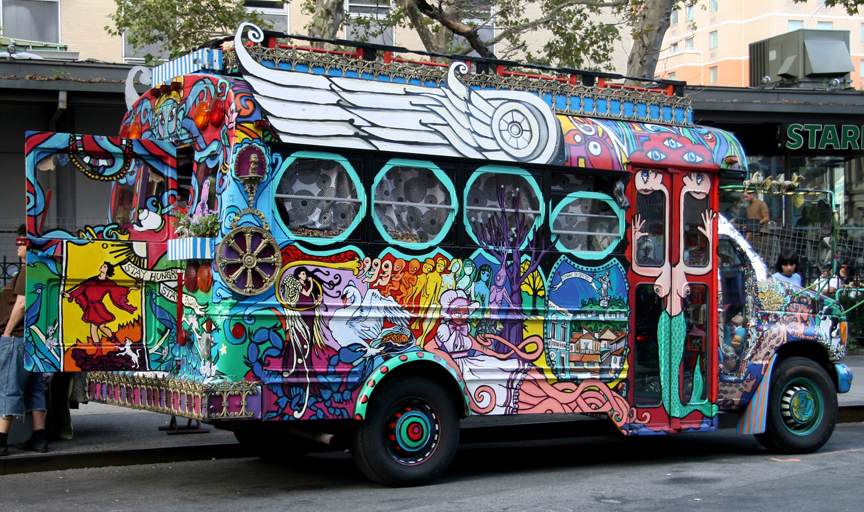
    Many people’s adult bios can be easily summarized mathematically. Got up, got ready for work, went to work, came home, ate, puttered around the house, went to sleep – times 365 days, times x years. Others pack their lives with so much adventure that a condensed version of their 10-year bio can read 10 pages long. That’s the math as applied to Kat O’Sullivan, self-proclaimed gypsy and itinerant global nomad.

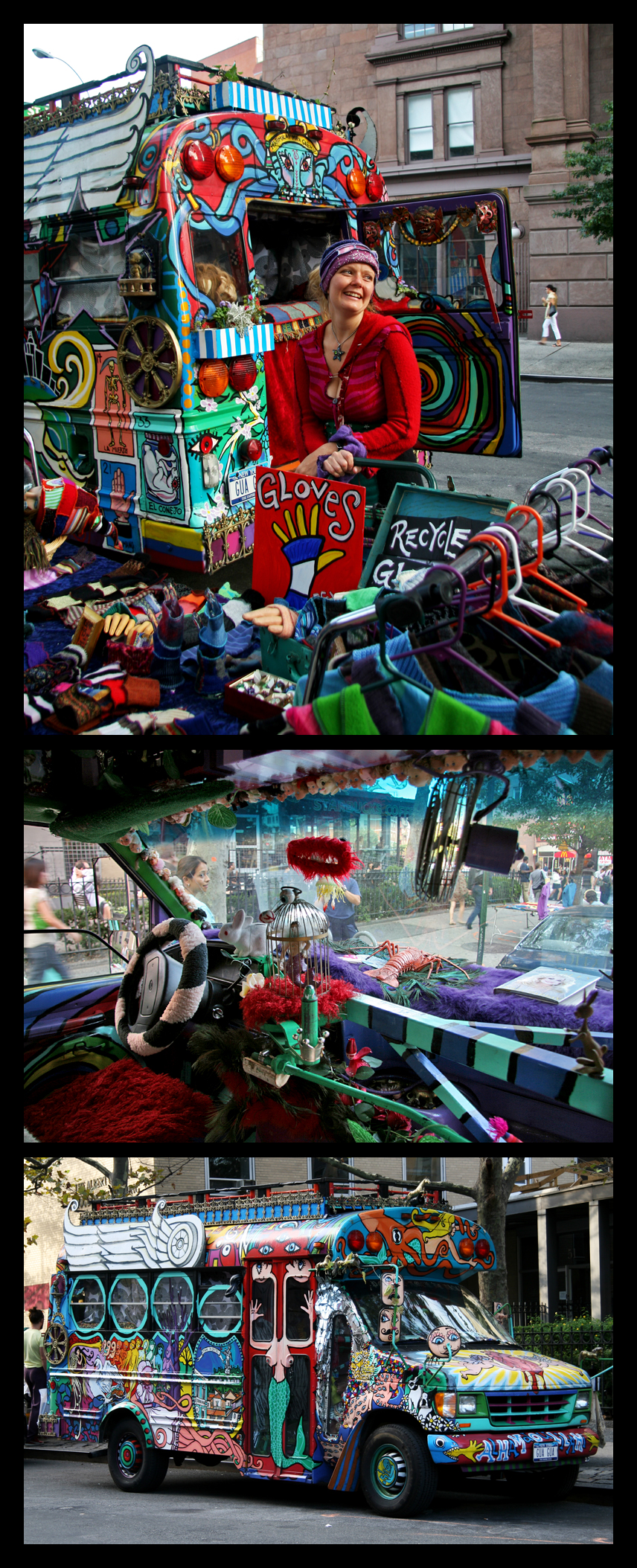
    I have passed by both this art bus and the street vendor with her table of recycled clothing numerous times. I never knew that there was a connection between them. So for the first time, I made the acquaintance of Kat O’Sullivan, who graciously greeted me when seeing my interest in photographing her vehicle. She invited me to go inside her bus. You can also see her recycled clothing , details of her life, art projects, and media articles at her website, Katwise.com.

    Here are some of the highlights of her nomadic life: born in 1976, finished high school in two years, attended over 200 Grateful Dead concerts, lived with a hill tribe in Thailand, worked for Mother Teresa, lived in a bus which she painted with psychedelic colors, graduated Phi Beta Kappa from UC Santa Cruz (anthropology), had a pet monkey, worked in the Hamptons as a yachty, attended Burning Man (no surprise there), worked as a translator in the Chilean jungle, crossed the Sahara desert, sold Christmas trees in Harlem, worked with street children in the Philippines and at an orphanage in the Guatemalan jungle, hitchhiked from Ecuador to New York. She also avers, “I have never used any drugs, never got arrested, never borrowed money or went into debt, never even got a stupid tattoo (or any tattoo, for that matter.) I was a straight-A student all through High School and College. Every step of the way I had the blessings and support of a gorgeous, loving family.”

    A colorful life, wouldn’t you say?


  • Being Trumps Doing

    One of the best things about this city is the plethora of extraordinary and unusual people and things. I have spoken to a homeless person who graduated from Columbia University. Street musicians who go to Julliard. Physics professors. The editor of the Paris Review. And many who are not renowned in any way but who are absolutely brilliant in either a mainstream interest or some obscure niche.

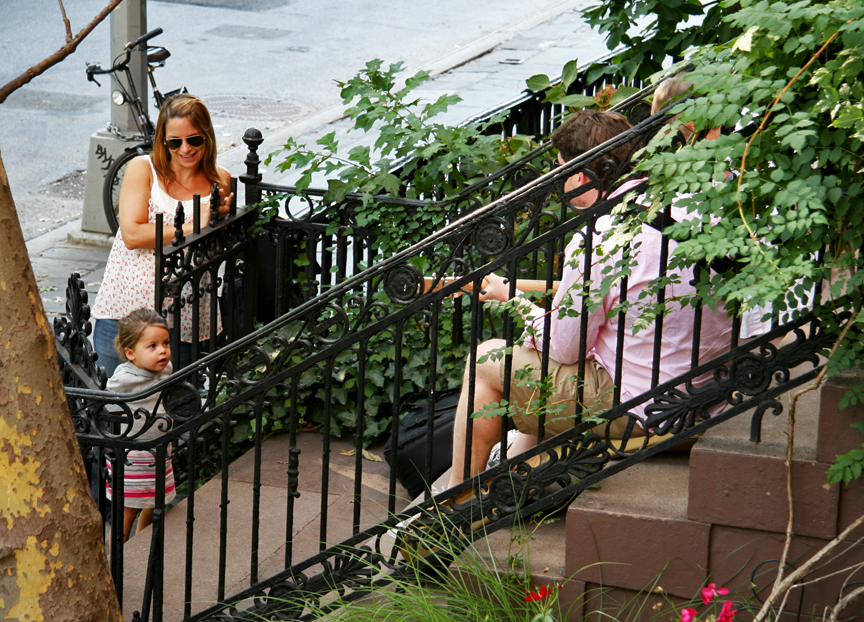
    Those of you who read this blog regularly know that I am in the throws of a renovation in my NYC apartment. It is frustrating to spend beautiful days indoors hammering and painting, particularly on a Sunday with blue skies and warm air in late September. In sampling the air with my head out my window before leaving my home, I noticed two guitarists playing on the stoop of my building, not a typical occurrence at all.

    When I exited my home, already late afternoon, my intention was to go do my doings. However, after a polite interchange of hellos, it occurred to me that I had no real doings to do apart from going out to enjoy the day. Perhaps I should spend a moment and see what these two guitarists had to offer. As it turned out, they played some of the best original music I have heard. They were quite accommodating, with Eric improvising a tune for a 2 1/2 year old girl. I learned that they both play publicly. We exchanged emails, and I learned that Ian Gittler and Eric Silverman will be playing back to back on October 4th at the Ace of Clubs on Great Jones Street.

    In the act of going to do, one can easily overlook things much more interesting at hand. I frequently observe people in this city rushing by a major happening with great fervor and intention, perhaps part of an agenda.

    It behooves anyone in this city, resident or not, to really slow down and observe, as difficult as that may be in a fast-moving world and a faster city. Never make assumptions based on appearances or be afraid to engage in conversations. I have so frequently missed remarkable people and things, right under my nose, only to be told later by a friend. Don’t miss the extraordinary, rush to the ordinary, or let doing trump being


  • Stamp of Approval

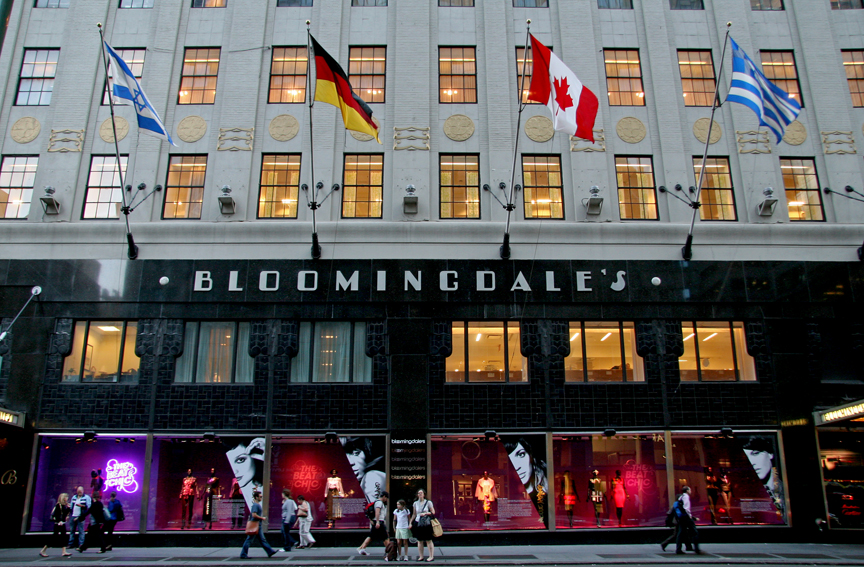
    When I moved to New York City, there were certain icons that absolutely defined the city for me, and one of those was Bloomingdale’s. This has always been the sine qua non of Manhattan for me and always will be. NYC symbolized many things, but the primary reason for moving here was for a University education and to get ahead. And part of getting ahead was having money. To shop at Bloomingdale’s meant you had money and that you had made it.

    There were other stores, of course, that had the ring of money – Saks, Bergdorf, Tiffany, Cartier, Altman, and Gucci, and I saw them all. But Bloomingdale’s was also big – like Macy’s, it occupied an entire city block. And for a young man looking for American symbols of success, BIG was better. I had my own visualization of Manhattan – like Saul Steinberg’s View of the World from 9th Avenue, my vision of view New York City had its own iconography, with Macy’s and Bloomingdale’s as Westside and Eastside anchors.

    How obsessed was I with this place? Well, for one, when establishing my business in the 1970s, I wanted my company logo to be in the very same typeface that Bloomingdale’s used. My best friend, who was a graphic artist, did some close examination and determined that the font Horatio Light appeared to be an identical match. Go here to see their logo. Now go here to see mine. See the resemblance? I remember when my logo was completed – I had a business in New York City and a French name in the same typeface as Bloomingdale’s. I certainly must have made it, and my announcement was plain for all to see.

    I recall persuading my sister on one of her first visits here to get underwear with “bloomies” printed across the back. Now my sister also had the stamp of approval…

    About Bloomingdale’s: Ironically, with all this fascination with Bloomingdale’s, I never read their history until this morning. The business was established in 1860 by brothers Joseph and Lyman G. Bloomingdale selling hoop skirts. The move to their current location at 59th Street and Lexington Avenue came in 1886. Marketing acumen catapulted the store to international fame, with visitors such as Queen Elizabeth. Cutting-edge fashion of designers like Ralph Lauren, Perry Ellis, and Norma Kamali got their first truly big opportunities at Bloomingdale’s. Read the history here at their website or here.


  • Trucks and Things

    We would prefer to believe that the stuff in our lives is magically transported to store shelves. Or perhaps a more romantic vision would be delivery via a Santa-like character directly to our homes. But the reality is that every consumer good, whether it be food, clothing, or lumber, makes all or some of its journey to us by truck. Yet this fact seems to be ignored or, at best, seen as a necessary evil. The vital role trucking provides still has done nothing to enamor them. They are seen as a blight, cursed on highways and city streets as noisy, dirty, the cause of congestion, and an impediment to our travel. Drivers are seen as an integral part of these evil boxes on wheels, so the image of the truck driver is no better.

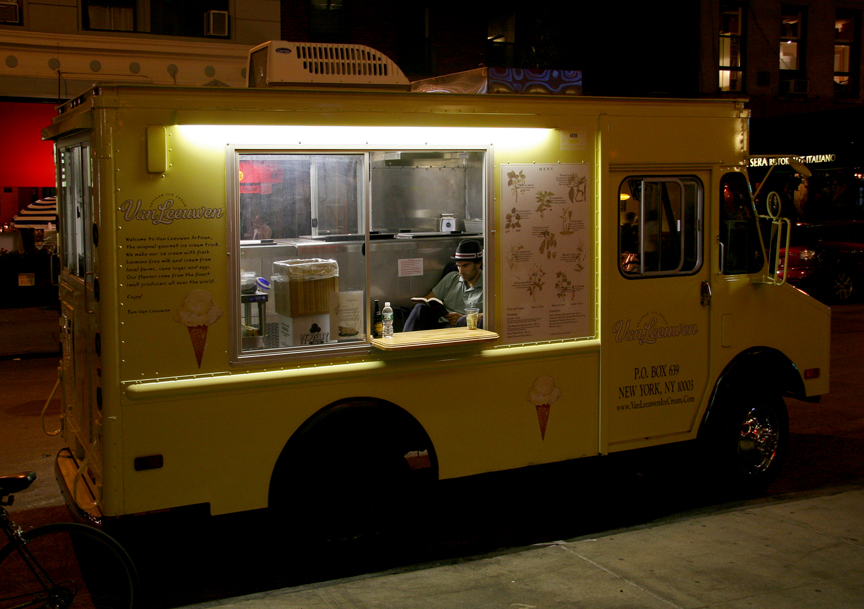
    How to repair the image of the truck? Convert it into a dessert or ice cream delivery vehicle. We now have the Dessert Truck, the Treat Truck, Wafels and Dinges, and Van Leeuwen Ice Cream running around town.

    I love the convenience of street food vendors. The problem is that there are few quality operations out there; I keep a sharp eye out for them, but the good ones are scarce as hen’s teeth and are no secret. Discovery is rapid, and long lines become the rule. I wrote of NY Dosas in 2007. Lines at his food cart can be enormous. The same applies to Calexico in SoHo. And Speedy Gonzalez has disappeared.

    Now we have trucks bringing us confections. I recently wrote of the Dessert Truck, run by a gourmet chef whose vision was to bring desserts to the streets which are of the quality found in the finest French restaurants. And he has succeeded.

    Brothers Pete and Ben Van Leeuwen now bring Van Leeuwen Artisan Ice Cream to the streets of the Village, SoHo, and the Upper West Side in redesigned ice cream trucks. They meticulously craft their ice cream, sourcing ingredients from around the planet to produce their 10 flavors. Pistachio nuts from Mt. Etna, Michel Cluizel chocolate from France, and vanilla beans from Tahitian vanilla orchids grown in Papua New Guinea. Everything about this business shows attention to details – business cards, colors, graphics, and product. They also share an environmental commitment and use disposable goods from renewable sources.

    Now, what was it I didn’t like about trucks? 🙂


  • dinamic_sidebar 4 none

©2026 New York Daily Photo Entries (RSS) and Comments (RSS)  Raindrops Theme